
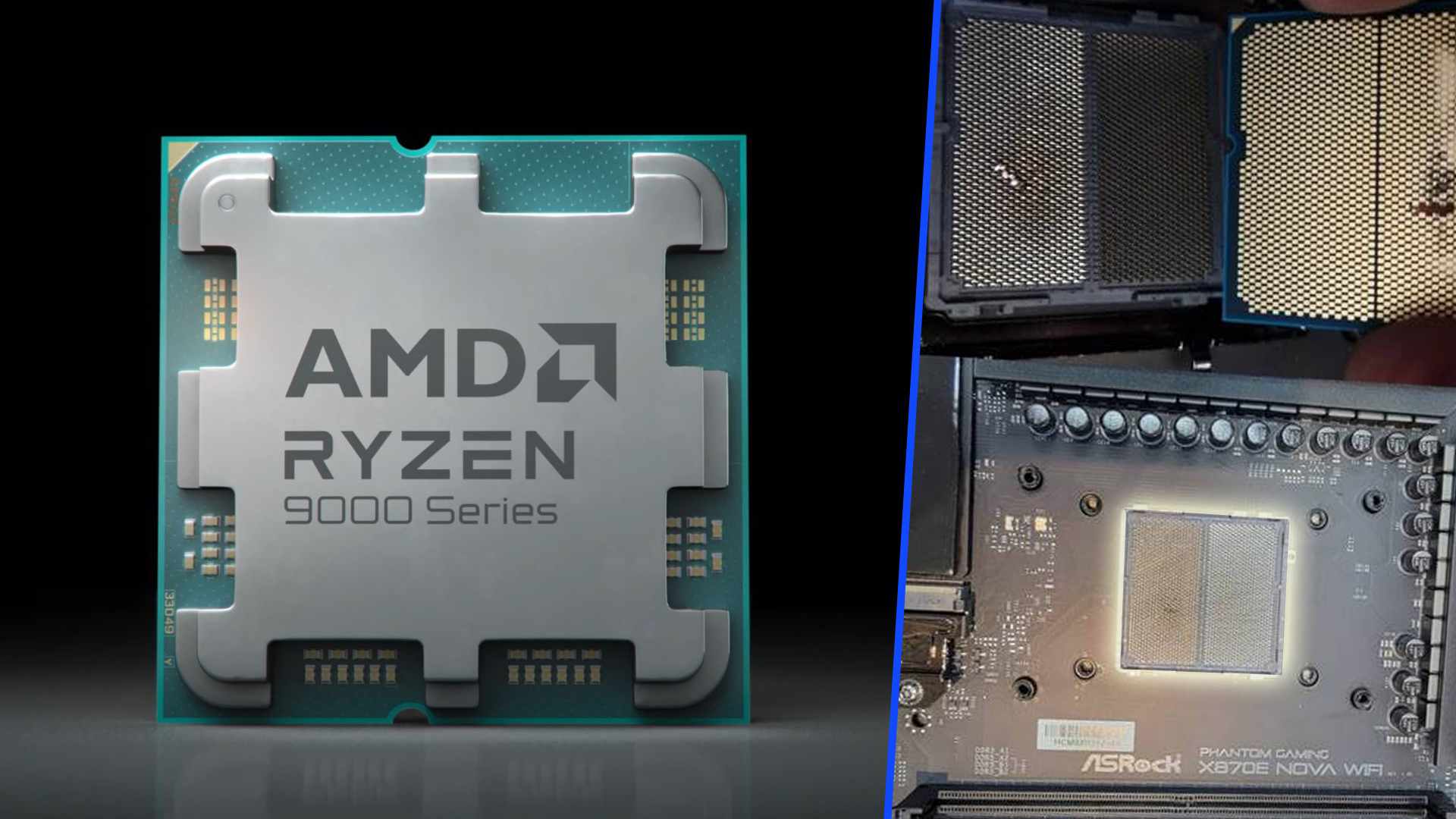
ASRock is once again in the spotlight due to a hardware incident that should make any AM5 user uneasy. A Reddit user reported that the ASRock B850M Pro RS WiFi motherboard has killed three consecutive Ryzen 7 9800X3D CPUs within just a few months, despite the system receiving regular BIOS updates. These three failures did not occur on the same old firmware version but spanned from BIOS 3.50 to 4.07 beta, including patches intended to fix errors. For those using ASRock 800-series, this is a signal to check your motherboard, BIOS, and warranty plans immediately.
What do three consecutive 9800X3D CPU deaths on the same motherboard signify?
According to a post summarized by Wccftech, user u/notmember built their rig in January 2025, but the first CPU did not fail until November 2025, with both the CPU and DRAM debug lights staying lit. After an RMA through AMD, the second CPU failed just two months later, and the third CPU died even faster, with a solid green BOOT light and no display. This case brings to mind previous reports regarding Ryzen 7 9800X3D issues on high-end desktop systems, but the severity here is greater because a single ASRock B850M Pro RS WiFi has gone through three RMA cycles. When a high-priced 9800X3D CPU dies three times on the same board, the possibility that the fault lies with the motherboard or its voltage regulation is a much larger question mark than the chip itself.
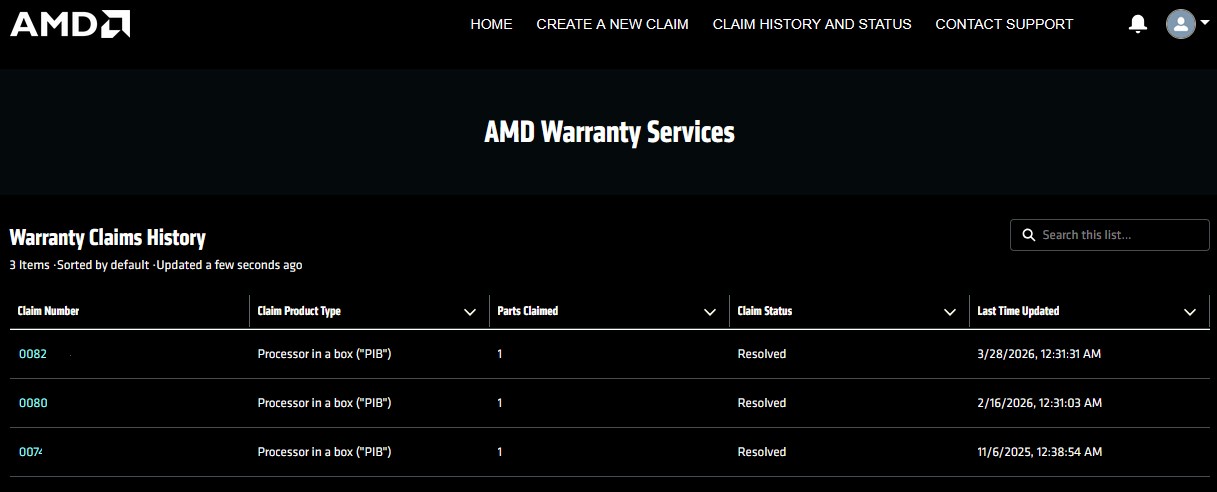
What makes this incident hard to ignore is that all three failures occurred on three different BIOS versions. The first CPU died on BIOS 3.50, the second on 4.03, and the third on 4.07 beta-a version that includes AGESA 1.3.0.0a and was expected by the community to reduce risks for the 9800X3D. If a motherboard can still damage a CPU after so many update cycles, the safest advice right now is to avoid simply replacing the chip and plugging it back into the same old board. For ASRock 800-series users, the question is no longer about waiting for a miracle patch, but evaluating whether the motherboard is still reliable after the first failure.
What should ASRock 800-series users do to reduce risk?
The biggest lesson from this case is that if a CPU has already died once on an ASRock 800-series motherboard, replacing the motherboard might be more sensible than continuing to gamble on the next RMA. In reality, this is not the first time the AM5 community has discussed BIOS issues and voltage stability on the new platform, similar to how articles about AM5 often emphasize the role of AGESA and firmware in real-world stability. Since the 9800X3D is highly sensitive to voltage and heat, even a minor discrepancy in power delivery or memory training can turn a boot error into actual hardware damage. Therefore, anyone using ASRock B850, X870, or other 800-series models should check their BIOS history, monitor motherboard debug lights, and prioritize backing up configurations before updating.
At the time of the original report on March 30, 2026, the most frequent recommendation was to update to BIOS 4.10 to mitigate risks, though no one has dared to call it a definitive fix. Users should also keep an eye on updates from AMD Ryzen 7 9800X3D and official support channels to act quickly if abnormal CPU, DRAM, or BOOT lights appear. In short, if your ASRock system has already killed a 9800X3D CPU, do not assume a chip replacement solves the problem, as u/notmember's case shows that the failure cycle can get even shorter.
Source: WCCFtech