
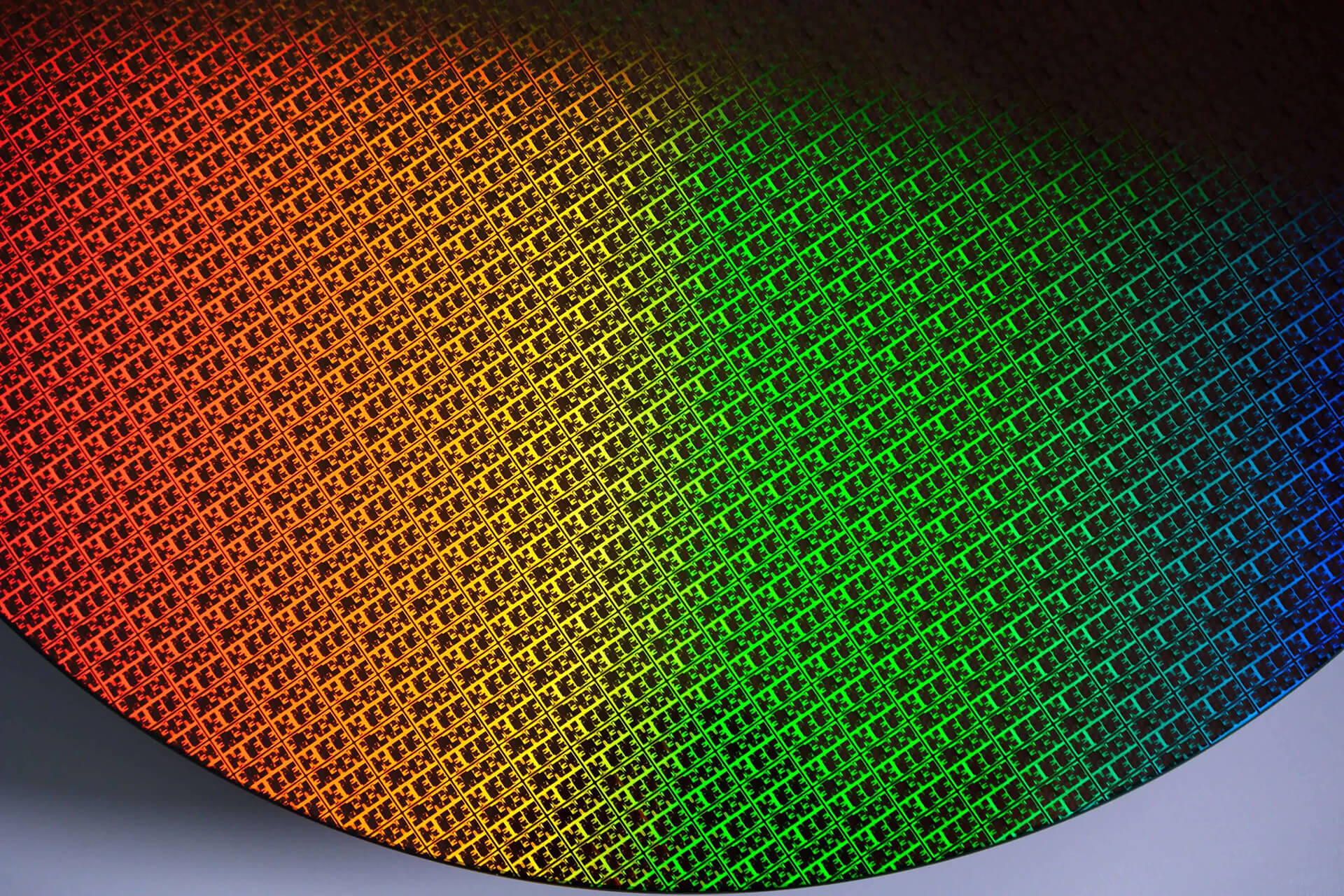
Intel is aggressively developing its 18A chip technology with the expectation of reclaiming its competitive position against major rivals like TSMC and Samsung. The company has confirmed that this manufacturing process is complete and is currently in the design finalization stage (tape-out), expected to be finished in the first half of 2025. This is a crucial step to help Intel compete with TSMC's 2nm process, which is expected to launch in 2026.
18A Chip - More Powerful, More Energy-Efficient Chip Technology
18A technology (equivalent to 1.8nm) brings many notable improvements. Compared to Intel 3 technology, this process increases chip density by 30% and improves performance per watt by 15%. Thanks to these advantages, Intel will apply 18A to Panther Lake processors for laptops and Clearwater Forest CPUs for servers, expected to launch late this year.
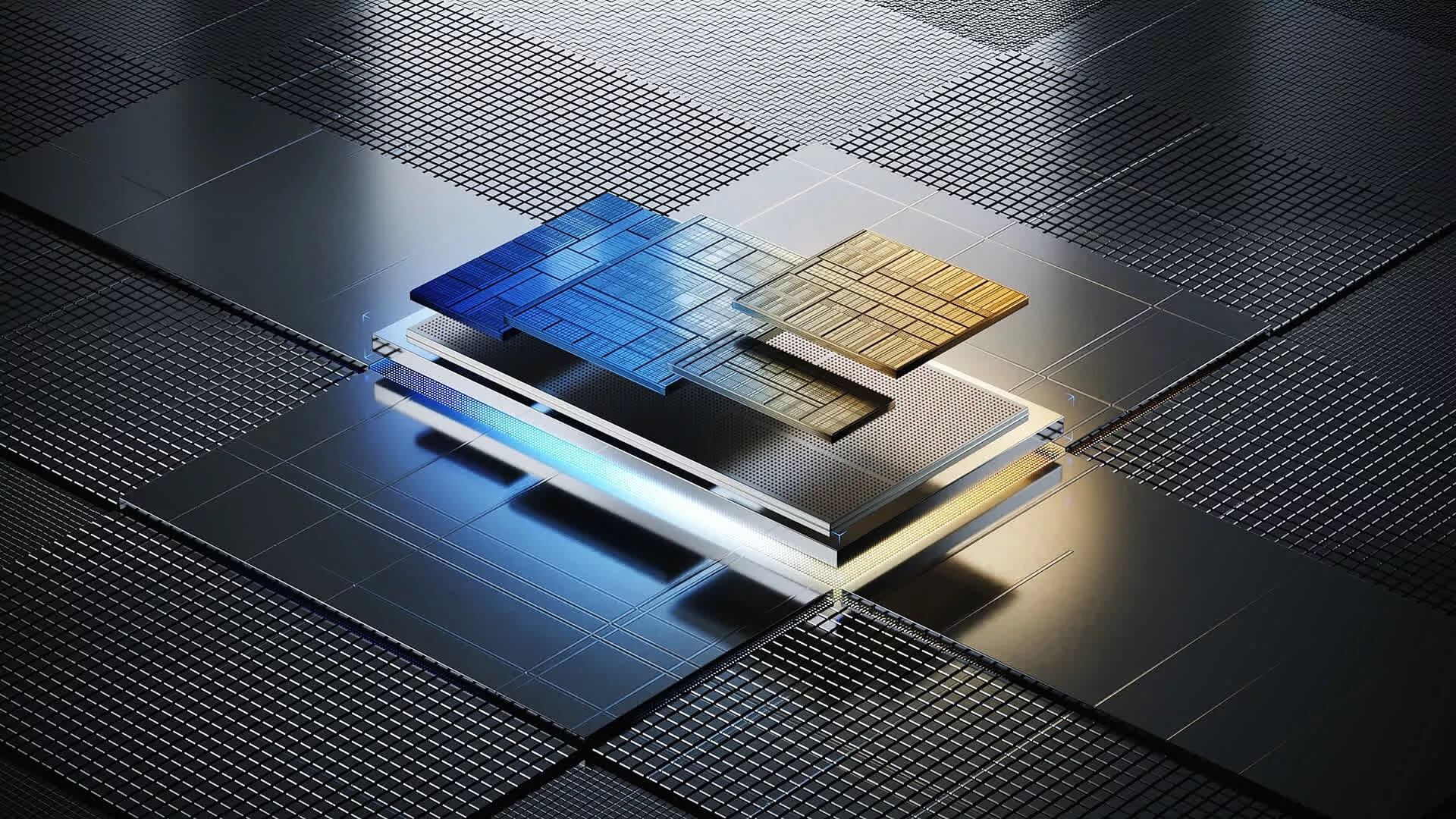
PowerVia Technology - Making Chips Operate More Efficiently
One of the most notable improvements of 18A is PowerVia technology, which enables power delivery from the back of the chip instead of the top as is traditional. This allows for better current distribution, increasing operating efficiency by 4% and optimizing space within the chip, helping internal components operate more effectively.
RibbonFET - Energy-Optimized Transistor Design
Another significant advancement of 18A is RibbonFET technology - an advanced type of transistor that helps control current better and reduces energy loss. This is an improved version of traditional transistor technology, helping processors operate more stably and save significant power.
TSMC is also developing similar technology in its N2 2nm process. However, TSMC's mass production is expected to only begin in late 2025, and products using this technology may not appear on the market until mid-2026.
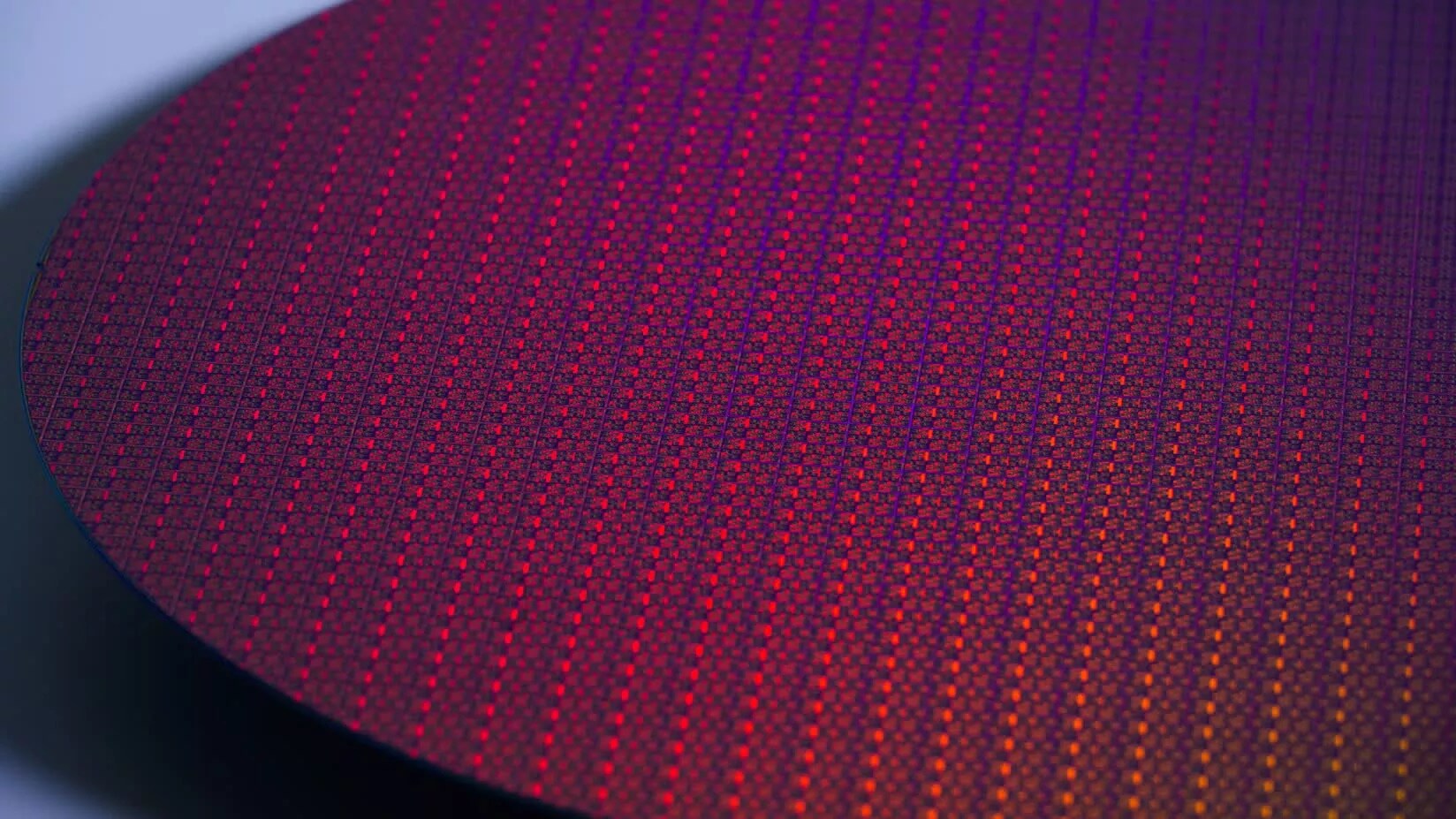
According to some reports, Intel's 18A may outperform TSMC's N2 process in terms of performance, while TSMC holds an advantage in transistor density. This could help Intel attract more customers in the near future.
The Success of 18A Chip - An Opportunity for Intel to Reclaim Its Position
If 18A technology is successful, Intel will have a major opportunity to regain its market share and position after years of being overtaken by competitors. However, the company's current financial situation remains difficult. In 2024, Intel reported a loss of $13 billion, while TSMC achieved profits of up to $41 billion.
In the face of these challenges, many experts believe Intel may collaborate with or seek support from TSMC to overcome this difficult period. This is also a critical issue as the US seeks to promote domestic chip production to ensure strategic technology supplies.
With 18A technology, Intel is making a big bet on its future. If successful, this will be a significant step forward that helps Intel not only compete fairly with TSMC and Samsung but also create more powerful, more energy-efficient products for the global technology market.