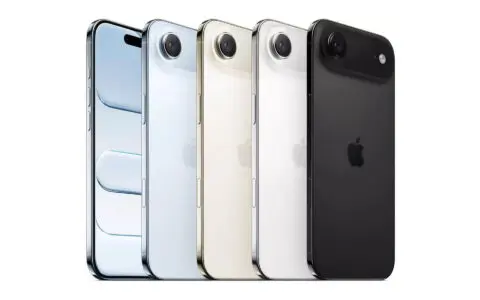
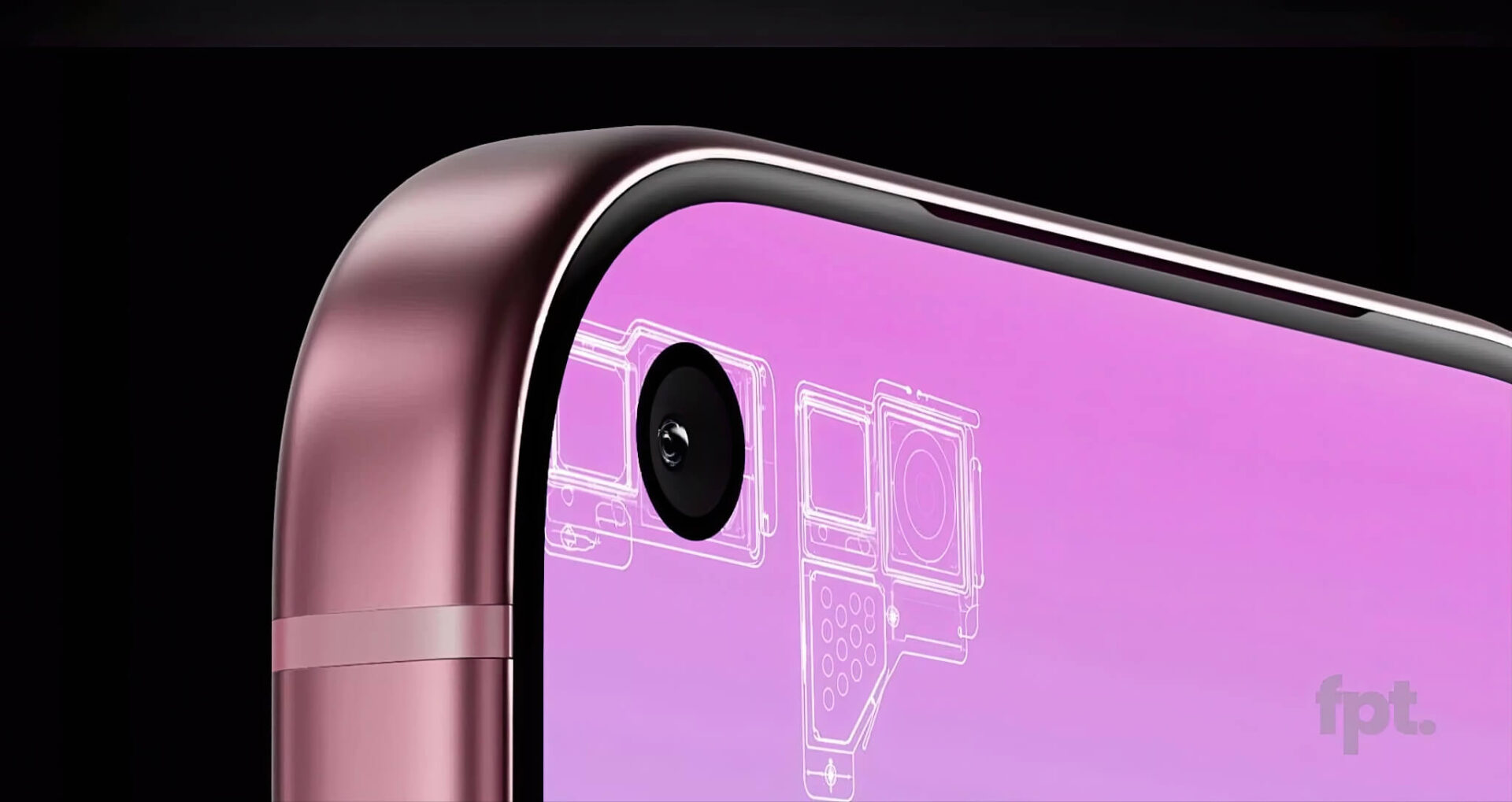
The upcoming iPhone 18 Pro from Apple could bring one of the most significant visual and technical changes to the iPhone lineup in years. According to the latest leaks from the tech world, the American tech giant is planning to move core display components, including the selfie camera and parts of the Face ID system, out of the familiar Dynamic Island and into the top left corner of the screen. If it turns out to be true, the design would mark the first time Apple has abandoned the symmetrical display layout that has long defined its products.
A Controversial Display Design and Hidden Face ID Technology
According to Jon Prosser of Front Page Tech, this bold change will arrive alongside a redesigned under-display Face ID system. The new technology would let the iPhone 18 Pro hide complex sensor components, such as the infrared projector, right beneath the front glass, where they would be hard to spot with the naked eye. It is a big step toward the kind of usable display area that users have wanted for a long time.

We all know the original Dynamic Island, first introduced on the iPhone 14 Pro, cleverly folded hardware sensors into a flexible software interface that can expand to show system alerts, timers, and background activities. Moving that cluster to the corner of the screen, however, would pose an entirely new challenge for Apple's user interface designers. They would have to find a way to carry the same kind of smart interactivity over to a less central position, which is no easy task.
The rumored top left camera placement has immediately sparked lively debate in the tech community, since it recalls older Android phone designs, such as the Google Pixel 5 released in 2020, which used a similar position. Other reports, meanwhile, suggest there may be some confusion about the specifics. What Prosser describes as a shift to the left could simply reflect one Face ID component being moved under the display, while the main selfie camera stays in the center. Until Apple officially confirms the design, any interpretation of the prototype information remains speculation.

iPhone 18 Pro Brings Pro-Level Camera Upgrades and a Shifted Launch Schedule
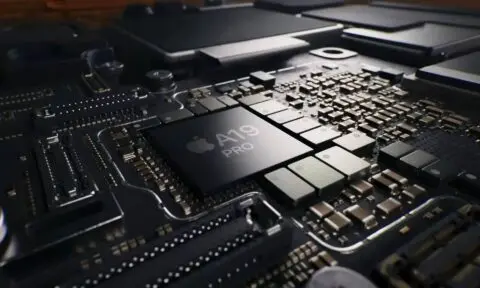
On the inside, the iPhone 18 Pro is expected to be powered by Apple's latest A20 Pro chip. Reports also indicate that the device could drop Qualcomm's modem entirely in favor of the C2 modem, which Apple developed in-house. This strategic shift would give Apple full control over cellular performance and allow tight integration with next-generation 5G networks as well as satellite connectivity. The feature mentioned in the leaks is "5G over satellite," similar to the new features recently introduced on the Apple Watch Ultra 3.
The photography hardware, however, may be where the most significant upgrades land. The main camera is rumored to feature a variable aperture lens. This mechanism uses mechanical blades to adjust how wide or narrow the lens opening is, controlling how much light reaches the sensor and allowing finer adjustment of exposure and depth of field. The system adds a level of sophistication usually found only on professional DSLR or mirrorless cameras. Samsung previously experimented with variable aperture lenses on the Galaxy S9 and S10 but ultimately abandoned the idea. It is still unclear whether Apple will bring the technology to all Pro models or reserve it for the larger iPhone 18 Pro Max.
https://www.youtube.com/watch?v=mN2Td45Ln5M
Other tweaks could make the device more streamlined. Prosser reports that Apple is simplifying the Camera Control button introduced on recent models. Instead of combining capacitive touch and force input, the new design may rely entirely on force input. Although this change would remove some of the swipe gestures, it could offer more tactile and reliable control for both still photography and video recording.
Visually, Apple is said to be testing new color finishes, including deep burgundy, light brown, and muted purple, continuing its tradition of gradually updating colors for the Pro models. Notably, no standard iPhone 18 is expected to launch this fall. Sources say Apple will delay that version, along with any successor to the iPhone Air, until 2027 because sales of the first-generation iPhone Air came in below expectations.
Apple typically locks in hardware designs months before the September launch, which makes the current leaks an early look at a device that is still being finalized. It is worth noting that Jon Prosser has been right and wrong in the past, for example with his inaccurate report on a flat-edged Apple Watch design in 2021. Still, his track record means each new leak continues to fuel the lively speculation surrounding every iPhone launch.