
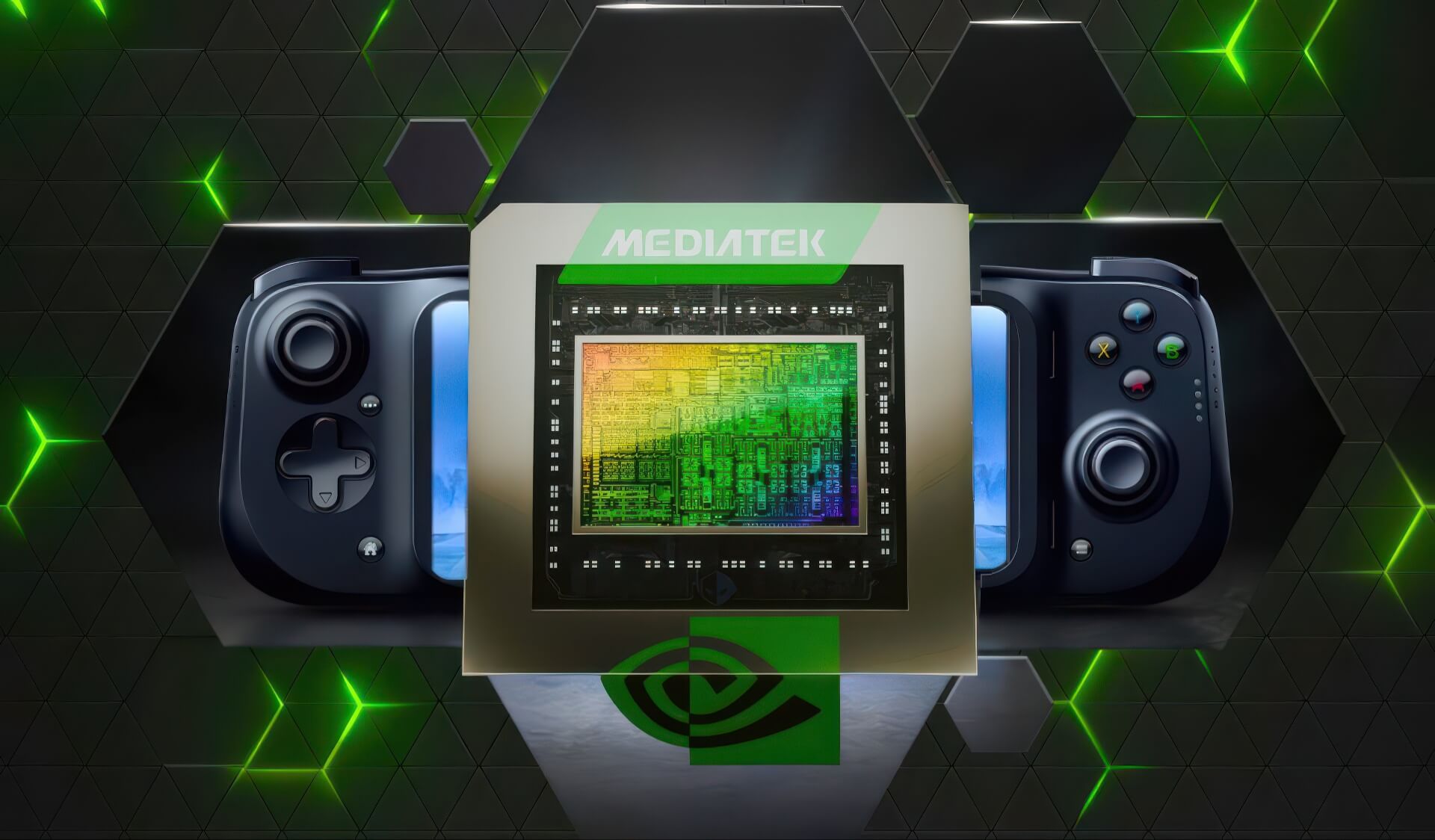
APU from NVIDIA and MediaTek is becoming a major point of interest in the tech world, with expectations that it could redefine today’s gaming laptop market. The two industry heavyweights are working together on an APU designed specifically for gaming laptops, a move that not only opens a new era for AI PCs but also directly challenges the position of Intel and AMD, which currently dominate this segment. According to leaked sources, the first product will appear in the Dell Alienware lineup in Q4/2025 or early 2026, with an impressive power envelope ranging from 80W to 120W.
NVIDIA x MediaTek APU: A strategic turning point for gaming laptops
APU combines the CPU and GPU on a single processor, bringing a range of performance and design benefits to gaming laptops. For this project, NVIDIA will handle the powerful Blackwell GPU architecture, while MediaTek will take charge of the CPU portion based on a modern ARM platform. This approach not only makes the most of both companies’ strengths, but also promises a new AI PC solution aligned with the broader shift toward integrating artificial intelligence into mobile devices and laptops.
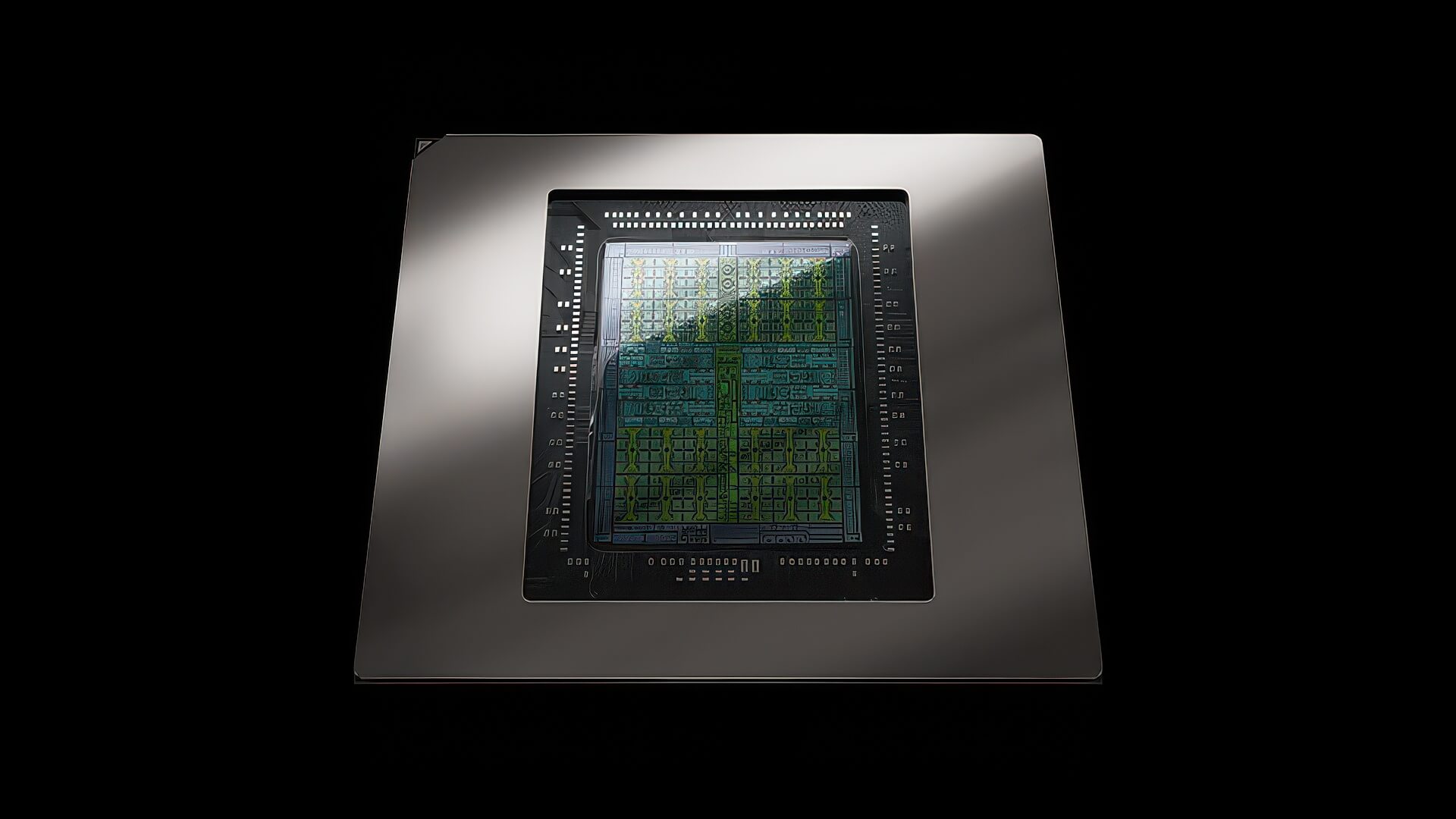
The tight integration of CPU and GPU in an APU significantly reduces processing latency and optimizes high-bandwidth memory sharing. That means gaming laptops could become thinner and lighter, require fewer cooling fans, and still deliver the expected AAA gaming performance. In addition, with only a single thermal zone to manage, manufacturers such as Dell Alienware could develop laptops with better battery life without sacrificing processing power.
Going up against rivals: What does NVIDIA’s APU have to compete with AMD and Intel?
At the moment, the mobile APU market is largely controlled by AMD and Intel, with products such as AMD’s Strix Halo (integrating 16 Zen 5 cores and 40 RDNA 3.5 GPU compute units, with power consumption of up to 120W). However, the APU from NVIDIA x MediaTek has advantages in GPU optimization expertise, AI processing capabilities, and the flexibility of ARM architecture, which is known for strong performance per watt. Choosing Dell Alienware as the first exclusive partner points to a carefully structured go-to-market strategy: real-world validation with premium gaming customers before expanding to other OEM partners.
If this new APU reaches its full potential, the traditional separation of CPU and GPU in gaming laptops may gradually give way to integrated solutions. This would not only optimize performance, but also promise a powerful AI PC experience capable of competing with rivals such as Apple silicon or Snapdragon, both of which are focused on balancing performance with energy efficiency.
In short: The arrival of an APU developed by NVIDIA and MediaTek, with initial exclusivity on Dell Alienware, is opening the door to a major shift in the gaming laptop and AI PC markets. Integrating the CPU and GPU on a single chip will help optimize design, improve performance, and deliver a high-end gaming experience on thin, light, power-efficient laptops. While many questions remain about real-world performance, this is clearly a bold and promising move, one that could make the gaming laptop market more competitive than ever as it heads into 2026.