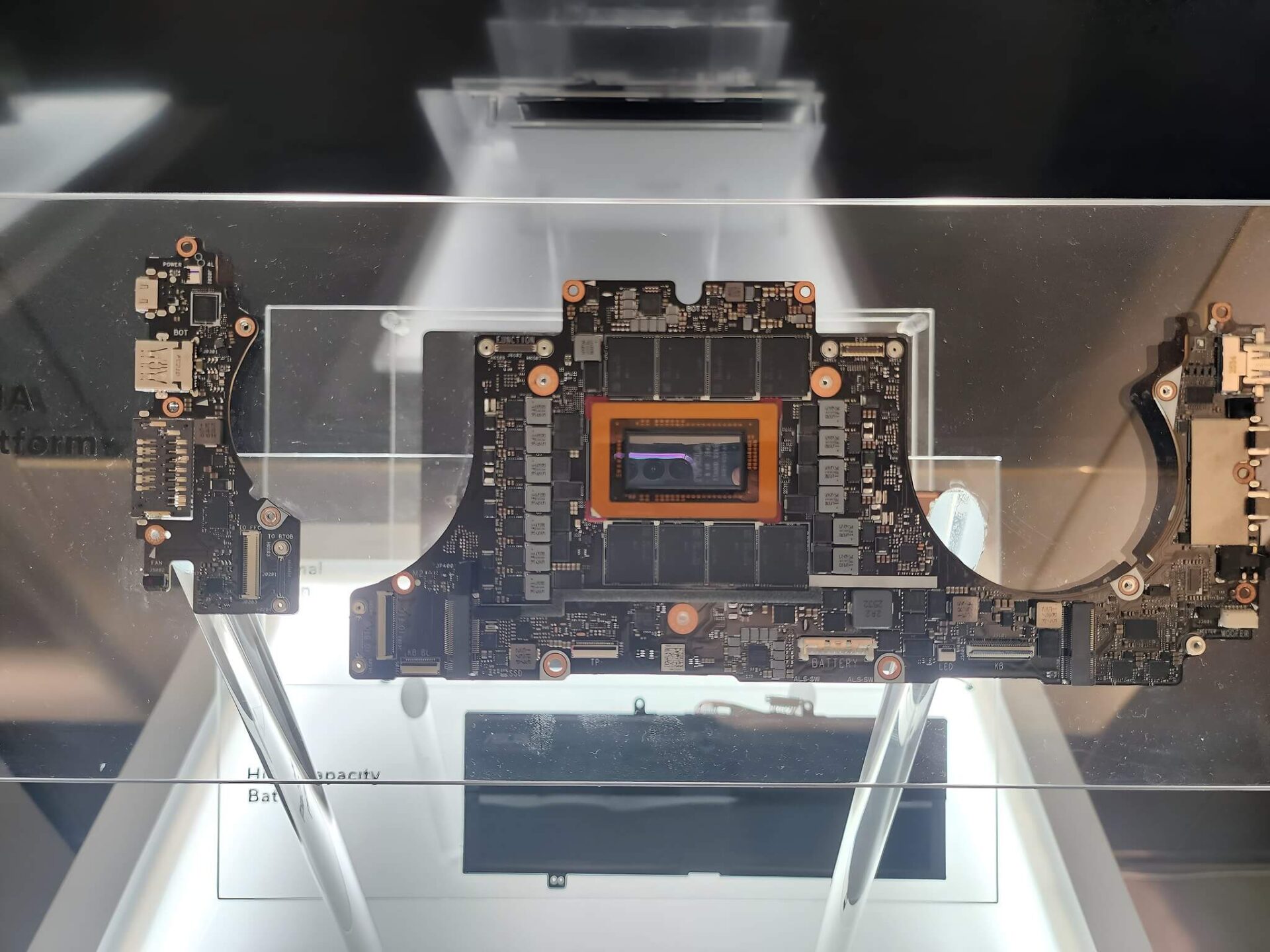
At Computex 2026, NVIDIA officially unveiled the first ecosystem of RTX Spark laptops, built on its exclusive RTX Spark chip platform. Leading manufacturers including Microsoft, ASUS, Dell and HP showed off the first RTX Spark laptops, powered by a 20-core Arm SoC with an integrated Blackwell GPU. The Microsoft Surface Laptop Ultra is the first device announced to run the platform, with 128 GB of unified LPDDR5X memory. These RTX Spark laptops promise to change how we approach content creation and gaming. Learn more about RTX Spark gaming laptops.
Breakthrough Performance From RTX Spark Laptops
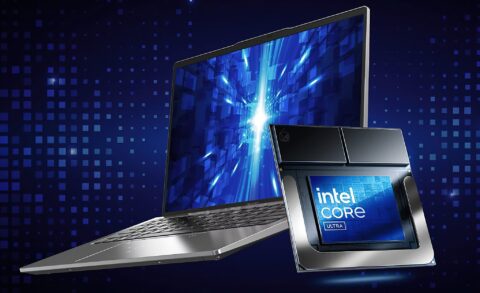
The RTX Spark chip is an entirely new System-on-Chip (SoC) that combines a 20-core Arm processor based on NVIDIA's Grace architecture with a Blackwell GPU. Its AI processing capability reaches 1 PFLOPs, and the 128 GB of unified LPDDR5X memory lets large AI models run directly on the device without a network connection.

Integrating the Blackwell GPU means full support for advanced graphics technologies such as DLSS 4.5 Ray Reconstruction and Multi-Frame Gen. In other words, RTX Spark laptops are not only strong at AI but are also true graphics machines, capable of 3D rendering, 4K/8K video editing and AAA gaming with performance well beyond earlier Arm machines.
During hands-on time at the NVIDIA booth, experts got to play games such as Alan Wake II, Indiana Jones and the Great Circle and Fortnite. Although NVIDIA did not disclose exact FPS or temperature figures, the picture looked very smooth thanks to frame generation technology. That suggests RTX Spark laptops are ready for mainstream users and demanding gamers alike.
RTX Spark Laptops: Microsoft Surface Laptop Ultra and ASUS ProArt P16 Lead the Way
The Microsoft Surface Laptop Ultra made the strongest impression as the first device announced to run on the RTX Spark chip platform. It has a thin and light design, a sharp OLED display and, notably, 128 GB of built-in onboard memory.
ASUS is keeping pace with the ProArt P16 "H7607". This model has a Lumina Pro 4K 120Hz OLED display with brightness up to 1600 nits, ideal for content creators. At just 12.9mm thick and 1.77kg, this RTX Spark laptop from ASUS remains highly portable. ASUS also launched the ProArt P14, a more compact design that weighs under 1.5kg.
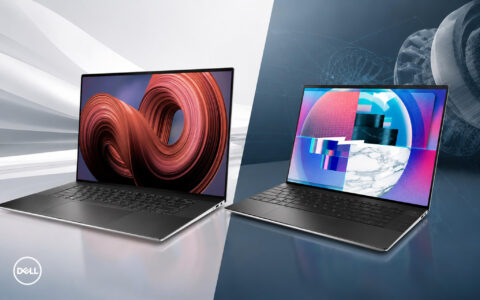
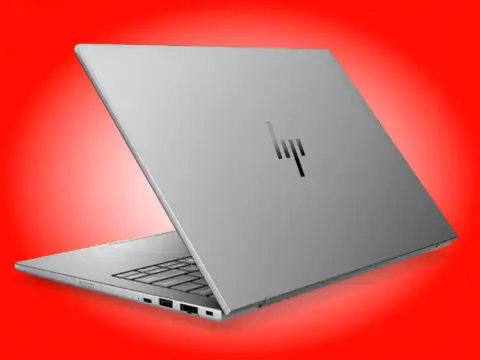
The HP OmniBook Ultra 16 is another heavyweight contender, billed by HP as the thinnest RTX Spark laptop at just 15.73mm thick. It uses a blower-fan cooling system with large heat pipes that push hot air out the back for efficient heat dissipation. The Dell XPS 16 Creator Edition and MSI Prestige N16 Flip also made an appearance, each with its own strengths in battery life, display and cooling.
| Model | Thickness | Weight | Highlights |
| HP OmniBook Ultra 16 | 15.73mm | Not yet known | Thinnest in the RTX Spark lineup |
| ASUS ProArt P16 | 12.9mm | 1.77kg | Lumina Pro 4K OLED display |
| ASUS ProArt P14 | 13.9mm | 1.48kg | Ultra-thin, highly portable |
| MSI Prestige N16 Flip | Not yet known | Not yet known | 99.9Whr battery, vapor chamber cooling |
| Dell XPS 16 | Not yet known | Not yet known | Tandem OLED TrueBlack HDR 600 display |
The launch of this wave of RTX Spark laptops marks a new era for Windows PCs. Instead of relying on the cloud, users can now handle complex AI tasks right on their personal devices. RTX Spark laptops will officially go on sale this fall.
NVIDIA also announced the partners joining the RTX Spark ecosystem, including ASUS, Dell, HP, Microsoft, MSI and Lenovo. RTX Spark gaming laptops will go on sale in fall 2026. The MSI Prestige N16 Flip also packs a 99.9Whr battery and a vapor chamber that runs below 18 dBA, while the Dell XPS 16 Creator Edition uses a Tandem OLED TrueBlack HDR 600 display.