

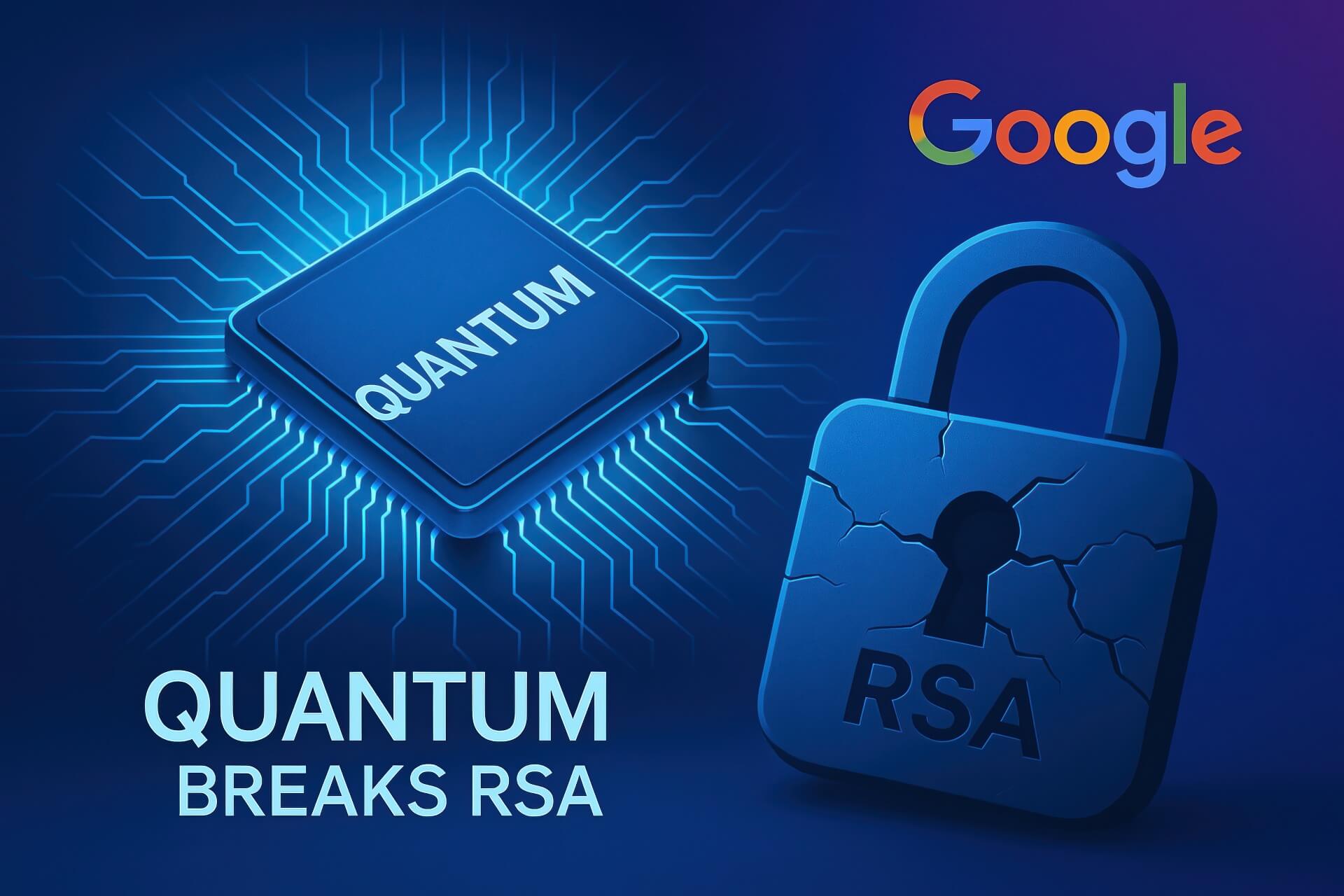
Quantum computers are getting closer to the ability to break modern security systems. According to the latest research from Google led by Craig Gidney, a quantum computer with fewer than one million qubits could break RSA 2048-bit encryption-the common security standard on the internet-in less than a week. This is a significant reduction from previous estimates suggesting that approximately 20 million qubits would be required to achieve this.
While a quantum computer with one million qubits remains a future goal, the rapid pace of development in this field means that transitioning to quantum-resistant security measures is no longer a distant concern. This research provides a blueprint for future attacks and serves as a call to the global security community to prepare for a post-quantum world.
However, Google told The Verge that their Willow quantum chip is currently still "not capable of breaking modern encryption methods," according to Charina Chou, Google's Quantum AI director. This indicates that despite significant progress, quantum technology still needs time to reach the threshold of truly threatening global encryption systems.
Breakthroughs in Quantum Technology and Their Impact on Security
The new estimate for breaking RSA encryption is the result of advancements in both quantum algorithms and error correction methods. Since Peter Shor discovered in 1994 that quantum computers could factor large numbers much more efficiently than classical computers, scientists have sought to determine exactly how much quantum hardware is needed to compromise real-world encryption systems.
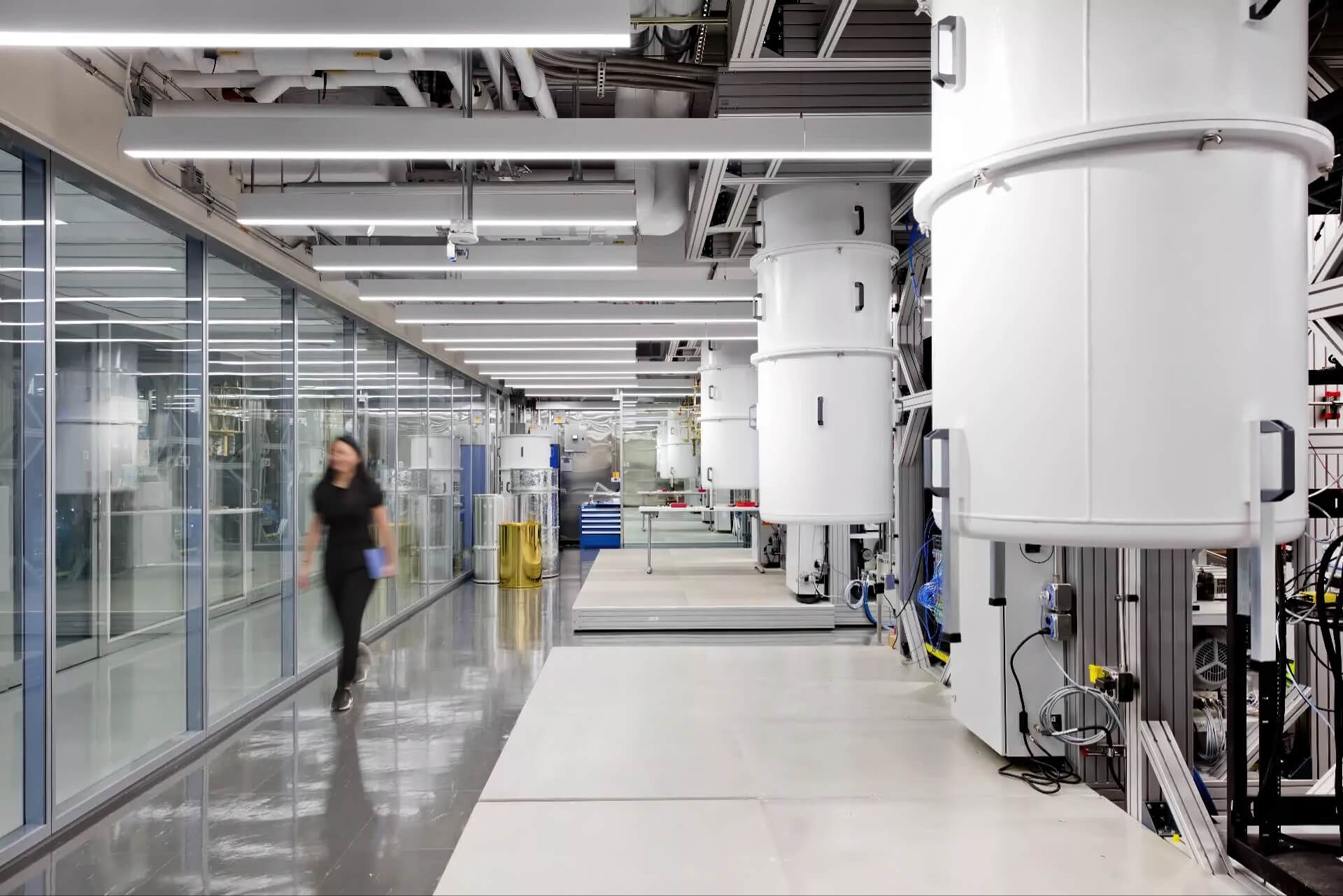
Gidney's latest work is based on recent algorithmic breakthroughs, such as using "approximate modular exponentiation," which significantly reduces the number of required logical qubits. The research also incorporates denser error-corrected qubit storage models, leveraging techniques like "yoked surface codes" and "magic state cultivation" to reduce the necessary physical resources.
Despite these improvements, the hardware described in the study is still far beyond current capabilities. Quantum computers today only operate with a few hundred or a few thousand qubits, far from the one million qubit milestone. For example, IBM's Condor and Google's Sycamore, with 1,121 and 53 qubits respectively, demonstrate the current state of quantum computing.
It is estimated that this hypothetical computer would need to run continuously for five days, maintaining extremely low error rates and coordinating billions of logical operations without interruption. Google's Charina Chou also emphasized: "Estimates suggest we need at least another 10 years and about 4 million physical qubits to break RSA encryption."
Development Roadmap and Post-Quantum Solutions
While such performance is currently unfeasible, major quantum hardware companies have outlined plans to reach this scale within the next decade. IBM aims to build a 100,000 qubit quantum computer by 2033, in collaboration with the University of Tokyo and the University of Chicago. Quantinuum, another example, has stated its goal to provide a universal, fully fault-tolerant quantum computer by the end of the 2020s, specifically targeting 2029 for its Apollo system.
The impact on security is significant. RSA and similar cryptographic systems are the foundation for much of the world's secure communication, from banking to digital signatures. The research findings reinforce the urgency of transitioning to Post-quantum Cryptography (PQC)-new standards designed to withstand attacks from quantum computers.
Last year, the U.S. National Institute of Standards and Technology (NIST) released PQC algorithms and recommended the gradual phase-out of vulnerable systems after 2030. In August, NIST announced three finalized algorithms and expects to select one or two more algorithms this year.
Gidney's research does not suggest that quantum computers capable of breaking RSA encryption are imminent. Instead, it emphasizes the importance of proactive planning. The study provides a more realistic target for hardware designers and policymakers, narrowing the gap between theoretical attacks and real-world threats.
Summary: Although quantum computers are developing rapidly, they are not yet powerful enough to break modern encryption systems. However, new research from Google shows this moment could arrive sooner than expected, with estimates suggesting it would take fewer than one million qubits to break RSA 2048-bit encryption in less than a week. This underscores the importance of transitioning to post-quantum encryption solutions over the next decade, before quantum computers reach the threshold of threatening global security infrastructure. Organizations and businesses should begin planning for this transition now, even though Google confirms that their current Willow quantum chip is not yet capable of doing so.