


Cloudflare has announced "Pay-Per-Crawl," a system that lets website owners charge AI bots or block them when they collect data, marking an important turning point in how digital content is controlled and protected in the age of AI.
What Is Pay-Per-Crawl and How Does It Work?
With AI crawlers from OpenAI, Google, and Anthropic constantly collecting web data to train models, many websites and publishers worry about losing control of their content, losing ad revenue, and losing ownership of their intellectual work. "Pay-Per-Crawl" gives website owners a clear choice: block AI bots, allow them for free, or charge for each AI crawler visit.

Through this system, websites that newly sign up with Cloudflare will be asked whether to let AI bots access them, and can set the scope of data that may be used and the purpose (training, search, inference). Cloudflare builds the technical infrastructure and acts as the payment intermediary, ensuring that every crawl is transparent about its purpose, its scope, and the fee the website owner has set.
A Major Impact on the AI and Content Publishing Industries
Cloudflare currently handles about 16-20% of global Internet traffic, so rolling out Pay-Per-Crawl will have far-reaching effects. Many major publishers such as TIME, Condé Nast, and The Associated Press have already chosen to block AI crawlers to protect their content and revenue models. Besides preventing free data harvesting, the model also lets websites earn money from their data when AI bots access it legitimately, balancing AI innovation against the interests of creators.
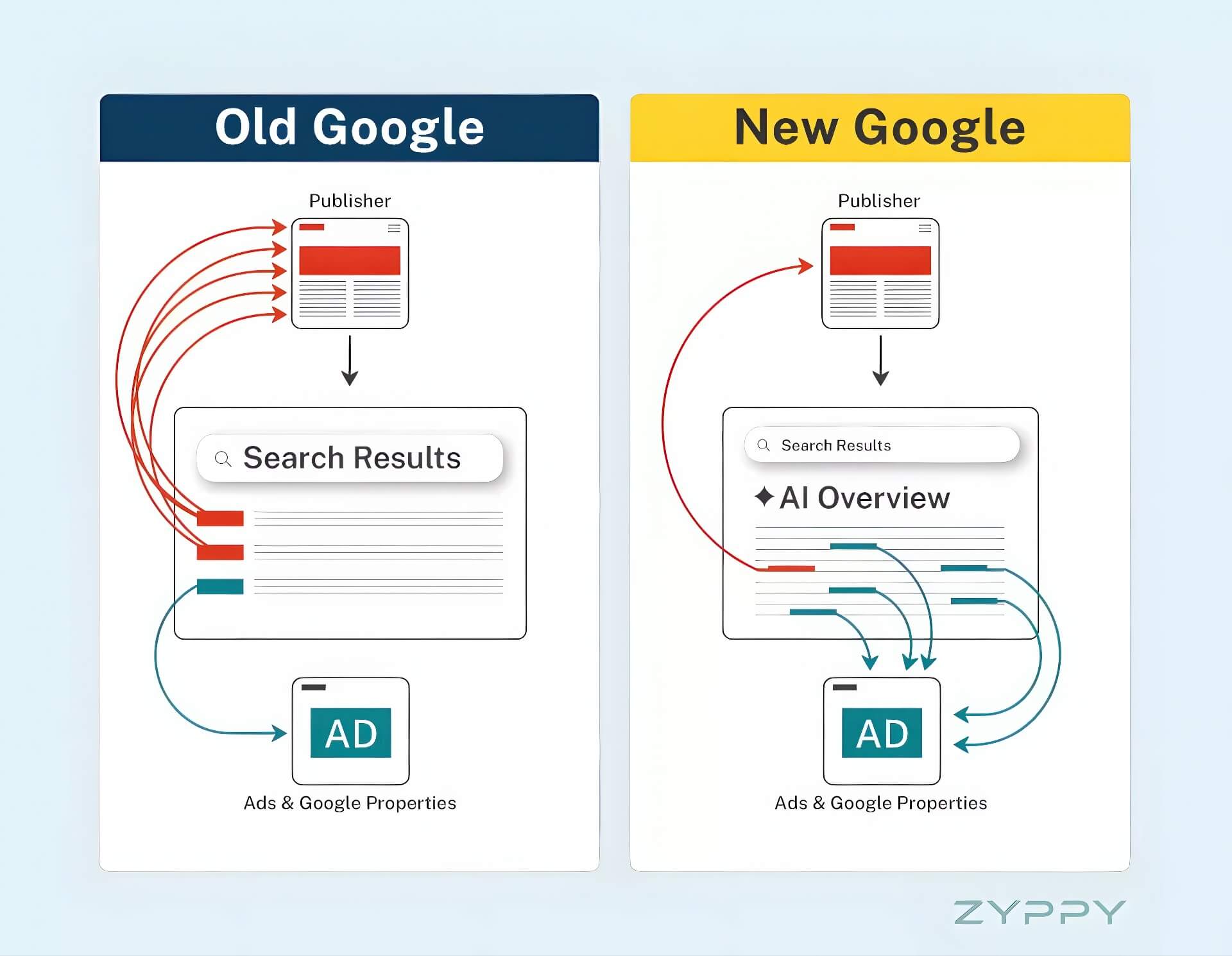
Rolling out Pay-Per-Crawl is also meant to reduce the risk of a "zero-click internet", where users read only AI-generated summaries without visiting the original website, costing websites and publishers ad revenue.
Opportunities, Challenges, and the Future of Pay-Per-Crawl
The Pay-Per-Crawl system gives website owners more control over their content and its protection, while also opening a new revenue channel by allowing AI bots to collect data for a fee. For the model to succeed, however, AI companies need to join voluntarily and agree to pay the fees website owners set. Risks remain, since AI crawlers could "skirt the rules" to access content for free or use opaque data collection methods.
Although it is still in beta, Pay-Per-Crawl is expected to become a new standard in the industry, forcing AI companies to respect content ownership and be transparent when they use data. Given Cloudflare's scale in the Internet ecosystem, this model could become a global trend, helping reshape how AI accesses data and how content creators protect their work as AI grows rapidly.