
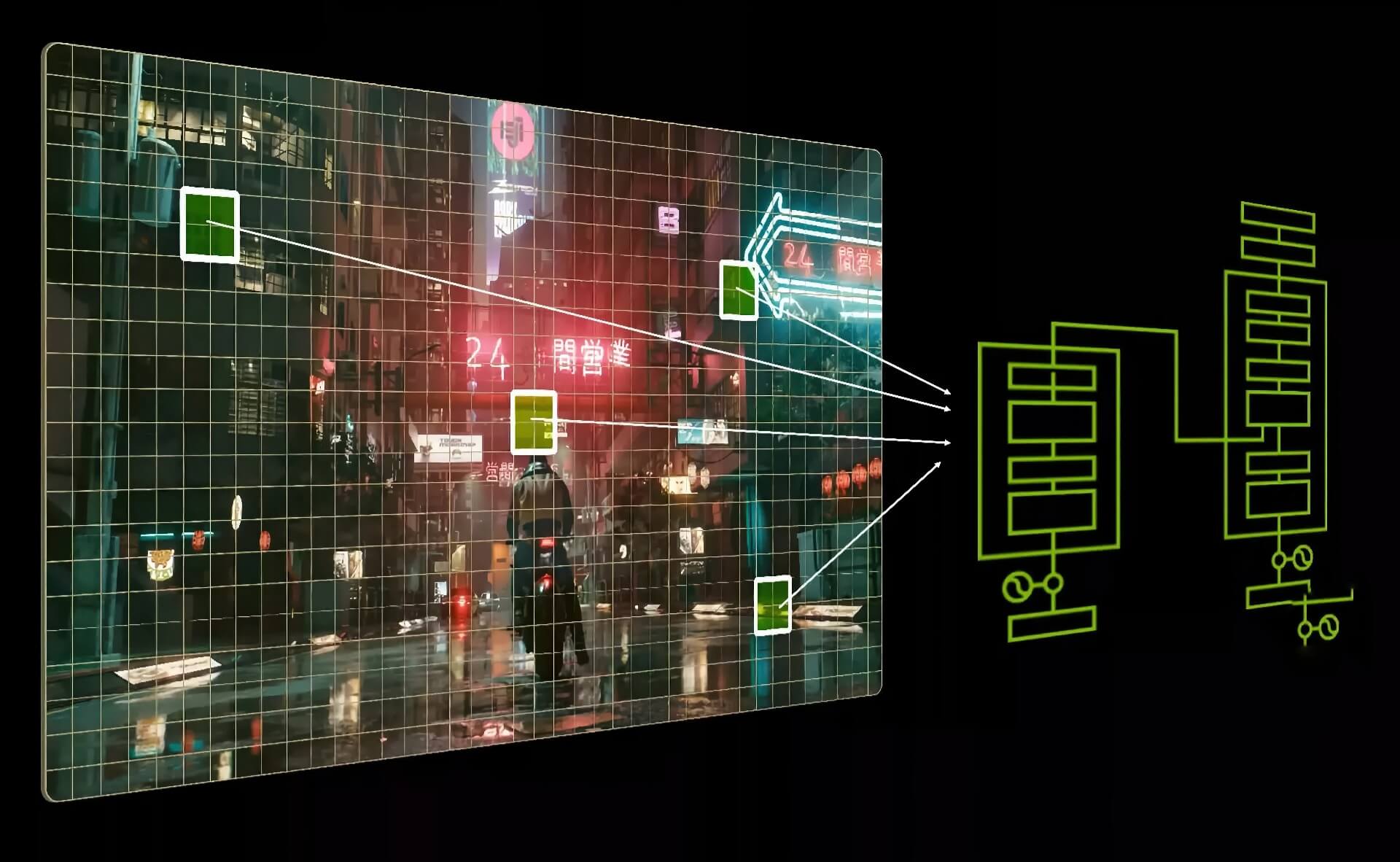
Nvidia has officially launched DLSS 4 featuring the Transformer model, marking a major leap in AI-driven image quality enhancement technology. Moving away from the Convolutional Neural Networks (CNN) used in previous versions, DLSS 4 utilizes the Transformer architecture to deliver superior sharpness, improved performance, and minimized visual artifacts.
DLSS 4 and Transformer Technology: A Breakthrough Combination
DLSS (Deep Learning Super Sampling) is an AI-driven rendering technology developed by Nvidia that boosts frame rates while maintaining high graphical quality. With DLSS 4, Nvidia has completely revolutionized its AI foundation by transitioning to the Transformer architecture, which is renowned for its wide pattern recognition capabilities and self-attention mechanisms.
https://www.youtube.com/watch?v=I4Q87HB6t7Y
The Transformer model has now moved past the beta testing phase and is officially integrated into DLSS Super Resolution and Ray Reconstruction. This is a turning point, as not only the RTX 50 series GPUs but also the RTX 20, 30, and 40 series will be supported, with the exception of the Multi Frame Generation feature, which remains exclusive to the RTX 50 series.
The greatest benefit of this new model is its ability to reduce ghosting, shimmering, and smearing in games-issues that previously concerned users. Simultaneously, upscaled images from low resolutions will become significantly sharper and more stable, especially in fast-moving scenes or complex lighting environments.
Wide Compatibility and Practical Applications
DLSS 4 is not just a technological advancement but also an expansion of practical applications. Users can now activate the Transformer model in older games through the Nvidia App or tools like DLSS Swapper and Optiscaler. This adds value to older RTX cards without requiring hardware upgrades.
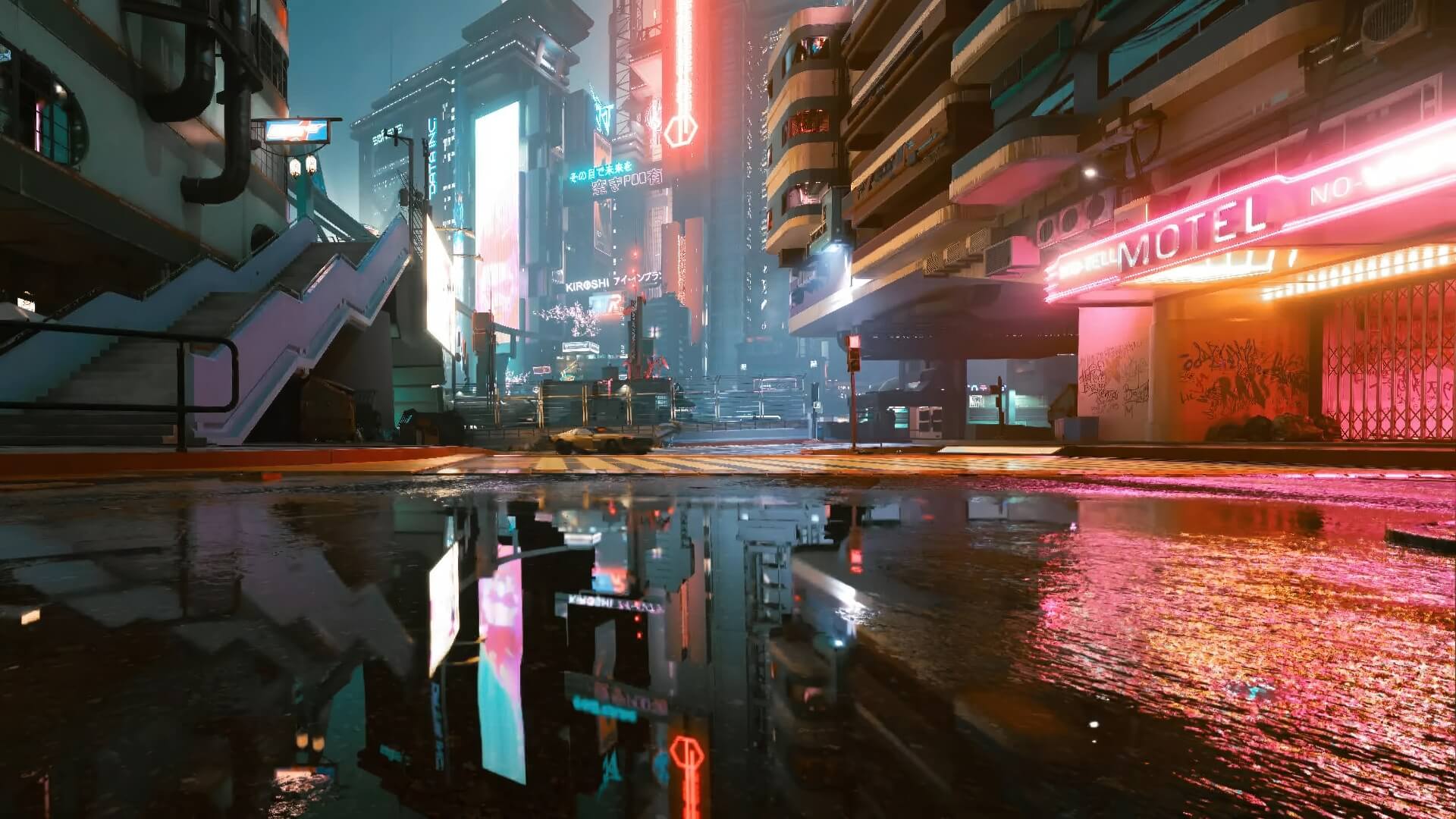
DLSS 4 is also being warmly embraced by game developers and creative software providers. Titles such as Doom: The Dark Ages and Dune: Awakening, along with development tools like Unreal Engine 5 and D5 Render, have already planned to integrate this technology, promising to elevate the visual experience for both professional users and gamers.
However, DLSS 4 is not without its flaws. Some visual artifacts may still appear when combined with Ray Reconstruction. Additionally, since Multi Frame Generation is still limited to the RTX 50 series, users with older cards cannot yet fully utilize every new feature.
In short: DLSS 4 with the Transformer model is a new milestone in the evolution of AI rendering technology. With enhanced performance, sharper image quality, and strong backward compatibility, DLSS 4 is not just for the next generation of hardware but also brings value to millions of current RTX users.