


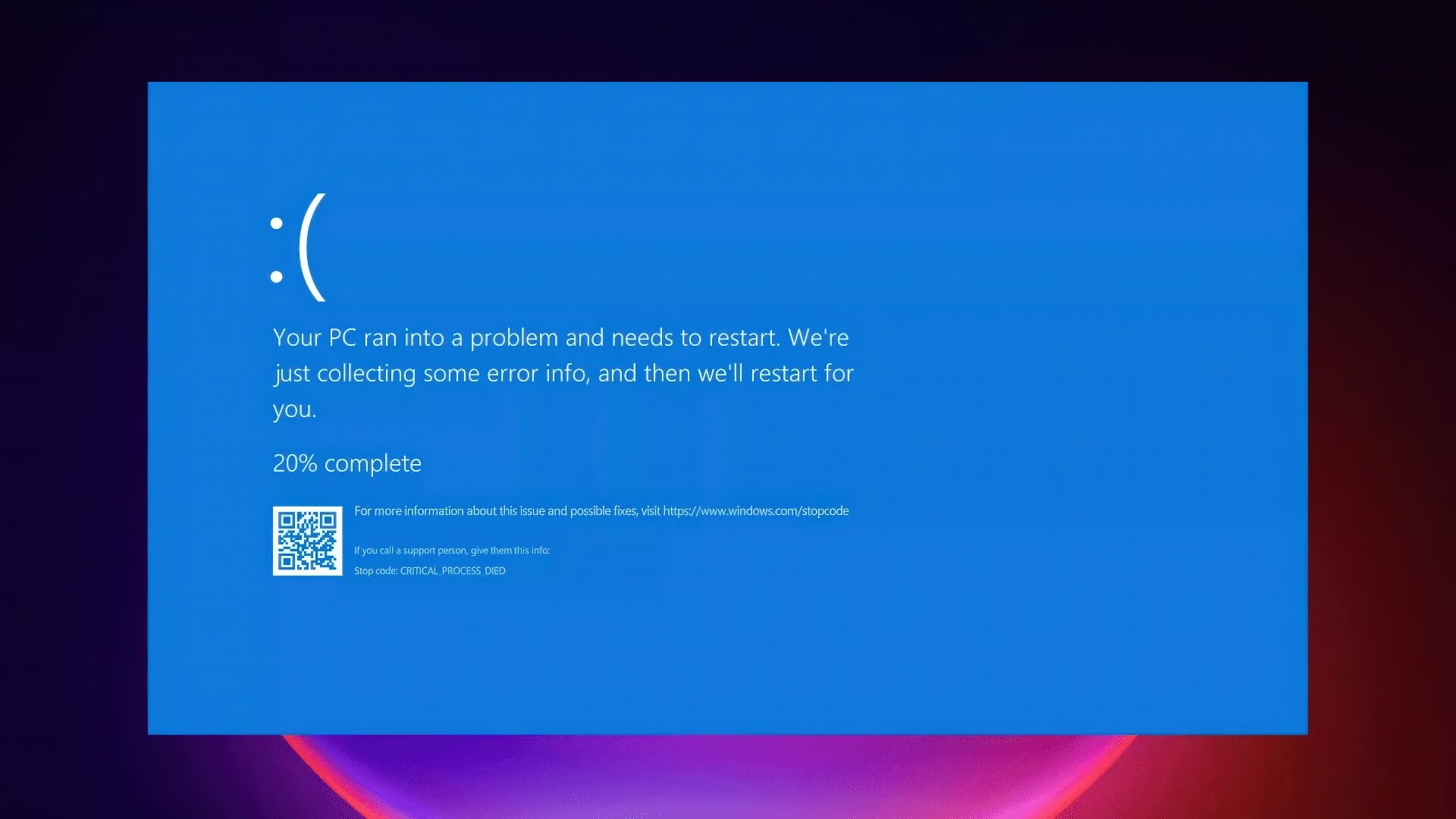
Microsoft is revolutionizing Windows security following the CrowdStrike 2024 incident, which caused millions of computers worldwide to experience severe issues, disrupting numerous industries and causing billions of dollars in damages. The cause stemmed from a faulty CrowdStrike kernel-level driver, which triggered the Blue Screen of Death (BSOD) and caused users to lose control of their systems.
Microsoft restructures Windows kernel to enhance security and stability
To prevent a similar catastrophe from recurring, Microsoft has announced plans to redesign the Windows kernel architecture with a focus on enhancing security and stability. The company has partnered with leading security firms such as CrowdStrike, Bitdefender, ESET, and Trend Micro to build a new security model tailored to current needs.
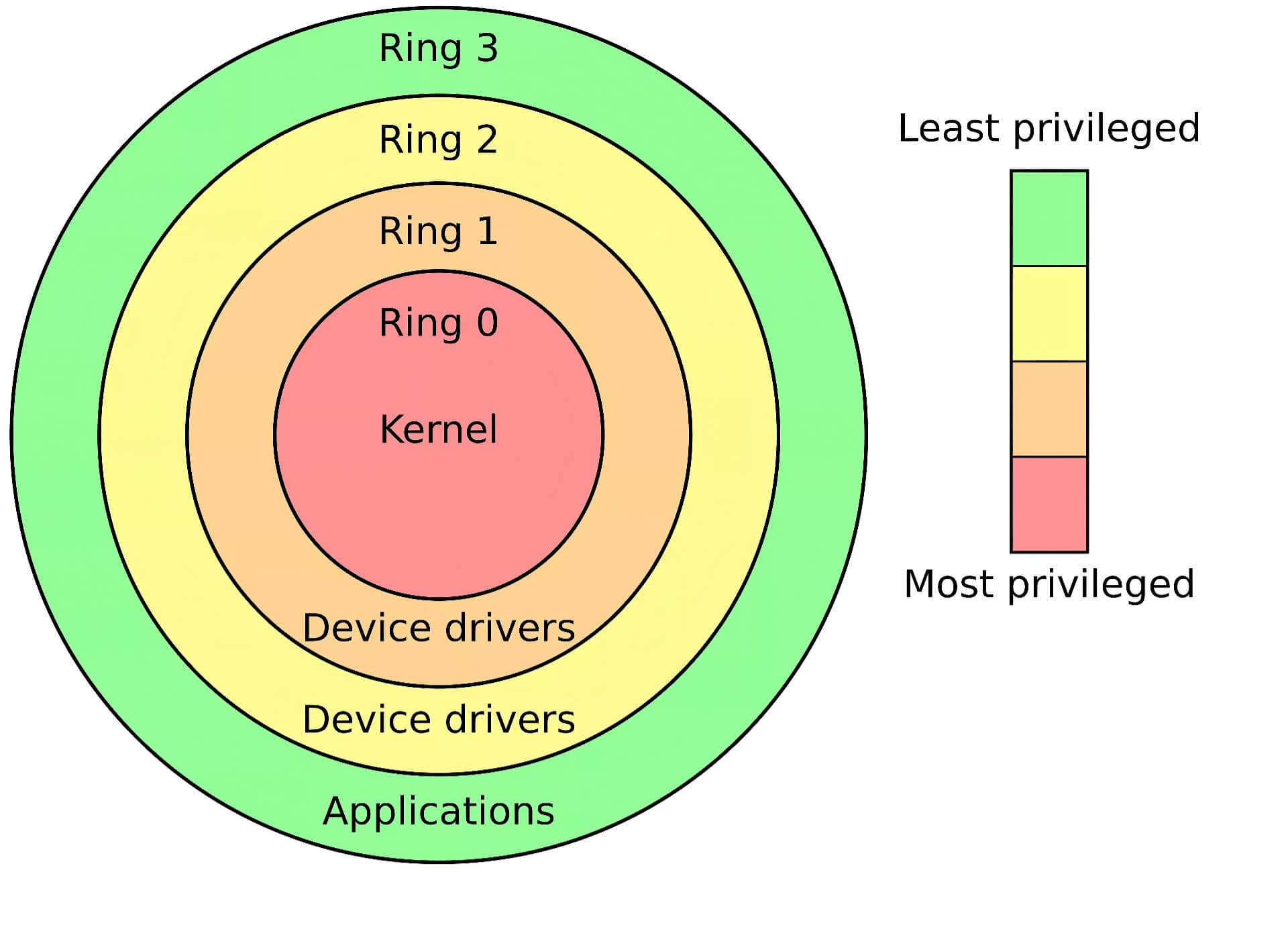
One of the key technical changes is moving security drivers (antivirus, endpoint protection) out of kernel space and allowing them to run in user space, thereby reducing the risk of critical errors affecting the entire system when an incident occurs. The clear separation between kernel space (high-privilege, sensitive area) and user space (lower-privilege area) helps prevent security drivers from directly interfering with the operating system kernel, minimizing the risk of mass system crashes.
New security initiatives for Windows
This move is part of Microsoft's Windows Resilience Initiative (WRI), which focuses on enhancing the resilience and security of Windows while working closely with global security partners. Through the Microsoft Virus Initiative (MVI), Microsoft and security companies will test, update, and deploy optimal safety solutions, ensuring that third-party security software operates stably on Windows without threatening the overall safety of the operating system.
Benefits and challenges for the Windows security ecosystem
This kernel architecture overhaul will significantly reduce the risk of system crashes caused by security software errors, while simultaneously increasing the stability and resilience of Windows when encountering issues. For end-users and businesses, this is a crucial step toward protecting data, minimizing work disruptions, and enhancing system recovery capabilities when errors arise.
However, this transition also requires security software developers to adapt and optimize their products for the new architecture. While it may not immediately solve every kernel-level security issue, this change marks a significant step in reshaping how security operates on Windows, ensuring the operating system platform is better prepared for increasingly sophisticated cyber risks.
This is not just a technical advancement, but also an affirmation of Microsoft's commitment to industry-wide collaboration to build a safer, more stable, and more reliable Windows environment for millions of users and businesses globally.