
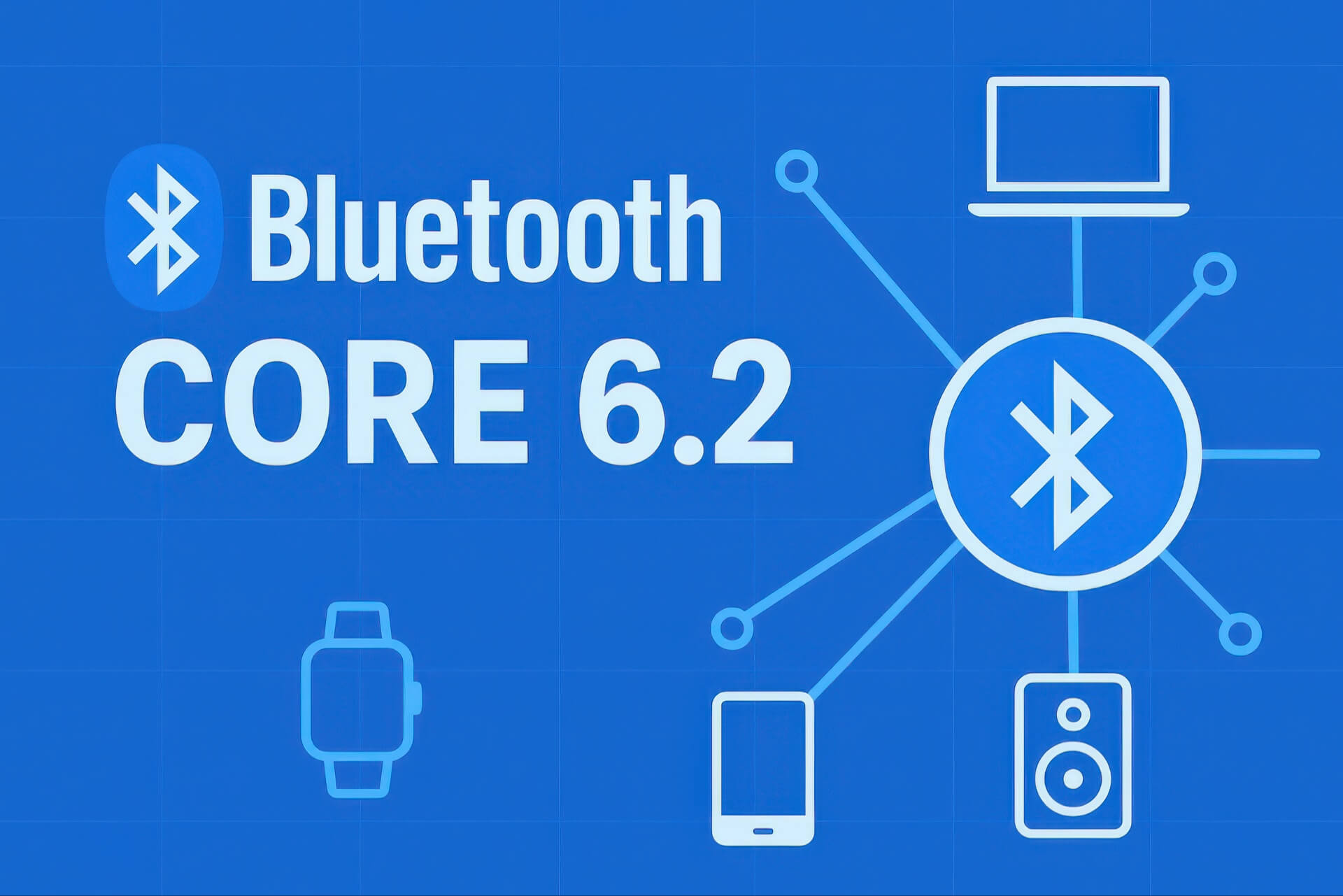
The Bluetooth SIG organization recently introduced the Bluetooth Core 6.2 specification, bringing new features and improvements to the familiar wireless standard. The organization currently follows a schedule of releasing Bluetooth specifications twice a year, although this latest version appears to be an incremental refinement aimed at improving the responsiveness and security of the standard. According to the announcement, the key features in the 6.2 specification include Bluetooth Shorter Connection Intervals. This feature reduces the minimum connection interval for Bluetooth LE (Low Energy) devices from 7.5 milliseconds (ms) to just 375 microseconds (µs). To put it into perspective, one microsecond is one-thousandth of a millisecond. This improvement is expected to enable significantly faster response speeds, opening up many new applications for this popular wireless standard.
Bluetooth Core 6.2 accelerates response speed and simplifies audio integration
The Bluetooth SIG group stated that faster response times will benefit high-performance devices, real-time human-machine interfaces, and sensors in low-latency applications. This is particularly important in fields such as healthcare, industry, and control systems that require near-instantaneous precision. Additionally, the Bluetooth HCI USB LE Isochronous Support feature now introduces a new Bulk Serialization Mode (BSM). This mode standardizes isochronous data transmission over USB connections. Thanks to BSM, integrating Bluetooth LE Audio into USB-based systems and devices will become easier, promising stable audio quality and lower latency when connecting via USB ports.
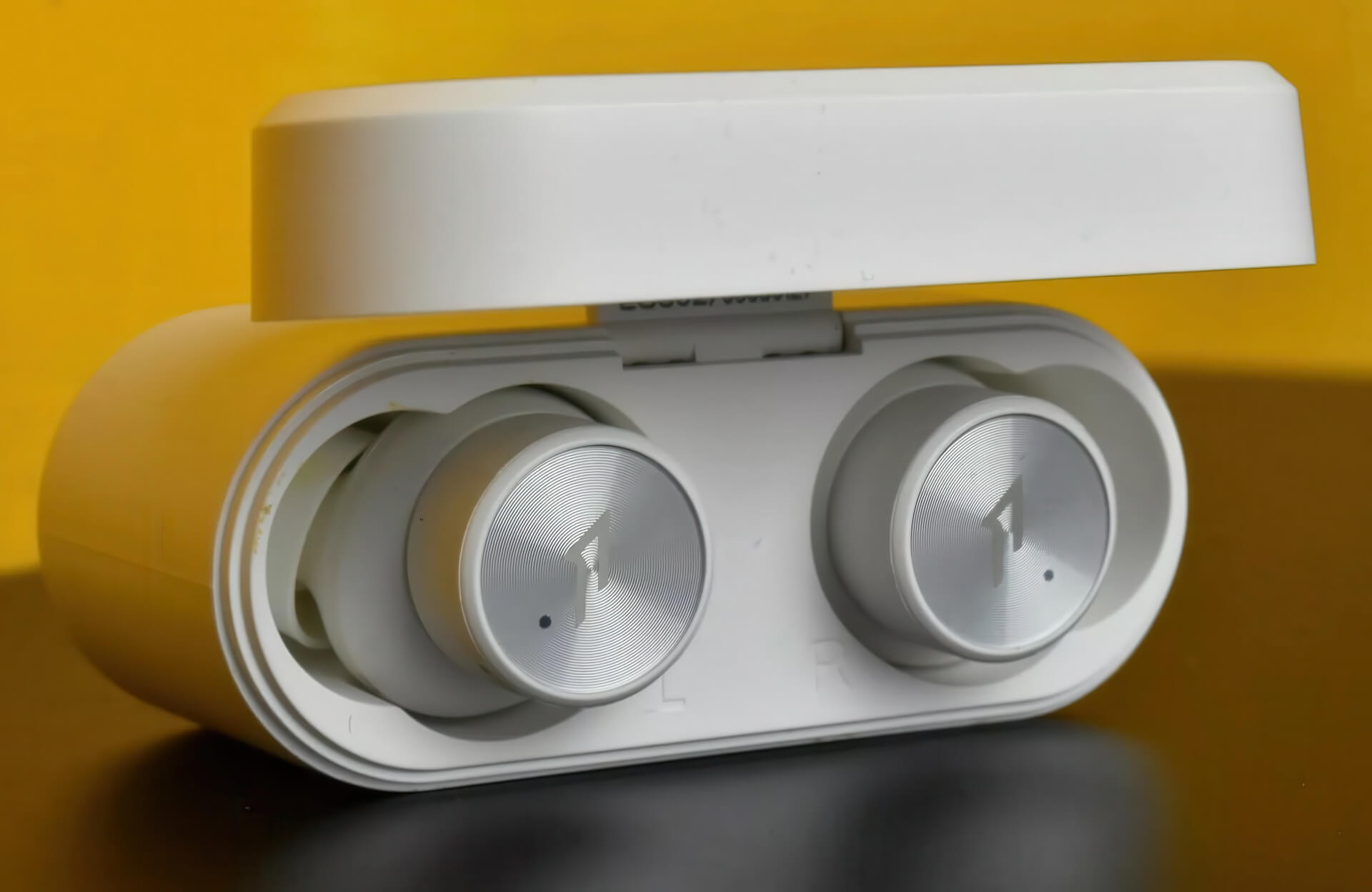
The Bluetooth standard also features enhanced resilience against amplitude-based attacks, with new protections against sophisticated radio frequency threats. This improvement is designed to strengthen Bluetooth security in specific scenarios such as automotive systems, smart home setups, and industrial applications, where security is paramount.
Enhancements to test mode and the future vision of Bluetooth
Additionally, the Bluetooth LE Test Mode Enhancements feature (Bluetooth LE) provides a unified protocol for performing PHY (physical layer) tests. Now, designers and audio engineers can test their devices wirelessly, over-the-air, without having to rely on complex cable setups as before. This helps accelerate the product development and quality testing process.
While highlighting the key changes introduced in the 6.2 standard, Bluetooth SIG reminds developers and industry stakeholders that a full overview of features is available on their website. The organization also advises members to avoid directly quoting Core Specifications when describing Bluetooth functionality; official communication guidelines provide best practices for promotional campaigns.
Overall, the Bluetooth Core 6.2 specifications aim to innovate an already well-established wireless standard rather than completely reinvent it. In recent years, Bluetooth has evolved significantly thanks to the Bluetooth LE Audio architecture, which SIG describes as the next generation of wireless audio. Even Microsoft is integrating some of these improvements into the latest Windows 11 releases, demonstrating the importance of the speed and security refinements brought by Core 6.2.