
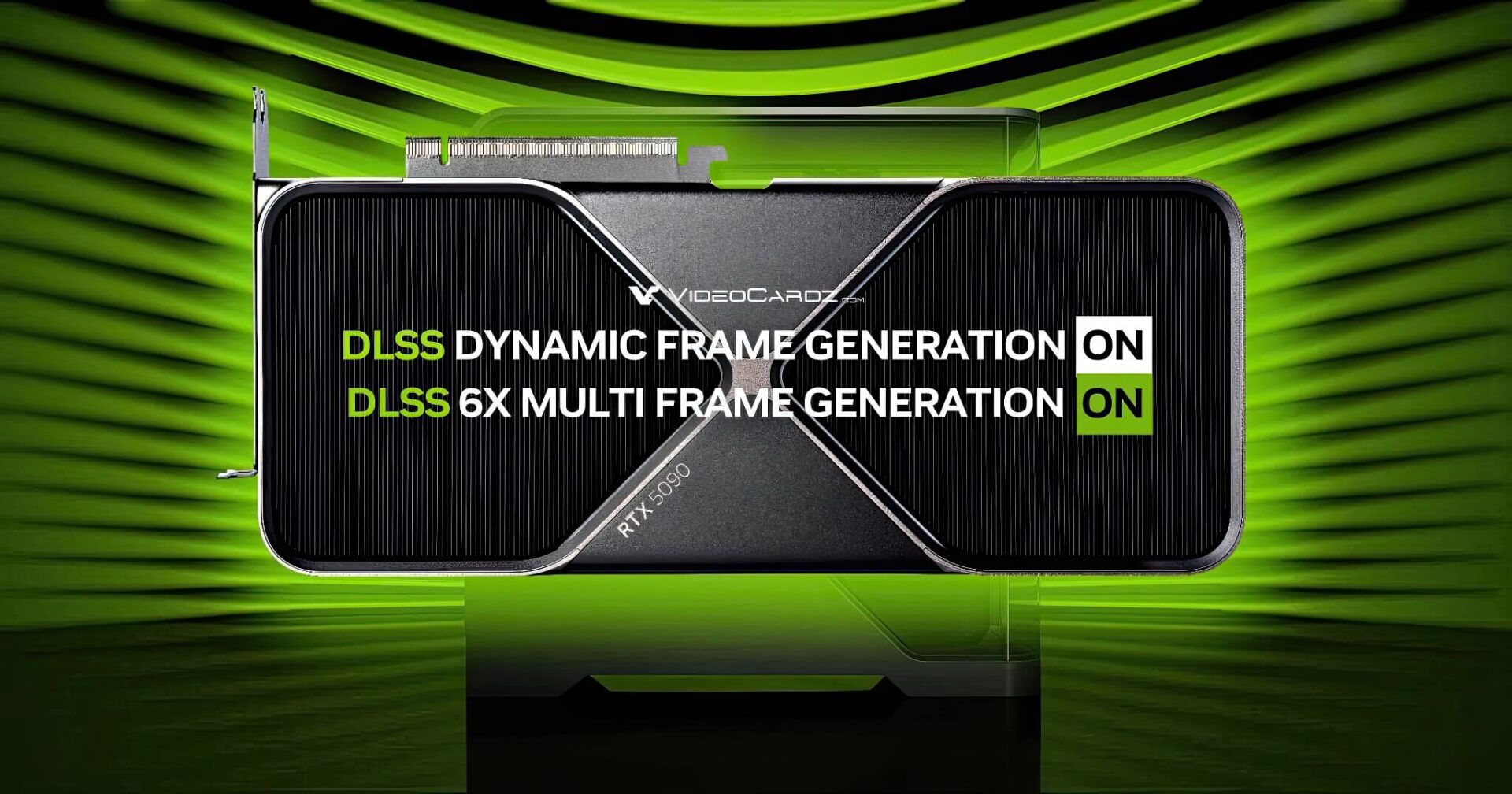
Nvidia 6x DLSS and the Dynamic Frame Generation (Dynamic MFG) feature have officially been scheduled for release this coming April. Following a promising teaser at the CES exhibition earlier this year, the Green Team has confirmed to the press in Munich (Germany) that this critical software update will soon reach users, but it will be limited exclusively to the latest RTX 50 series graphics cards. This is considered a technological lever helping high-end PC machines fully exploit the power of the "massive" refresh rate monitors that are becoming increasingly popular on the market.
Nvidia 6x DLSS: When AI Automates the Gaming Experience
If you have ever felt frustrated having to manually select frame generation multipliers (2x, 3x, or 4x) to find the balance between smoothness and latency, then the Dynamic Multi-Frame Generation feature is made for you. Instead of maintaining a fixed multiplier, Nvidia's AI system will continuously monitor GPU load and automatically adjust the frame generation multiplier in real-time.
https://www.youtube.com/watch?v=MiuEAl7x2o4
This mechanism works similarly to an automatic climate control system in a car: you simply set your desired temperature (in this case, the target FPS or the maximum refresh rate of the monitor), and the machine handles the rest. According to early tests from Hardwareluxx with the game The Outer Worlds 2, the transition between frame generation modes is extremely fast and smooth, to the point where players do not feel any change other than the visuals remaining consistently fluid.
In particular, the appearance of Nvidia 6x DLSS-the ability to insert up to 5 virtual frames between real frames-will help heavy games easily reach the 300 FPS threshold or higher. This is an important prerequisite to activate G-Sync Pulsar technology, an advanced backlight flickering technique that helps 300Hz IPS monitors achieve motion clarity comparable to theoretical 1,000Hz monitors.
A Private Playground for Ultra-High-Speed Monitors
However, great power always comes with great responsibility. Nvidia advises that the 6x frame generation mode is not a "magic pill" for every configuration. It only truly shows its effectiveness on ultra-high refresh rate monitors, from 360Hz and above. If this technology is applied to standard 60Hz or 120Hz monitors, players will face increased input lag, making mouse movement and aiming feel inaccurate.
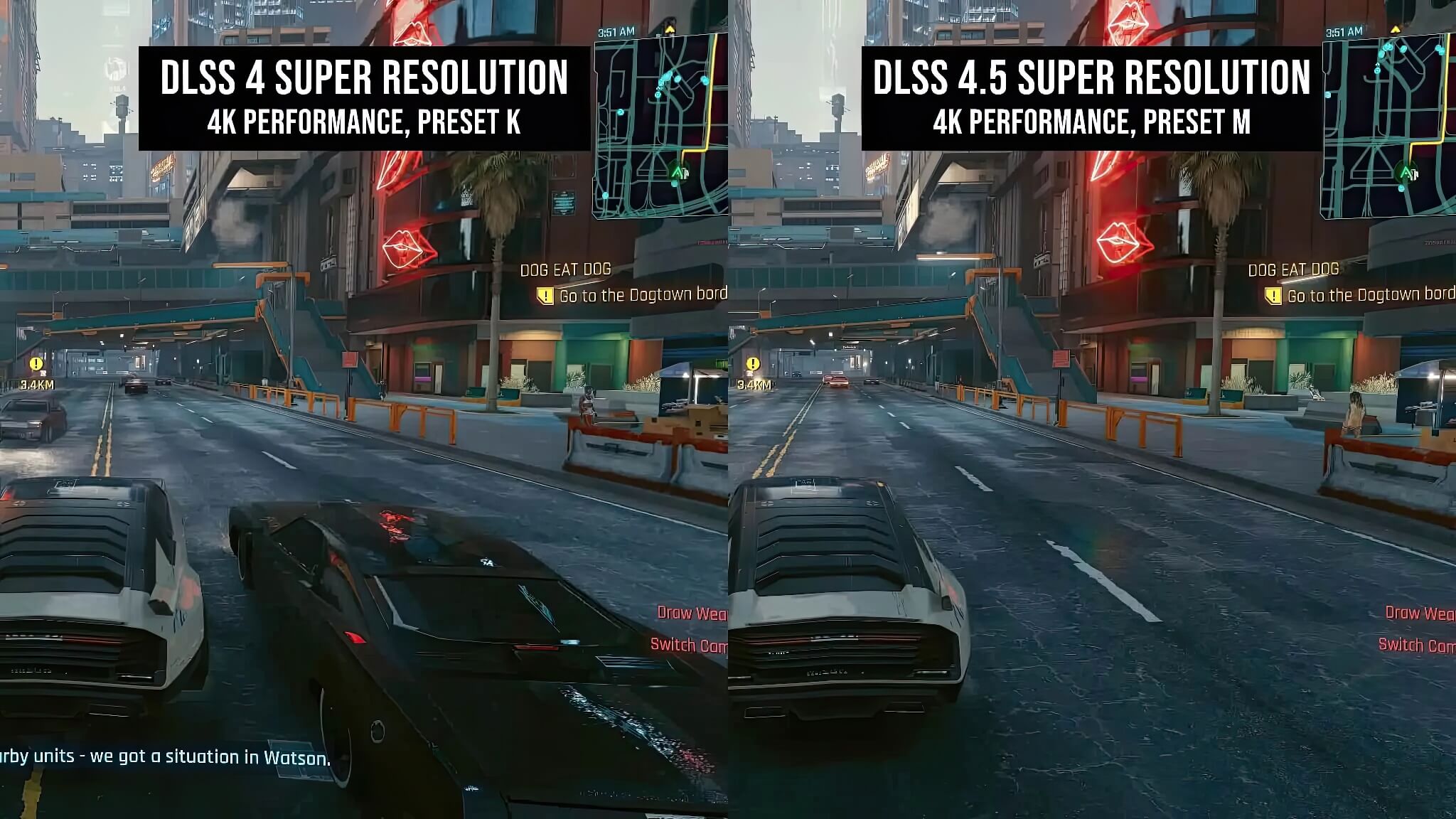
In other words, this technology is designed to fill the gap for high-end monitors, where even the most powerful graphics cards struggle to render fast enough to match the panel's refresh rate. Additionally, the April update also brings the option to switch between DLSS 4 and the new DLSS 4.5 version. Although version 4.5 provides better upscaling capabilities, it also requires more processing resources and may cause minor visual artifacts on older card generations (RTX 20/30 series). Nevertheless, for RTX 50 series users, this remains a "worth every penny" upgrade.
In short, this coming April will be the time when PC setups using the RTX 50 series truly "take off." With the support of AI, the boundary between hardware and software is becoming increasingly blurred, bringing an unprecedented visual experience to gamers.