
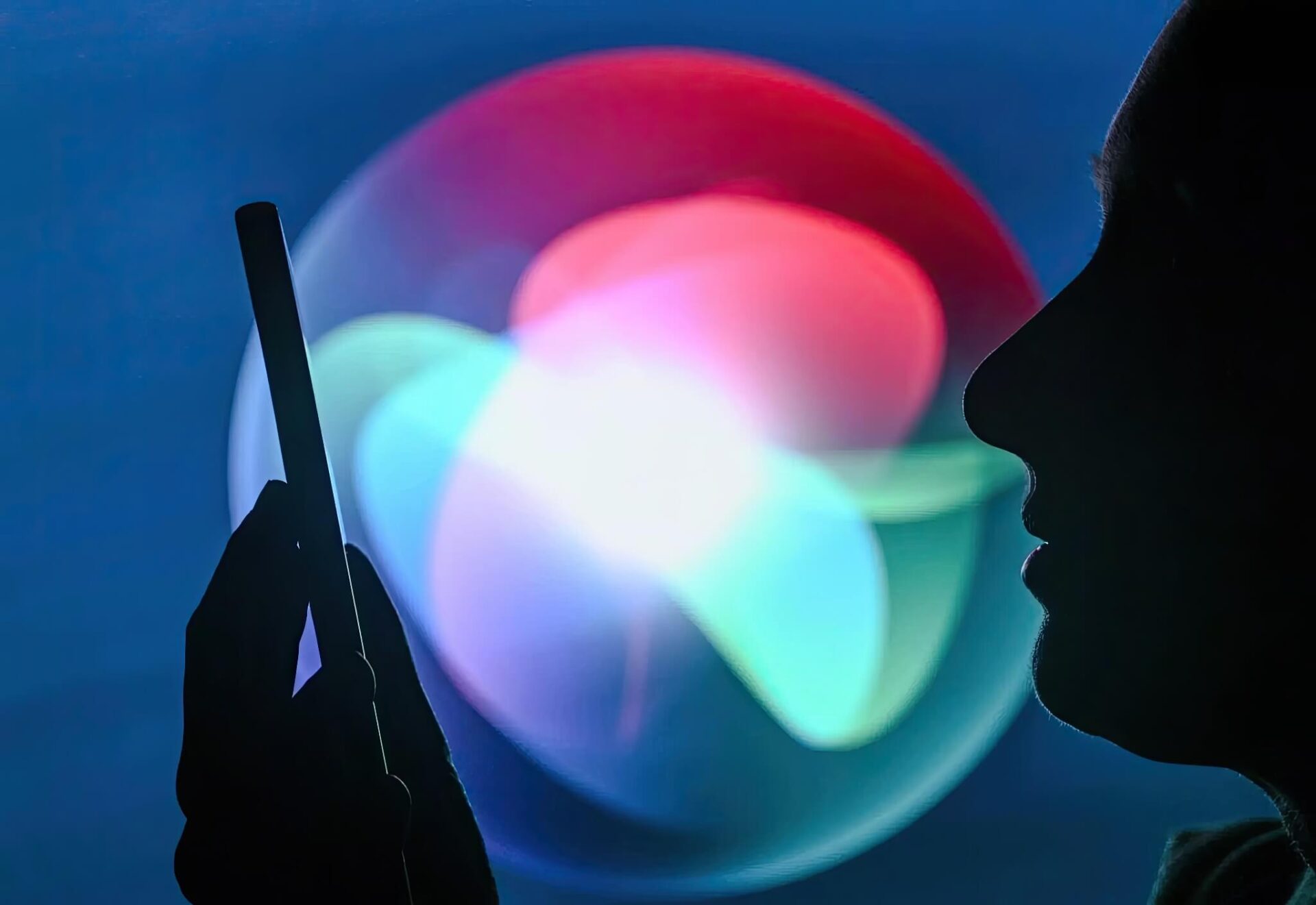
Apple has once again dampened the expectations of the tech community by announcing a delay in the launch of major upgrades for its virtual assistant Siri. According to sources close to the matter, although the company had planned to unveil a new look for Siri along with the iOS 26.4 update this coming March, technical hurdles encountered during internal testing have forced "the Apple" to change its roadmap. In reality, restructuring a tech icon that has existed for over a decade to transform it into a true artificial intelligence is a much greater challenge than the engineers in Cupertino initially anticipated.
Siri and the "silly" errors during the testing process
The most anticipated feature for users in the next generation of Siri is the ability to understand context and access personal data intelligently. However, real-world tests have revealed concerning flaws. The virtual assistant frequently "freezes" when processing complex commands or responds so slowly that it becomes frustrating. At times, Siri even completely misunderstands the owner's intent, leading to unrelated actions. This makes the user experience inconsistent and fails to meet the rigorous standards the company constantly pursues.
Furthermore, the ability to control actions within apps-a core feature designed to maximize hands-free usage-remains highly unstable. In internal demos, although Siri can perform multi-step tasks such as finding a photo, cropping it, and sending it to friends, the success rate remains low and often encounters errors midway. This instability has forced the company to extend the testing phase to iOS 26.5 in May and even iOS 27 this fall to ensure that when it reaches customers, Siri is a truly reliable assistant rather than a buggy toy.
Linwood Architecture: AI Ambition and Long-term Value
Analyzing the hardware and software power in depth, this delay stems from Apple's ongoing process of rewriting the entire core structure of Siri under the codename Linwood. This new system is designed to support deeper natural language understanding and provide more creative responses, marking the biggest transformation since 2011. The long-term value of this project lies in the deep integration of Large Language Models (LLM) developed in-house, combined with the power of the Google Gemini platform to handle heavy AI tasks in the cloud, providing a natural interaction experience as if chatting with a real person.
Additionally, the company is quietly developing a comprehensive chatbot interface named Campo for iOS 27. This platform promises to turn Siri into a virtual agent capable of maintaining multi-turn conversations and accurately retrieving local data from Mail, Calendar, or Safari. Notably, the company remains steadfast in its privacy-first philosophy, ensuring that user requests are processed directly on the device or through absolutely secure servers. If you are looking for a breakthrough change on your iPhone, please be patient until Spring 2026, as this will be when Apple Intelligence truly explodes and redefines how we communicate with machines.
In summary, while Apple's delay may be disappointing, it is a necessary step to avoid a user experience disaster. Perfecting the most ambitious artificial intelligence system in the company's history cannot happen overnight. Practical advice for customers is to continue using Siri as it is currently and prepare for incremental AI features in upcoming updates, before embracing a true revolution at the end of next year.