
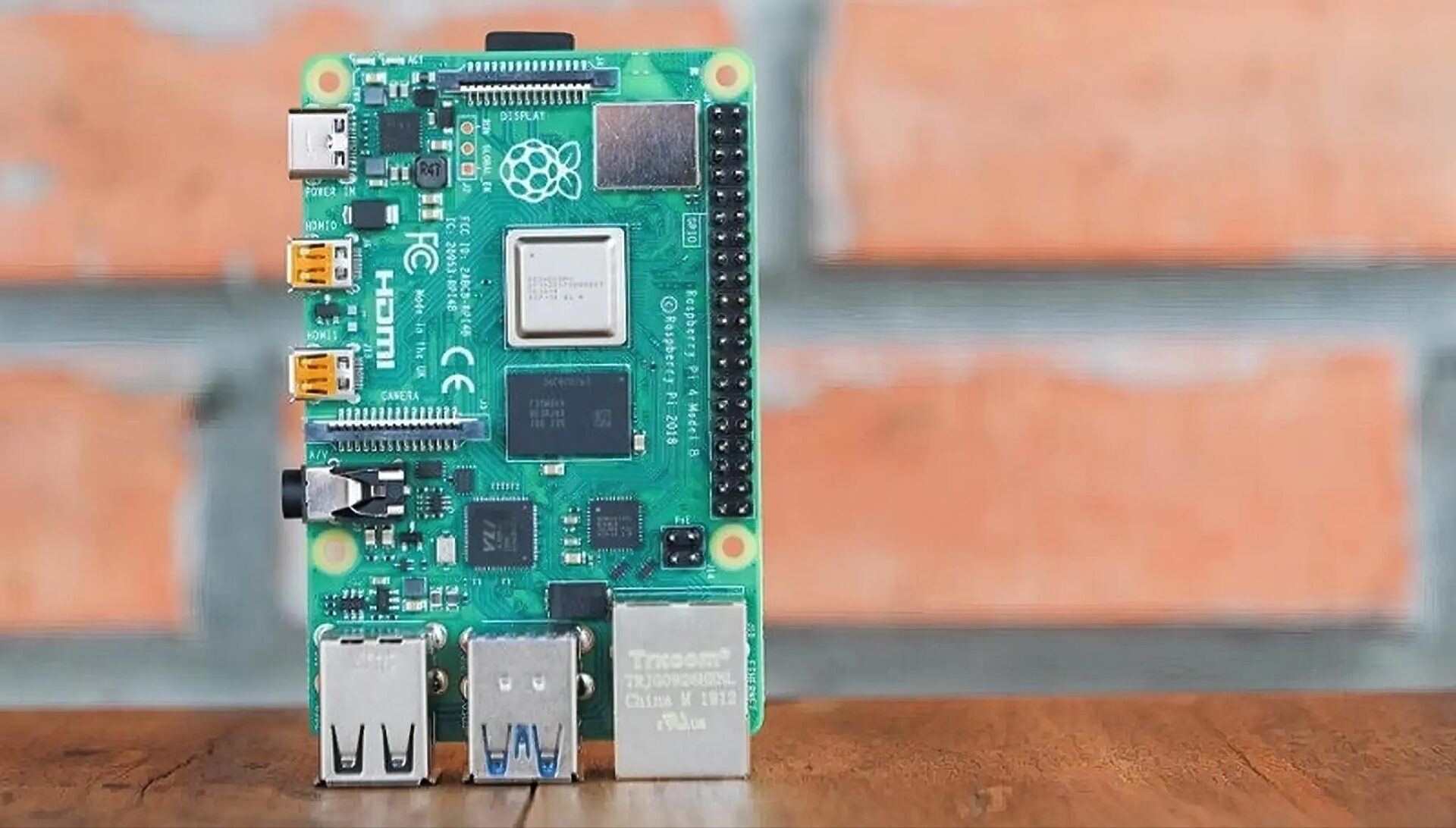
For a long time, Raspberry Pi has been celebrated by the tech community and DIY enthusiasts as the "people's computer" thanks to its ultra-low price and endless customization possibilities. However, that friendly image is gradually fading in the face of an unprecedented price storm. Just two months after the first price adjustment, the Raspberry Pi Foundation has had to issue a second price hike announcement as it enters 2026. The root cause does not lie within the company itself, but stems from the global "hunger" for memory chips driven by the Artificial Intelligence (AI) boom, which has doubled component costs and forced consumers to bear the consequences.
When the AI "price storm" sweeps away the definition of low-cost computing
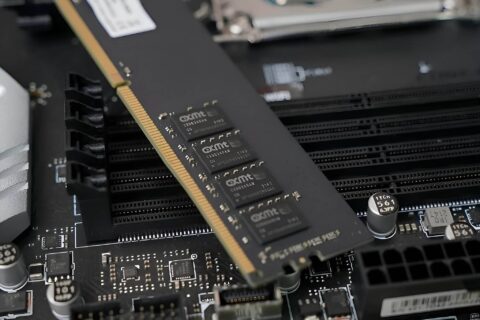
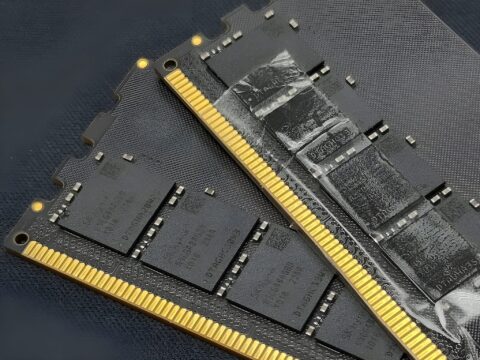
In a recent announcement, founder Eben Upton had to admit a harsh reality: input component costs have more than doubled in just the last quarter. This is a direct consequence of major tech corporations sweeping up all memory chip lines to serve AI servers and data centers. When supply is scarce, price escalation is inevitable, and smaller manufacturers like Raspberry Pi have no choice but to increase selling prices to maintain operations.
This is truly a major shock to enthusiasts of this single-board computer line. When launched in 2012, the mission of Raspberry Pi was to democratize computing for students at a "dirt cheap" price. But now, with the new pricing, it is gradually becoming a luxury toy. This change not only affects individuals but also heavily impacts IT enterprises using Raspberry Pi as the brain for industrial IoT (Internet of Things) systems.
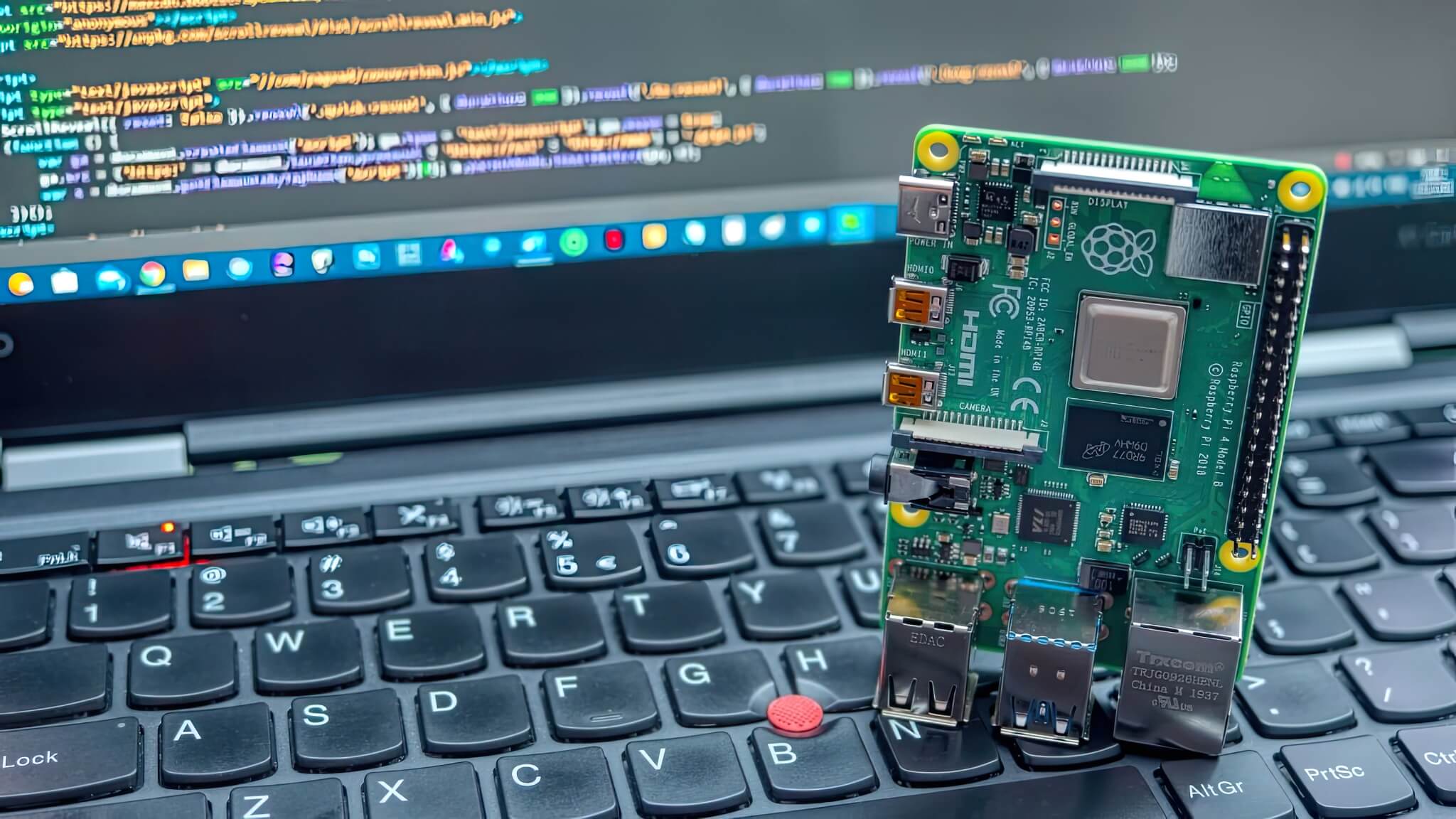
Mr. Upton predicts that 2026 will continue to be a challenging year. Although the company is striving to curb the price increase and hopes this is only a temporary situation, looking at the AI craze which shows no signs of cooling down, it is difficult for users to expect prices to soon trend downward.
New Raspberry Pi Price List: How to buy economically?
This price hike hits the high-RAM versions hard-which are currently the most expensive components. Specifically, the "victim" most heavily affected is the Raspberry Pi 5 16GB version, with an increase of up to 85 USD, pushing the final retail price to 205 USD (approximately over 5 million VND). At this price point, the Raspberry Pi 5 no longer holds an absolute competitive advantage when compared to Mini PC models running older Intel or AMD chips, which offer stronger processing performance and come with cases and power supplies included.
Below are the detailed price increases for popular product lines:
- Raspberry Pi 4 (4GB): Increased by 20 USD, new price 75 USD.
- Raspberry Pi 4 (8GB): Increased by 40 USD, new price 115 USD.
- Raspberry Pi 5 (2GB): Increased by 15 USD, new price 65 USD.
- Raspberry Pi 5 (4GB): Increased by 25 USD, new price 85 USD.
- Raspberry Pi 5 (8GB): Increased by 45 USD, new price 125 USD.
However, amidst that bleak picture, there are still glimmers of hope for users on a tight budget. The most valuable point is that the Raspberry Pi 5 (1GB) version maintains its price at 45 USD. This is the optimal choice for those who only need to run lightweight tasks like ad-blocking (Pi-hole) or basic smart home systems (Home Assistant).
Additionally, older product lines like the Pi Zero or Raspberry Pi 3 remain "safe" from this price storm. The reason is that they use the older LPDDR2 memory standard, a type of component that the Raspberry Pi Foundation has stockpiled enough of to last for the next few years. Therefore, if your project does not require extremely high processing power, returning to the Pi 3 or Pi Zero lines is a smart move to save costs.
In summary, if you are looking for a device to learn programming or work on small projects, carefully consider your RAM requirements. Buying the highest RAM version is no longer the "default" choice due to the significant price gap. Be a wise consumer: choose the version that meets your needs or look toward older generations to protect your wallet during this period of price volatility.