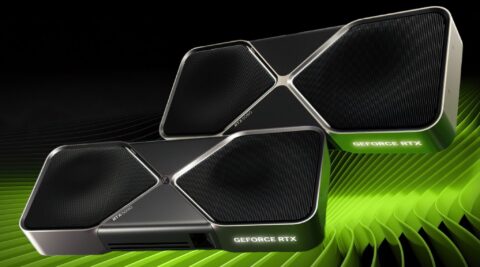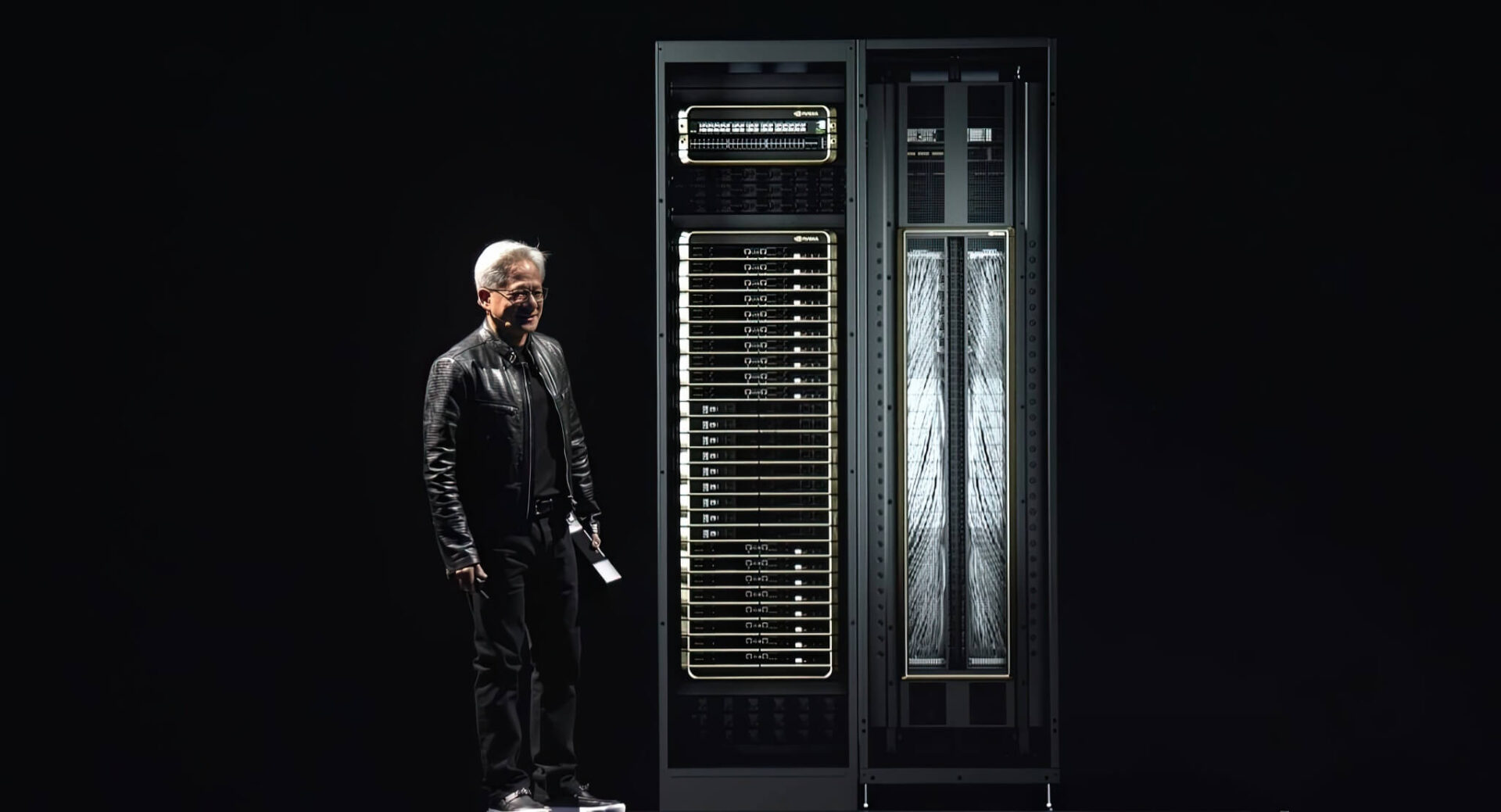
The arms race in artificial intelligence has entered a new chapter as NVIDIA officially shows off the muscle of its Blackwell Ultra GB300 NVL72 supersystem. In real-world tests with the latest open-source models from DeepSeek, the GB300 proved to be more than a simple upgrade: it is a leap forward in large-scale data processing performance. As tech giants shift hard toward "agentic AI" (Agentic AI), where machines must process enormous volumes of information in real time, the GB300 is the most convincing answer so far. The system's biggest selling point is its ability to hold a remarkable processing speed even under the most complex demands, which removes the worry about latency, long the largest barrier for today's large language models.
Long-Context Processing and a Revolution in Speed
If you are looking for a system that can "read" millions of lines of data in the blink of an eye, the GB300 will amaze you. In tests run by the LMSYS organization, the Blackwell Ultra system showed a decisive advantage over its predecessor, the GB200, especially in tasks that require long-context processing. Rather than becoming overloaded as the volume of input data grows, the GB300 uses a very smart Prefill-Decode separation mechanism (PD Disaggregation). This approach splits the workload across different hardware nodes and avoids the "bottlenecks" commonly seen elsewhere. As a result, both the stage that processes the incoming prompt and the stage that generates the response are optimized to the fullest, giving an instant-response feel, as if you were talking with a real person.

It does not stop there. Integrating Multi-Token Prediction (MTP) has pushed the serving speed for users to an almost unbelievable level. The numbers don't lie: the GB300 delivers 1.53 times higher peak throughput and 1.87 times faster real-world response speed for users compared with the GB200. For you, this means future AI applications will no longer freeze or crawl out answers one word at a time, but will deliver complete results almost immediately after receiving a request. It is a remarkable evolution, turning dry server systems into electronic brains that think faster than ever.
Top-Tier Hardware Performance and Long-Term Value
Looking deeper at the hardware, NVIDIA Blackwell Ultra brings a striking figure: 50 times more throughput per megawatt of power consumed compared with the older Hopper generation. This not only saves hyperscale data centers a huge amount of electricity but also sustains durable performance over long periods without thermal problems. Notably, the GB300 improves latency by up to 58%, an extremely important figure for agentic AI environments, where every millisecond of delay can lead to errors in decision-making. The combination of a groundbreaking hardware architecture and KV capacity translation optimization algorithms has made the GB300 a top choice for large-scale cloud service providers.

Although the upfront deployment cost of the GB300 NVL72 system will certainly be higher than earlier generations, the long-term value it delivers is well worth it. High throughput means businesses can serve more users on the same unit of hardware, which optimizes operating costs over time. One small caveat for you, though: the industry has yet to publish a concrete figure for total cost of ownership (TCO), so investing in Blackwell Ultra calls for a clear financial strategy. But given how thoroughly it dominates latency-sensitive environments, it is clearly the strategic card that lets tech companies break away in the global AI race.
In short, the NVIDIA Blackwell Ultra GB300 is not just a server rack packed with expensive components, but an engineering marvel that reshapes how we interact with artificial intelligence. Its superiority in throughput and latency makes it the "king" of today's DeepSeek and agentic AI workloads. The practical advice for you is to start paying attention to cloud services built on this platform, because that is where the smoothest and smartest AI experience humans have ever created will be found. Would you like me to help analyze further how to optimize costs when running language models on this Blackwell platform?