

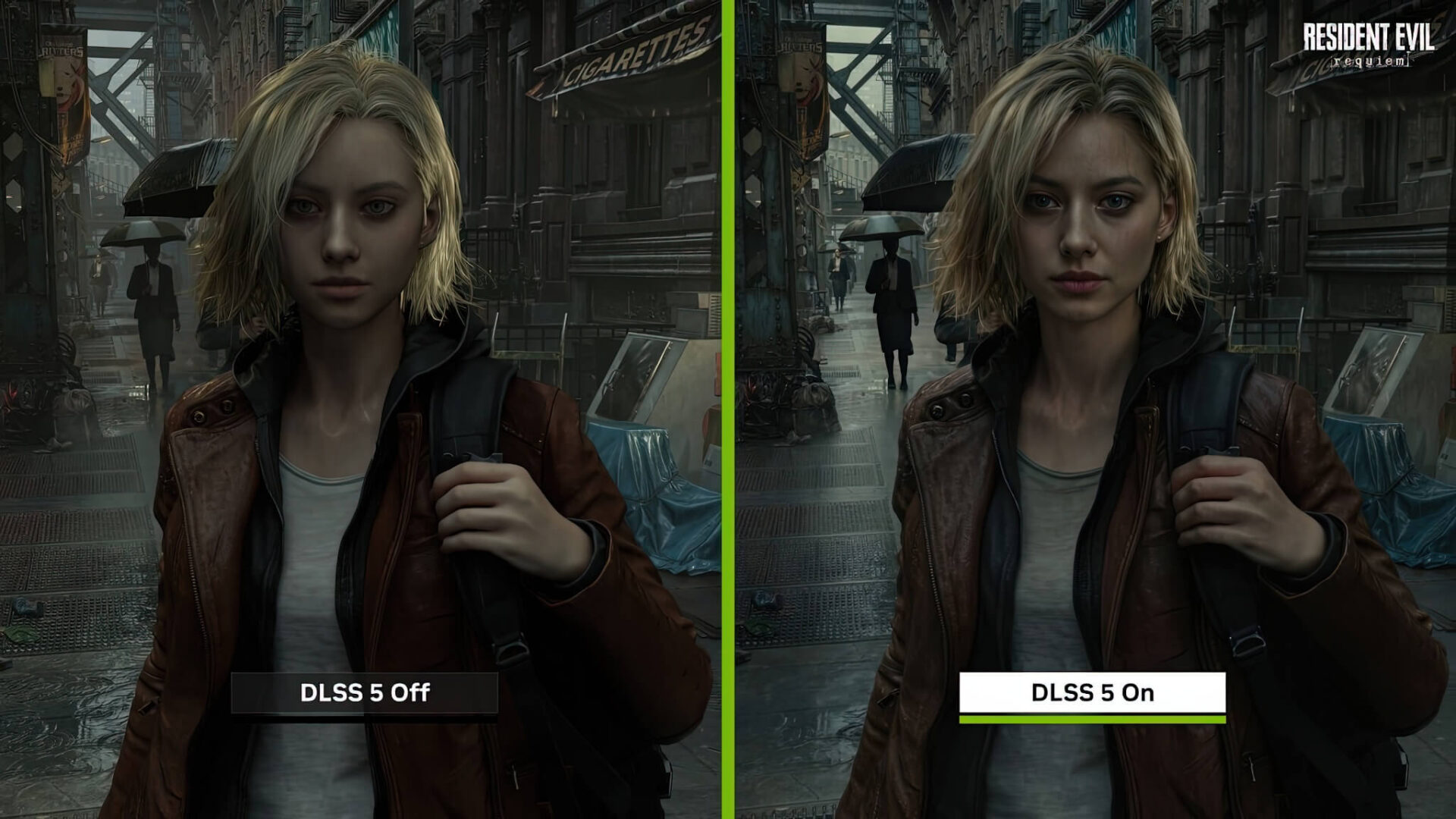
At the recent GTC 2026 event, Nvidia CEO Jensen Huang stunned the tech world by unveiling the next chapter of the computer graphics era: DLSS 5. This is not just a routine update but a true revolution, applying Generative AI to restructure lighting and imagery within games. Unlike previous versions that focused on increasing resolution or frame interpolation, DLSS 5 intervenes deeply into lighting models, bringing a spectacular visual transformation to masterpieces like Resident Evil Requiem or Starfield. In reality, Nvidia aims to turn mainstream PCs into Hollywood-level visual effects processing machines. However, this "divine" transformation is also sparking heated debates over whether AI is intervening too deeply into the artistic intentions of game developers.
Nvidia DLSS 5 and the distinct visual experience from Generative AI
The most valuable aspect of DLSS 5 is its ability to completely change how we perceive environments and characters in games. Instead of just making images sharper, this technology uses AI to recalculate how light interacts with materials. By helping you see character skin become flushed and naturally translucent under sunlight rather than looking like wax, DLSS 5 has significantly upgraded processes such as subsurface scattering and material interaction. When experiencing actual demos of Resident Evil Requiem, viewers were easily overwhelmed by a level of detail and glossiness that far exceeds traditional rendering methods. This allows you to work with crystal-clear, cinematic scenes, providing a deeper sense of immersion than ever before.
https://www.youtube.com/watch?v=4ZlwTtgbgVA
It doesn't stop there; the graphic style brought by DLSS 5 reminds many of the high-quality AI videos flooding social media. However, this "too perfect" and polished appearance is exactly what has caused concern among a segment of the gaming community. Many argue that Nvidia is applying an "AI filter" over the original work, stripping away the unique style that game artists have painstakingly built. In practice, while hyper-realistic games like EA Sports FC benefit greatly from this realism, fantastical or stylized worlds like those in Hogwarts Legacy or Starfield run the risk of falling into the "uncanny valley," where everything looks so real that it becomes unsettling. This is a balancing act that Nvidia and its partners must solve if they want this technology to be widely embraced.


RTX 50 series hardware power and the real-world performance equation
Delving into hardware power analysis, DLSS 5 is designed to fully leverage the new architecture on the RTX 50 series graphics cards, expected to launch this fall. Unlike "imagining" new objects, DLSS 5 operates based on actual motion vectors and color data from the game, ensuring consistency and avoiding the "hallucinations" commonly seen in AI. The most significant highlight is the strong support from industry giants like Ubisoft, Capcom, and Bethesda. Masterpieces such as Assassin's Creed Shadows or the Remastered version of The Elder Scrolls IV: Oblivion will be among the first to support this technology, promising a comprehensive visual upgrade without requiring developers to rewrite the entire game source code.
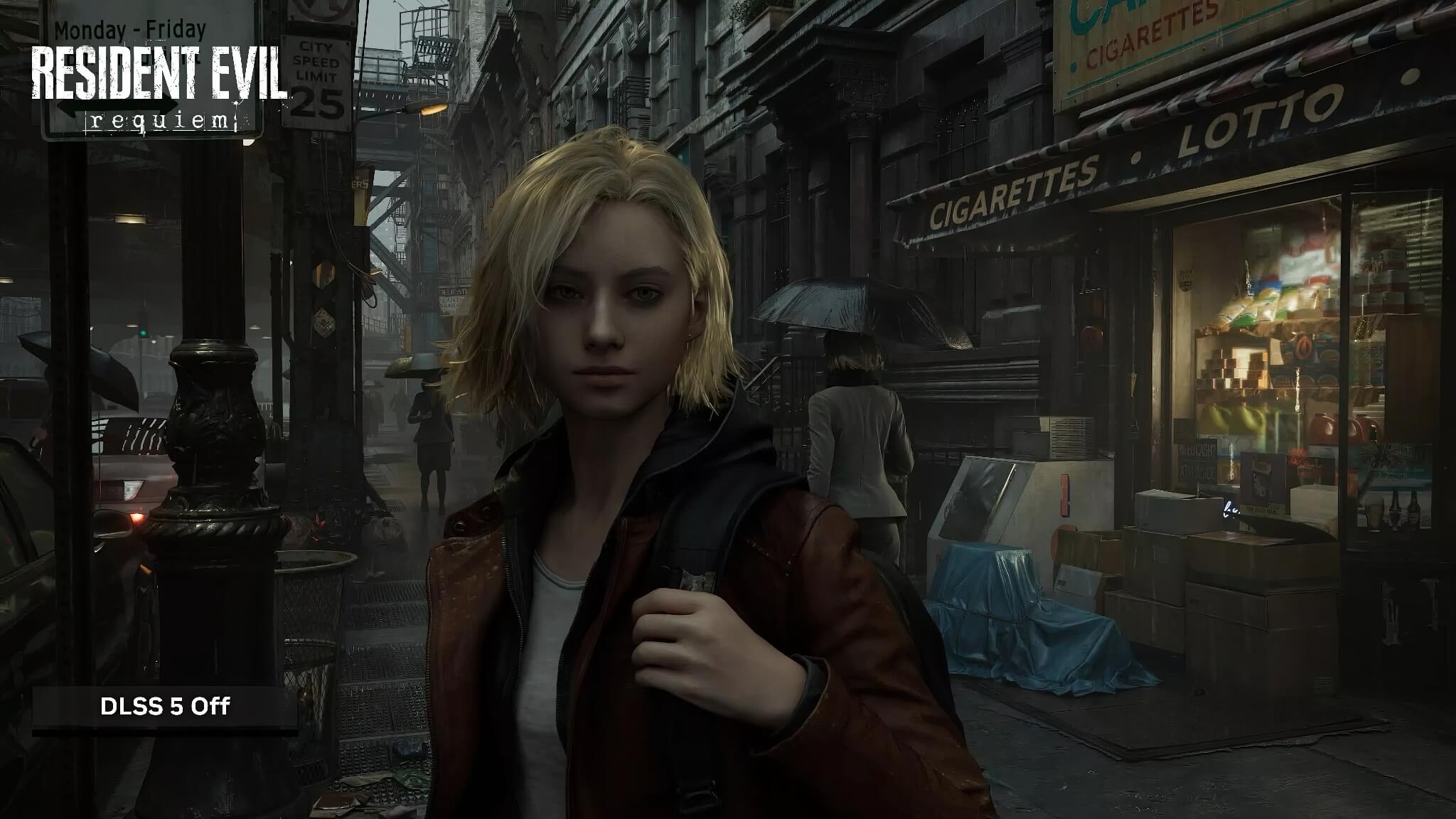
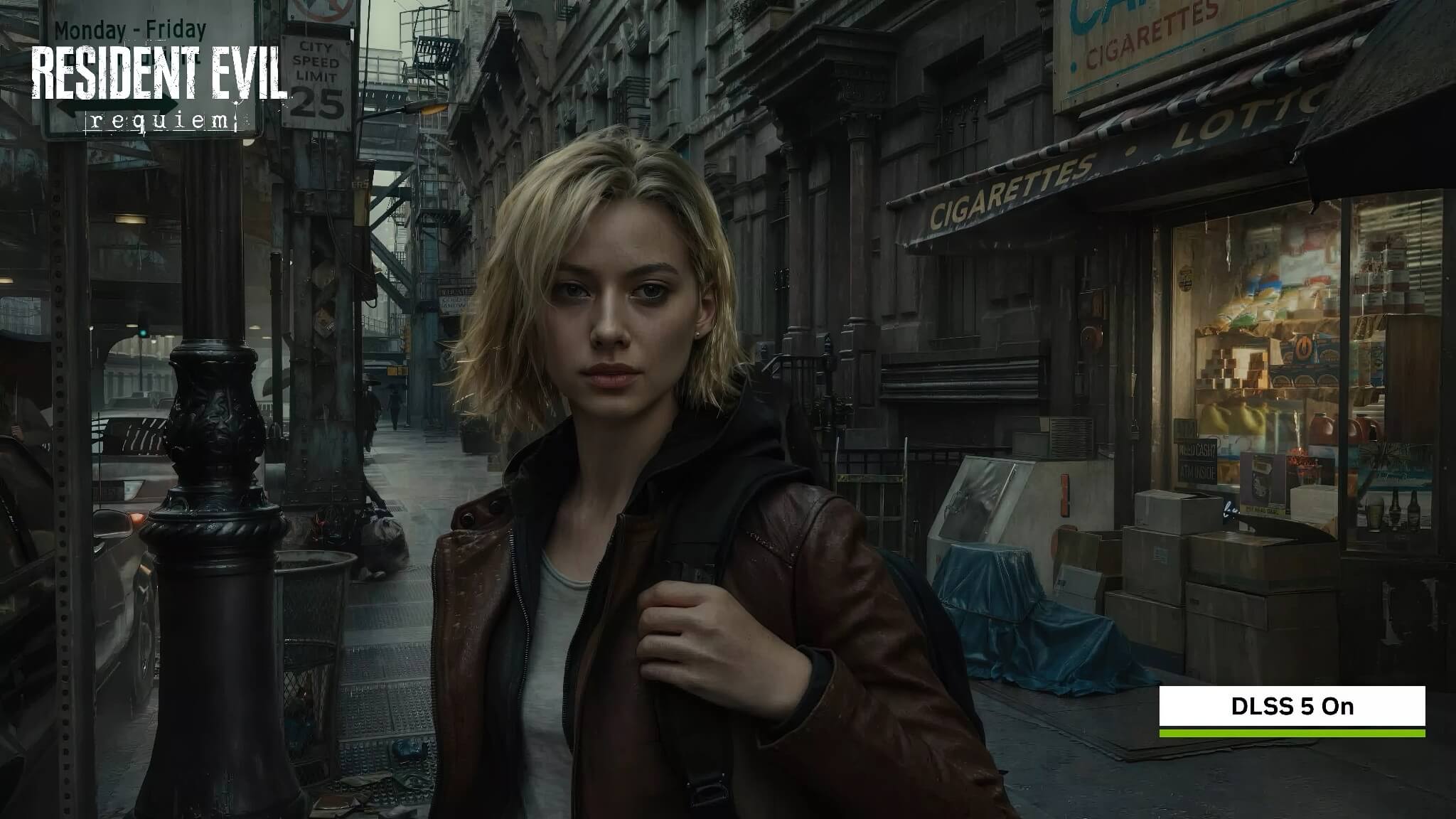
However, a major question remains open: the cost of hardware resources. In the GTC demonstration, it was revealed that Nvidia had to use two RTX 5090 graphics cards running in parallel, with one dedicated solely to processing DLSS 5 tasks. This has led many to wonder whether a single card can handle this massive computational workload when the product officially reaches consumers. If you are planning to upgrade your rig to stay ahead of this technology, my practical advice to you is to wait patiently for performance reviews on independent hardware. The combination of DirectStorage to reduce loading times and DLSS 5 for image processing will create a perfect "dynamic duo," but only if it doesn't require an excessively luxury configuration beyond the reach of the majority of gamers.
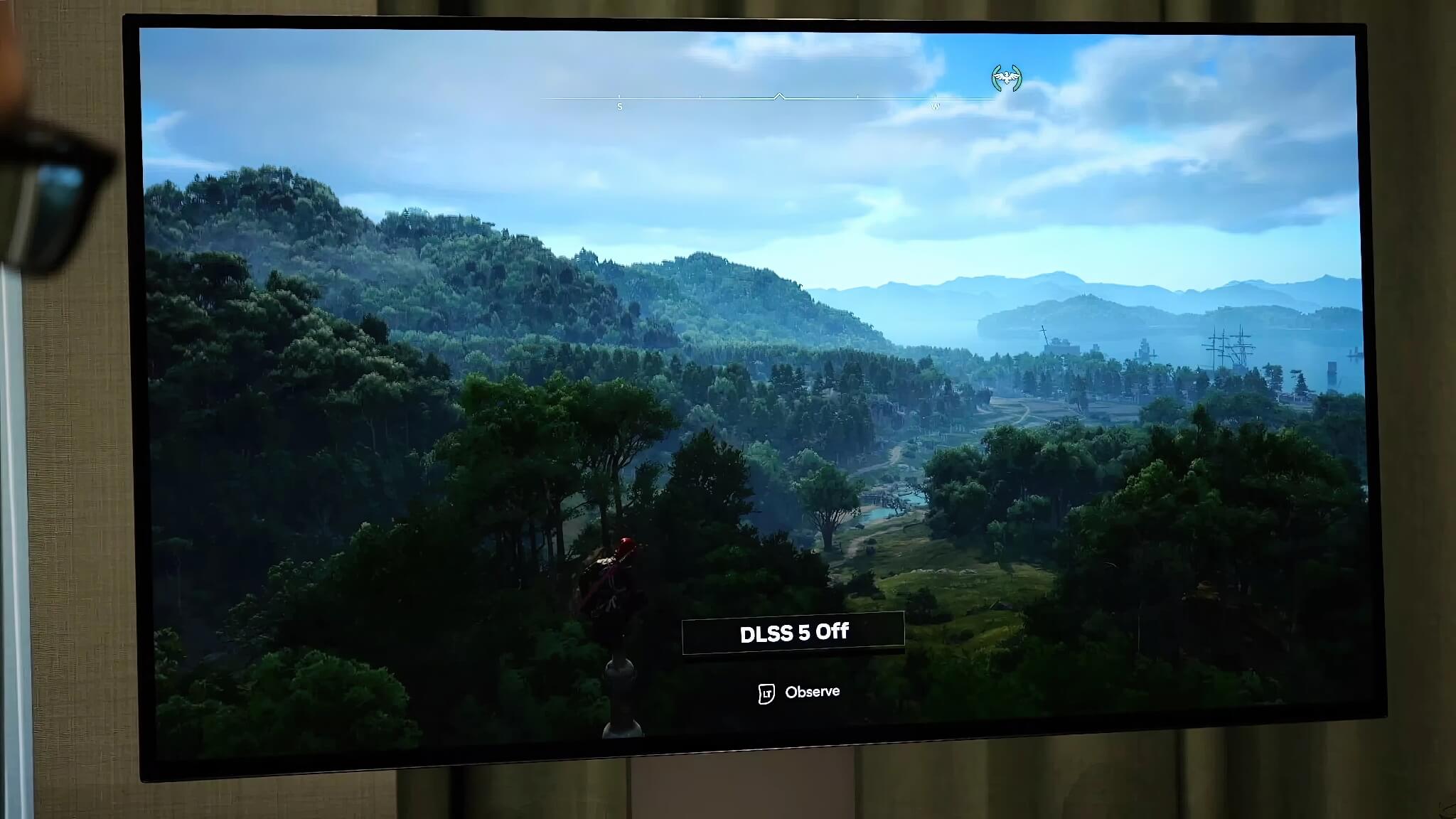
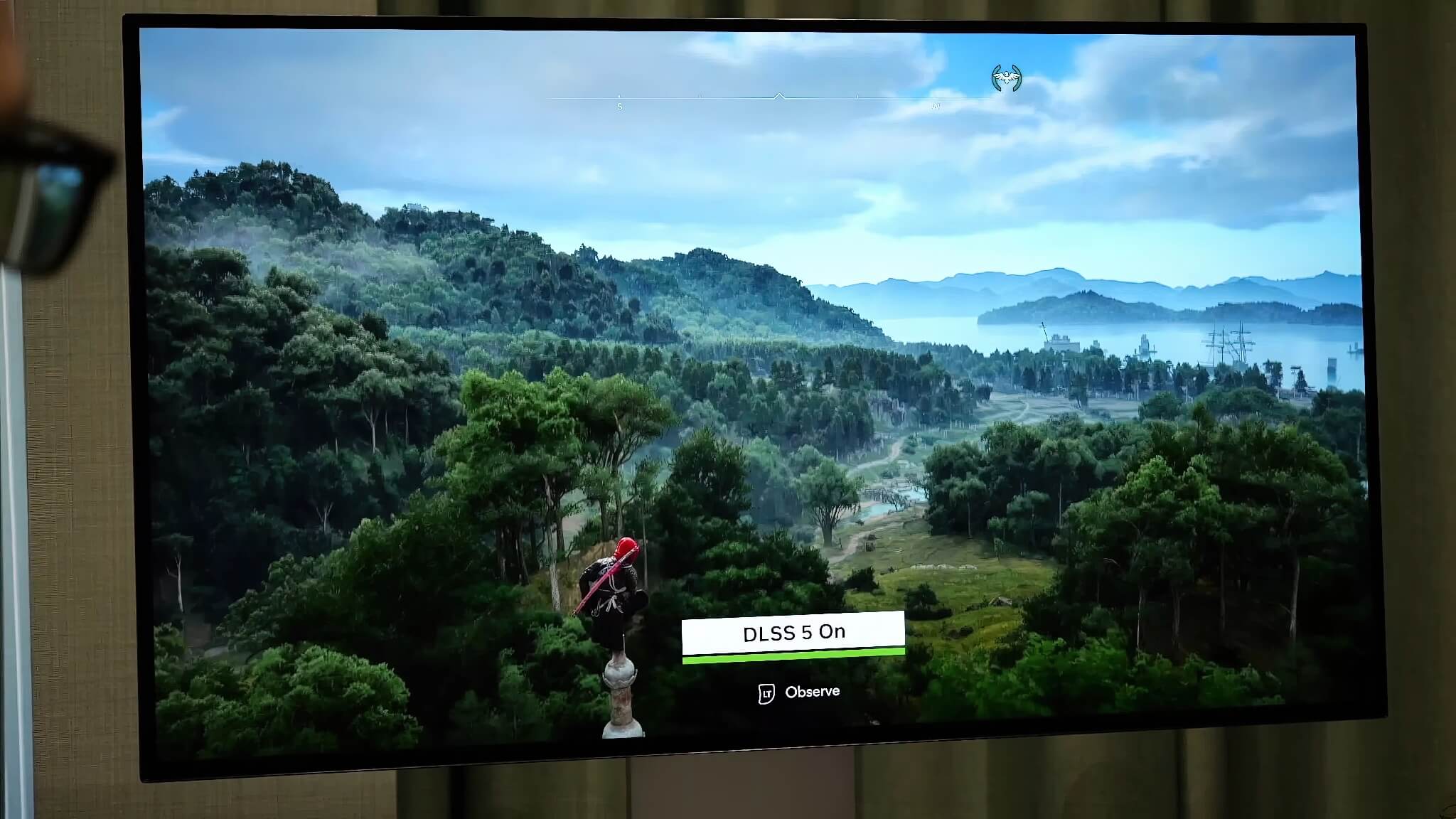
The long-term value of DLSS 5 lies in the fact that it opens a new path for the gaming industry: instead of an arms race by increasing polygon counts-which consumes massive resources-developers can focus on optimizing lighting through AI to achieve equivalent results. Tools to adjust the intensity, tone, and influence areas of DLSS 5 will also be provided to game developers, helping them preserve their artistic identity while still leveraging the power of Generative AI. This is an ambitious move by Nvidia to maintain its dominant position in the discrete graphics card market amidst increasingly fierce competition from other rivals.
In summary, Nvidia DLSS 5 is clear evidence of how rapidly AI is changing the graphics game. My practical advice to you is to start following news about the RTX 50 series right now, as this will be the sole key to touching the future of generative graphics. Would you like me to provide a more detailed analysis of the power supply and cooling system requirements needed to prepare for installing these new generation RTX graphics cards?