
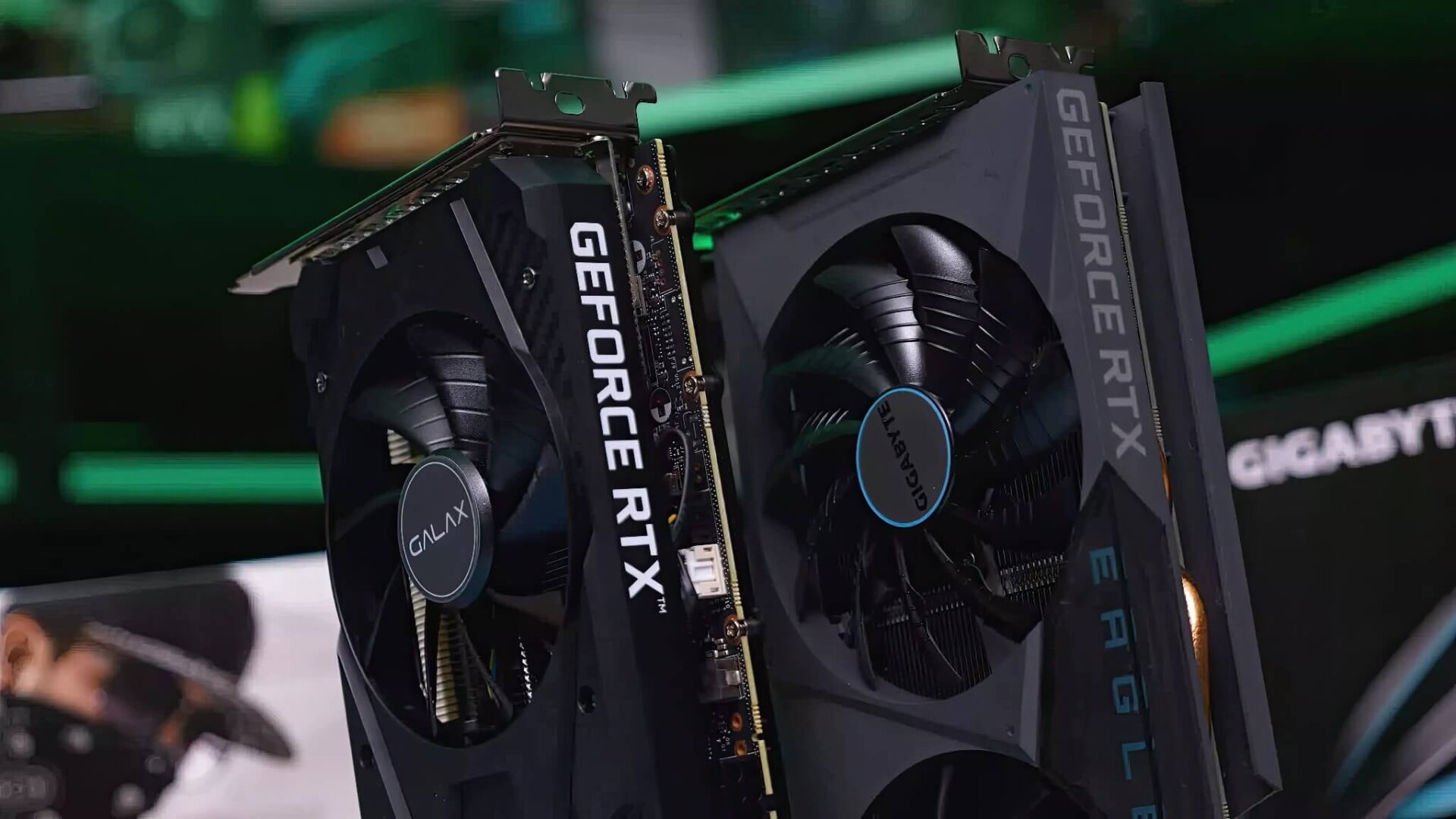
Nvidia, the tech giant, is facing worrying forecasts from analysts suggesting the company will significantly cut graphics card production next year. The memory shortage caused by the Artificial Intelligence (AI) craze is forcing hardware manufacturers to adjust their strategies, with competitor AMD expected to only implement slight price increases. However, Nvidia's decision to cut supply is seen as a much more aggressive move that could shake the PC gaming market.
Rumors of Nvidia Production Cuts and Affected Models
According to unconfirmed reports from the Board Channels forum-a frequent source of insider information from motherboard and graphics card partners-Nvidia is seriously considering a production cut for the RTX 50 series GPU lineup. The proposed reduction is massive, ranging from 30% to 40% in the first half of 2026. This decision is likely driven by the scarcity of memory components, which could make purchasing certain graphics card models as difficult as it was during their initial launch.
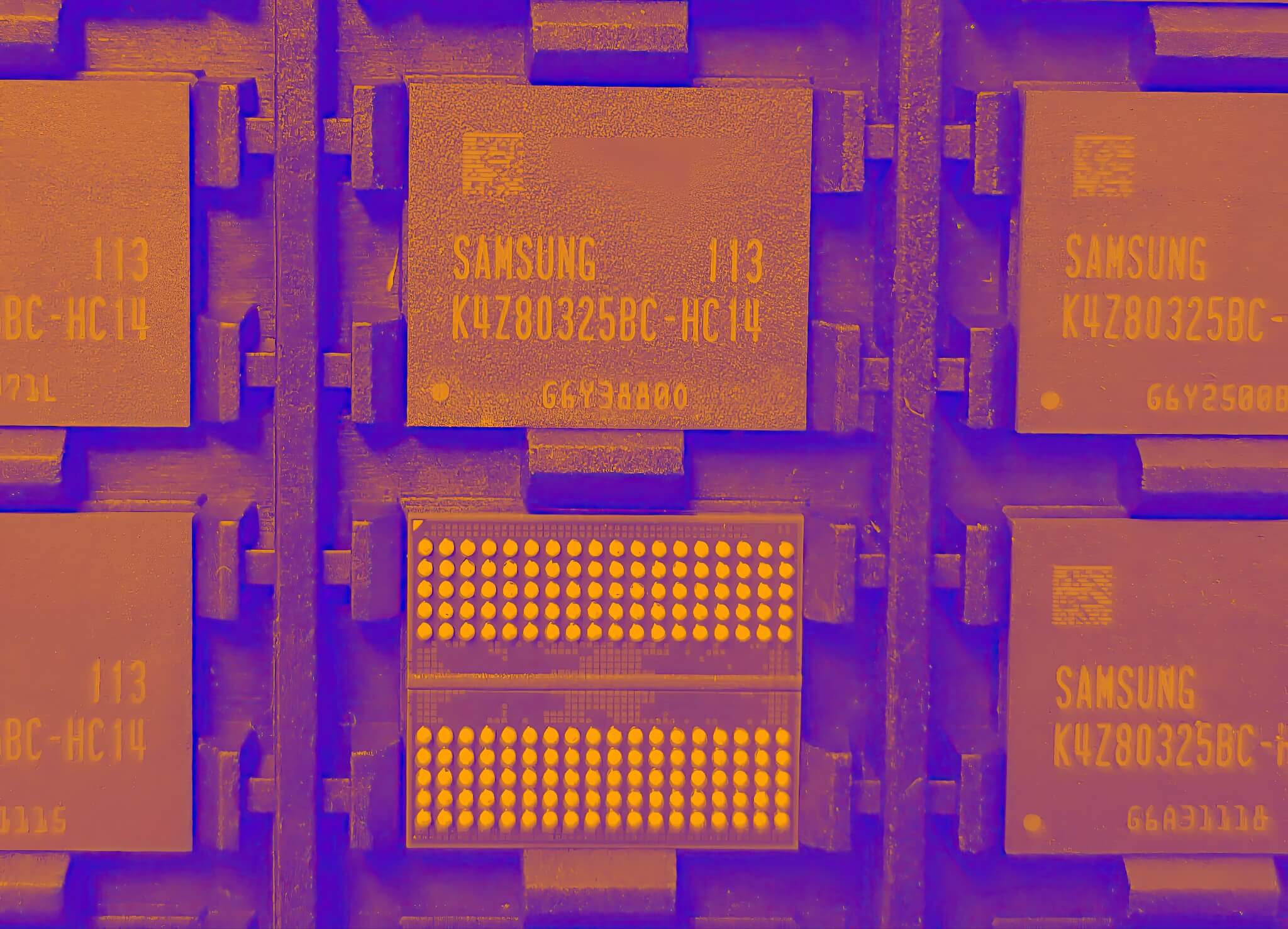
Another source, Benchlife, has also partially confirmed this information. Although they did not provide specific figures regarding the scale of the adjustment, their sources claim that the cuts will directly target mid-range and upper mid-range card models, specifically the RTX 5070 Ti and RTX 5060 Ti. However, readers should note an important detail: both of these rumor streams originate from sources in Asia. Therefore, this situation may reflect market conditions in mainland China and may not accurately represent the entire global market picture.
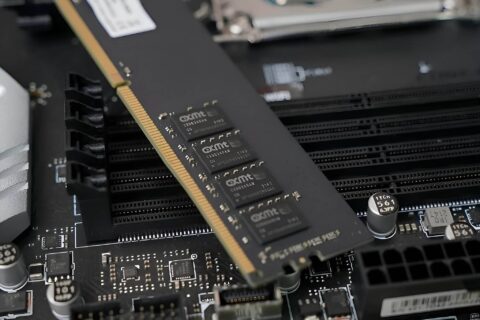
If these reports are accurate, they would align perfectly with previous rumors that both AMD and Nvidia might cease production of certain budget and mid-range graphics card lines due to video memory (VRAM) shortages. It is worth noting that memory accounts for a large portion of the bill of materials for low-end GPU lines, and both the RTX 5070 Ti and 5060 Ti are cards equipped with 16GB of memory-a relatively large and expensive figure in the current context.
Root Causes: The AI Craze and the Memory Shortage Crisis
Nvidia's decision to use the most advanced GDDR7 memory technology for the RTX 50 series has contributed to supply constraints and pushed prices higher right at its launch in early 2025. Although these GPU models are currently available on the market at relatively affordable prices, supply capabilities are forecasted to worsen next year. Consequently, experts suggest that the upcoming year-end holiday season could be the golden time for users to upgrade their systems before the price storm hits.
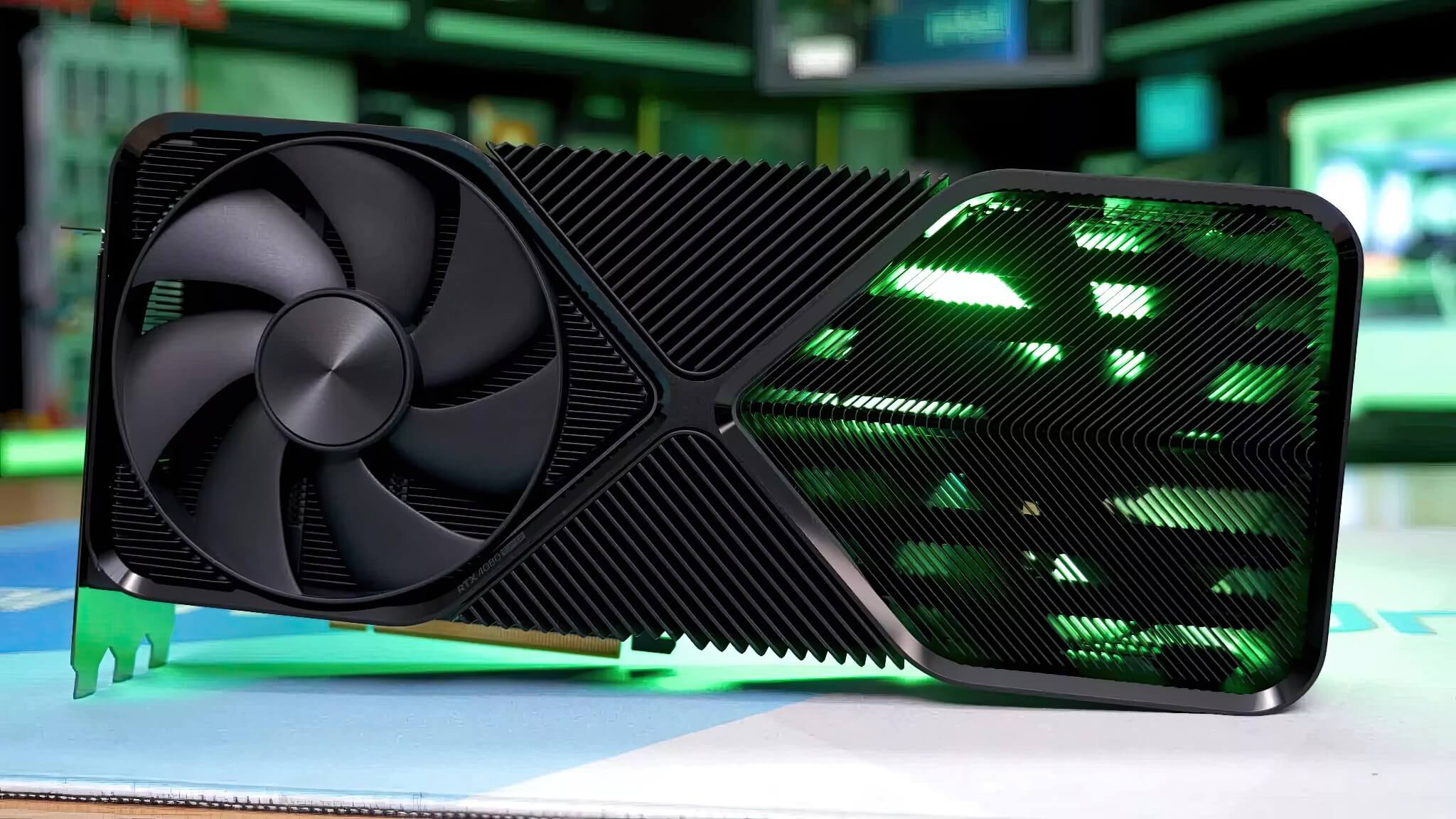
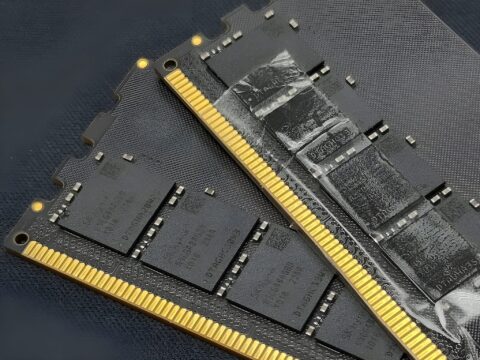
The main driver behind this scarcity is nothing other than the massive demand from the AI sector. AI data center construction plans have "soaked up" most of the remaining DRAM and NAND production capacity from leading manufacturers like Samsung and SK Hynix. Gloomy forecasts suggest this shortage could persist until 2027 or even 2028. As a result, not only graphics cards, but also upcoming smartphone and laptop lines may see reduced RAM capacities compared to previous generations. Even the Nintendo Switch 2 faces the risk of price increases, and the famous memory brand Micron/Crucial has announced its withdrawal from the consumer RAM segment after three decades of operation.
Chain Reaction Impact on the Entire Computer Hardware Market
In the graphics card market, AMD is forecasted to pass increased memory costs on to consumers, with price hikes potentially starting as early as next January. This is unwelcome news for "Team Red" fans waiting for products with good price-to-performance ratios.
On Nvidia's side, the impact of this crisis could also affect future product roadmaps. There is information suggesting that the company might delay or even completely cancel the RTX 50 Super series. Previously, this upgraded product line was expected to launch in 2026 with impressive VRAM capacities: 18GB for the RTX 5070 and up to 24GB for the 5070 Ti and 5080 models. However, with current escalating memory prices, producing such "excessive" memory versions may no longer be an economically viable equation for Nvidia.
In summary, the computer hardware market in the coming year faces unprecedented massive challenges. The fierce competition for component supply between the AI sector and the consumer sector is putting end-users in a difficult position. If you are planning to build a new computer, acting early could help you save a significant amount of money and avoid shortages in the near future.