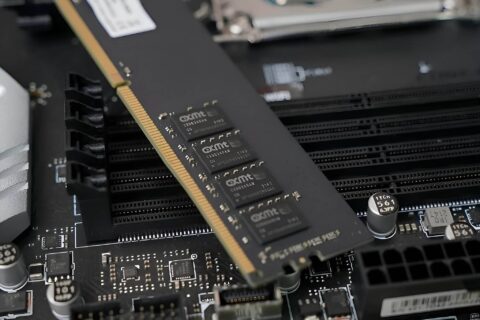

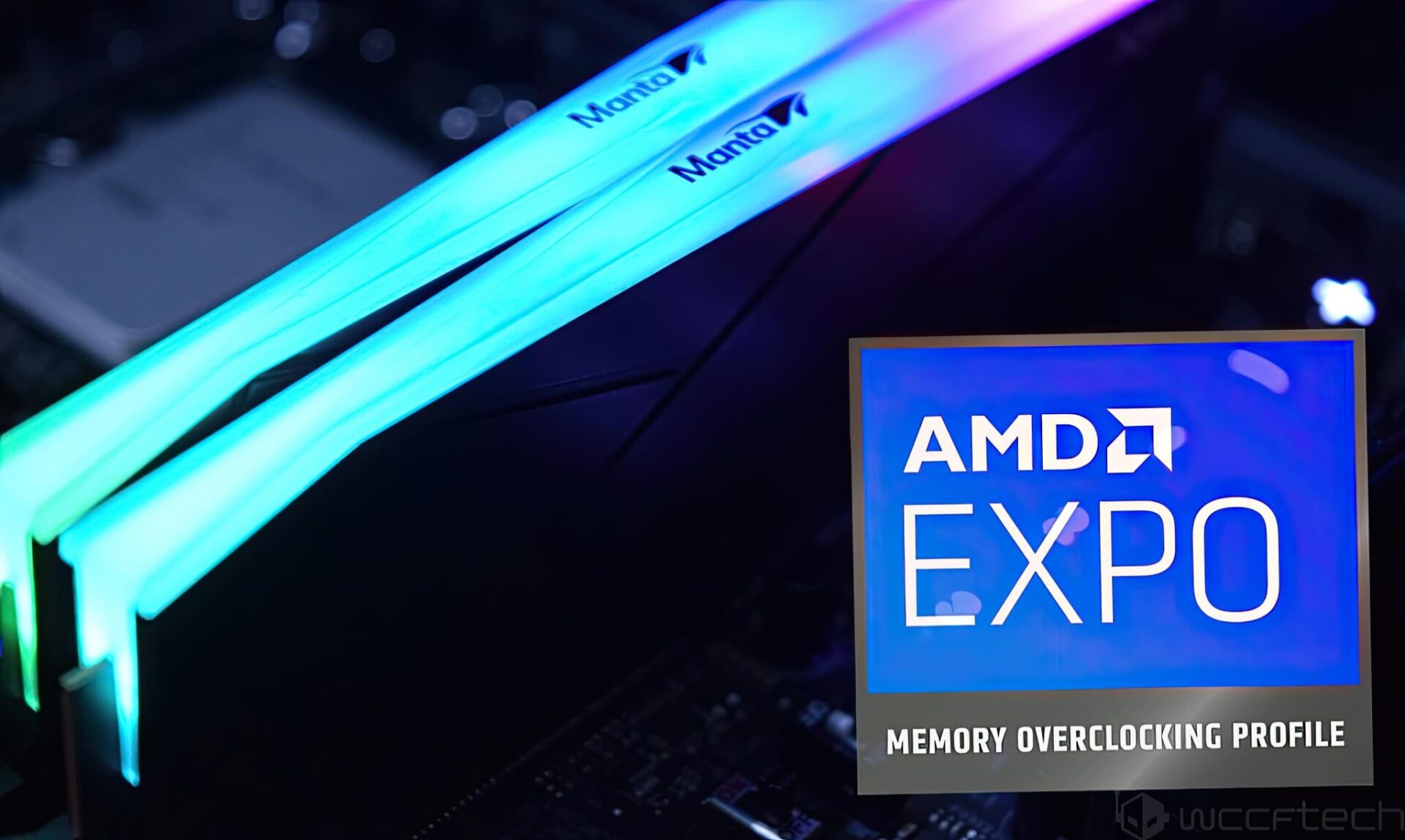
AMD is quietly preparing for its next big leap in memory performance optimization with the EXPO 1.20 technology version, promising more powerful and stable DDR5 overclocking profiles for users. Beyond software, the latest leaks also indicate that this microprocessor giant is planning to support high-speed CUDIMM memory standards on the AM5 socket platform next year, aiming to compete directly with rivals in the high-end desktop market.
Upgrading EXPO 1.20 technology and the future of Ryzen APU
Since AMD officially introduced the AM5 socket platform, the company has also launched DDR5 memory technology called EXPO. Essentially, this is a solution that provides a list of pre-set memory overclocking profiles specifically optimized for Ryzen processors. This technology is designed to replace the outdated AMP standard and compete with XMP-a standard often closely associated with Intel platforms. Although current AM5 motherboards support both EXPO and XMP, AMD's EXPO technology offers an advantage with "one-click" overclocking capabilities that are more finely tuned for the Red Team's ecosystem.

Recently, through the latest Beta version of the famous hardware monitoring software HWiNFO (version v8.35), the tech community discovered that AMD is preparing an important update named "EXPO 1.20". Although no specific technical details have been released, it is highly likely that this version will be introduced alongside refreshed AM5 motherboard lineups, bringing much better DDR5 memory support compared to current limitations.
Currently, AMD's motherboard manufacturing partners have fine-tuned the AM5 platform with the latest AGESA firmware updates, allowing support for DDR5 RAM sticks with speeds exceeding 8000 MT/s. In fact, in certain specific cases when combined with Ryzen 8000G series Accelerated Processing Units (APU), memory speeds can reach up to 10,000 MT/s thanks to the extremely powerful Integrated Memory Controller (IMC). However, the emergence of EXPO 1.20 is predicted to be an essential preparation for the new APU family, reportedly codenamed Ryzen 9000G.
These Ryzen 9000G processors are based on the "Strix" architecture, featuring a monolithic design that combines Zen 5 CPU cores, RDNA 3.5 graphics cores, and an XDNA 2 NPU optimized for AI. These chips are expected to launch in the first half of 2026, and the new memory profiles from EXPO 1.20 will play a crucial role in unlocking their full potential.
CUDIMM memory support and the component pricing problem
In addition to software improvements, information from motherboard manufacturers has revealed more good news for the AMD user community. Although not part of the EXPO 1.20 feature set, AMD is actively working to add support for the CUDIMM (Clocked Unbuffered DIMM) memory standard on its future CPU platforms. Fortunately, the current AM5 socket platform will be retained, but CUDIMM support is expected to be introduced alongside the Ryzen family based on the Zen 6 architecture in the second half of 2026.
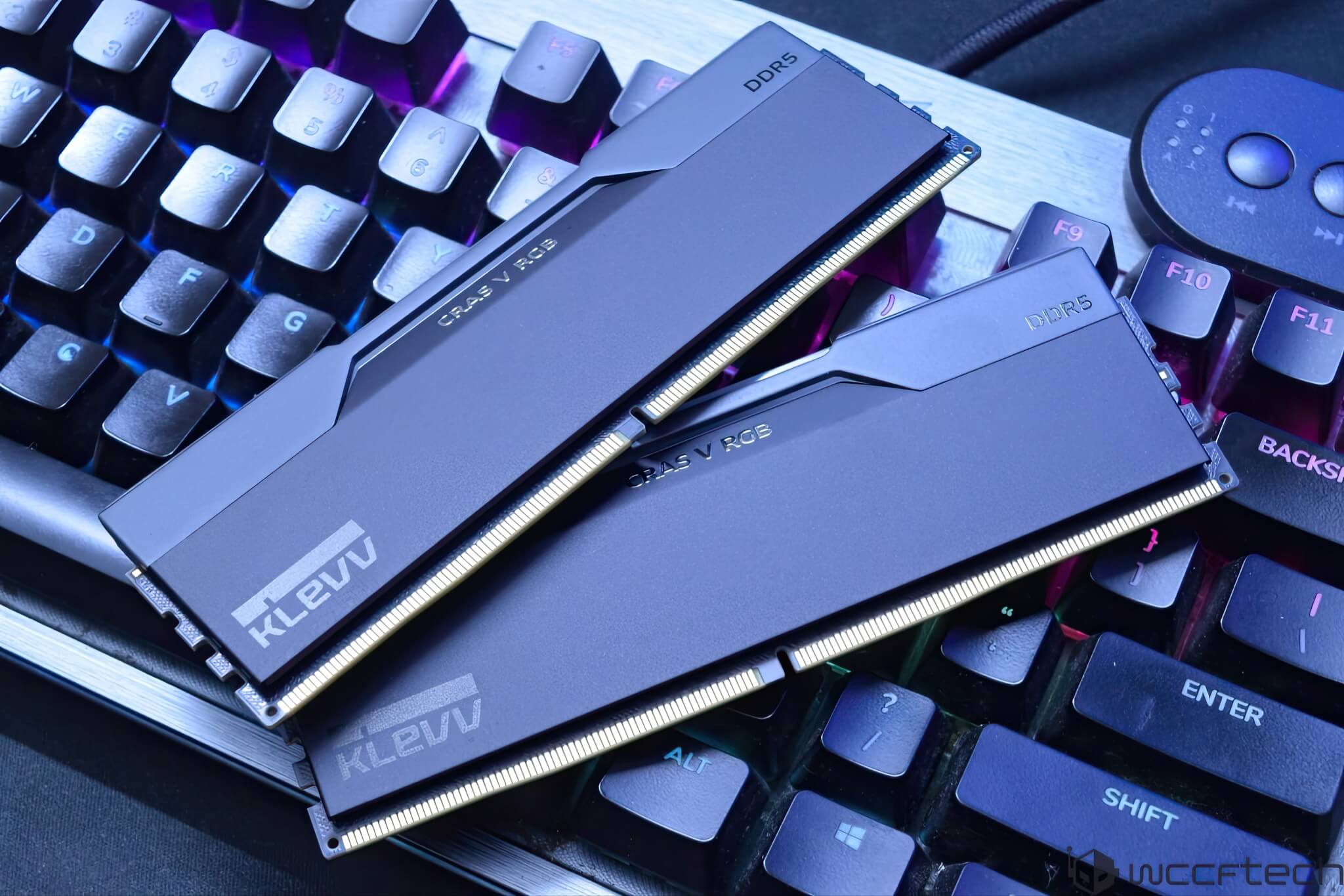
This move will help AMD achieve feature parity in memory with Intel's desktop product lines, which began supporting CUDIMM memory last year. Intel is also currently striving to enhance CUDIMM support on the Arrow Lake Refresh lineup and will push even further when the next-generation desktop platform, Nova Lake-S, launches in the second half of 2026.
While these new technologies promise to pave the way for better DDR5 support and higher speeds on both Intel and AMD platforms, pricing remains a major concern for hardware enthusiasts. Component shortages are forecasted to persist for several years due to the Artificial Intelligence (AI) craze, which will drive the price of RAM (DIMM) sticks up by 2 to 3 times. A prime example is CUDIMM memory, which cost around 400-500 USD a few months ago, has now escalated to the 800-1000 USD range. Experts predict that this upward price trend will continue throughout 2026, posing a significant challenge to consumers' wallets.