
The two giants in the tech industry, Intel and Nvidia, have officially turned long-standing rumors into reality through a strategic partnership agreement, closely tied via a stock swap deal worth up to $5 billion. This historic handshake comes at a time when the Artificial Intelligence (AI) craze is reshaping the entire global semiconductor industry. While the most groundbreaking products from this collaboration may still take a few years to hit the market, Nvidia has already begun recording significant paper profits from this savvy investment.
Stock investment deal and massive financial gains
According to recently released legal filings, Nvidia has completed the acquisition of approximately 215 million Intel shares at a fixed price of $23.28 per share. This major transaction received approval from the U.S. Federal Trade Commission (FTC) earlier this month. It is understood that the preliminary agreement was reached in September between Nvidia CEO Jensen Huang and Intel CEO Lip-Bu Tan. This is not merely a simple financial investment but a commitment to a partnership between two leading powers in processors and graphics.
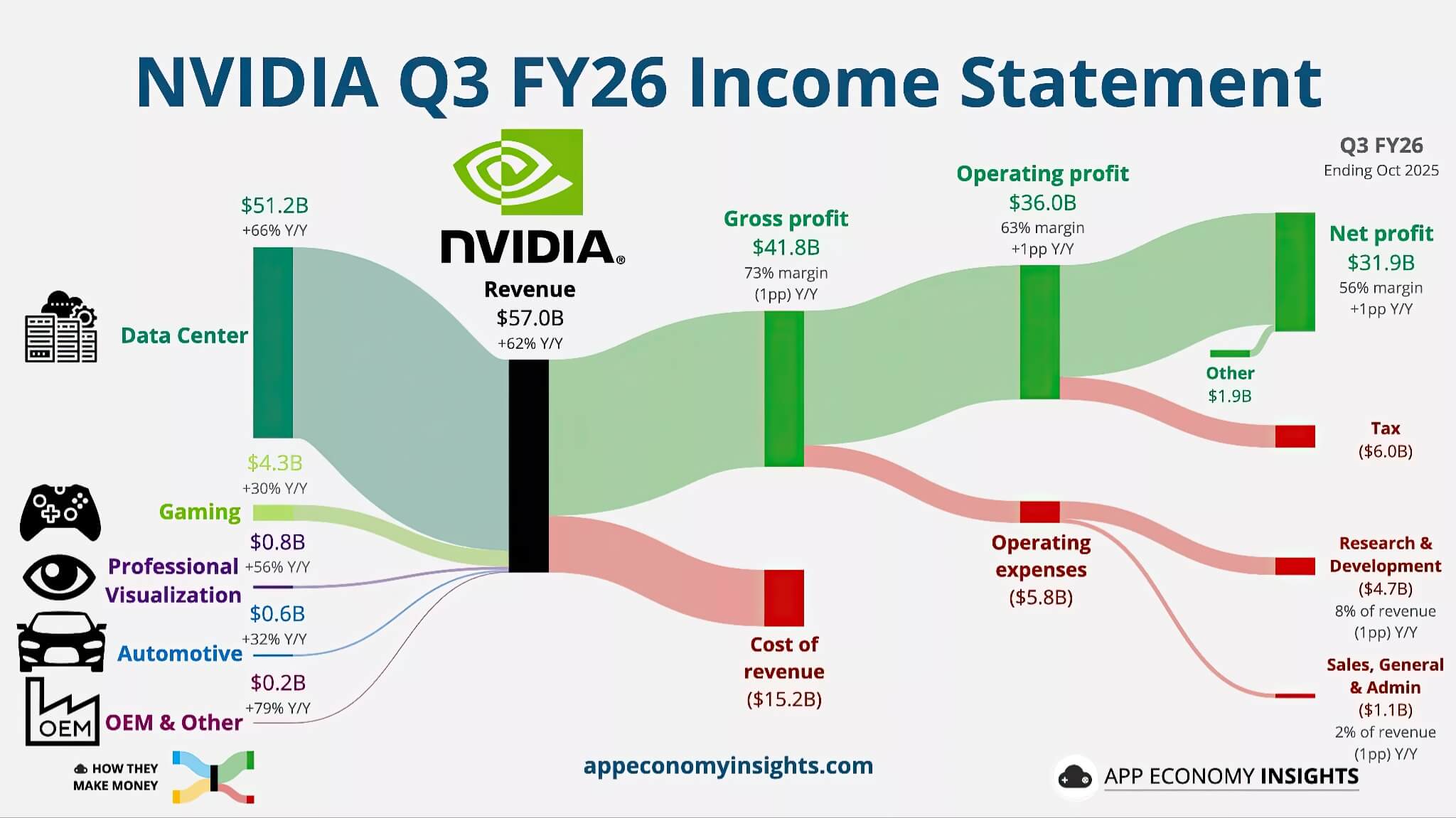
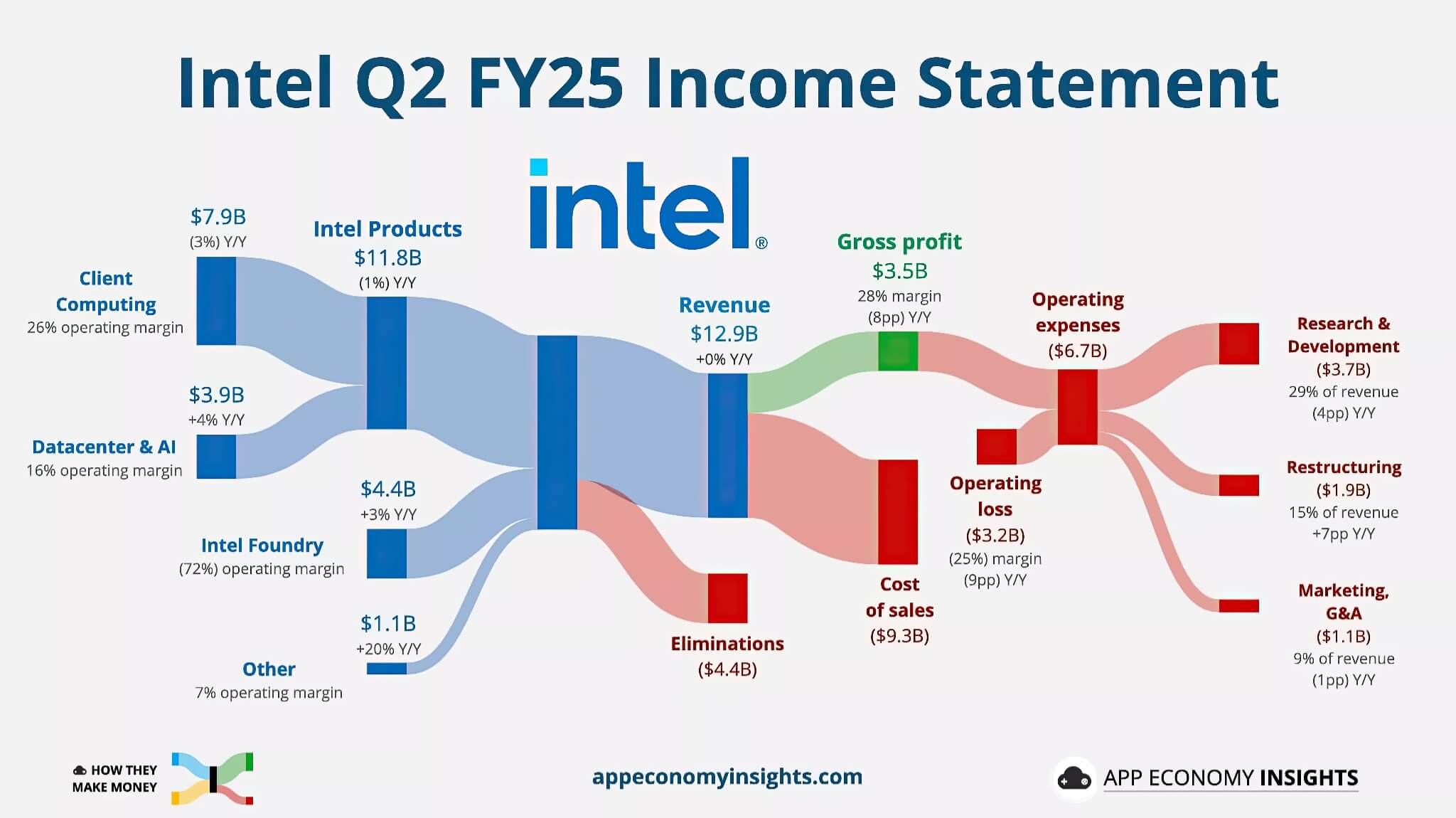
Since the agreement was established, Intel's stock price has seen spectacular growth. The company's shares closed at $36.68 on Monday and were trading around the $38 mark at the time of this article. This price surge has pushed the value of the equity held by Nvidia much higher than the original $5 billion investment. Although these are still unrealized gains (paper profits), they highlight how rapidly market sentiment toward Intel has turned positive following Nvidia's backing.
However, far beyond immediate financial benefits, this deal lays a solid foundation for deeper technical collaboration than ever before. Both Intel and Nvidia have announced plans to co-develop shared platforms and System-on-a-Chip (SoC) designs across "multiple generations." Their goal is to target both core markets: massive data center infrastructure and the consumer personal computing market.
Deep technical collaboration and regulatory response
Technically, the data center segment is expected to be the first to benefit from this partnership. The two companies plan to utilize Nvidia's proprietary NVLink high-bandwidth interconnect technology to create tighter integration between Nvidia's Graphics Processing Units (GPUs) and Intel's x86 architecture Central Processing Units (CPUs). The ultimate goal is to provide superior alternatives to existing CPU-GPU pairs that rely on traditional PCI Express connections, especially to serve AI workloads that demand extremely high data transfer speeds.
For the consumer market, Intel and Nvidia have signaled interest in SoC-style designs, directly combining Intel's CPU with Nvidia's powerful RTX graphics on a single chip. If this becomes a reality, these "hybrid" chips could directly challenge AMD's APU lines by bringing discrete-level graphics features into smaller, more affordable computing systems.
Another notable aspect of the Intel-Nvidia deal is the relatively "lenient" response from regulators. The FTC's approval of this stock agreement stands in stark contrast to Nvidia's failed attempt to acquire Arm in 2021, which was blocked by regulators due to competition concerns. At that time, Chair Lina Khan argued that the merger would hinder market competition. However, the current FTC, under the influence of the Trump-era leadership direction, has adopted a very different approach. This time, regulators appeared comfortable with a minority stake and a collaborative development roadmap rather than full business ownership.
At this moment, this partnership remains more promising than actual products. But with Nvidia tightening its ties with Intel both financially and technologically, the two companies are positioning themselves for a future where CPUs and GPUs are no longer developed in isolation, but will blend together to create a new synergy.