

Google's specialized TPU processing chips are becoming the focus of global tech attention thanks to their impressive performance and cost optimization capabilities, but the giant's market expansion ambitions are facing an unprecedented supply chain hurdle that could stifle growth right from the start.
The appeal of the Ironwood chip series and manufacturing challenges
In today's Artificial Intelligence (AI) computing world, interest in Application-Specific Integrated Circuits (ASICs) is growing more than ever. The main reason lies in the belief that in the next layer of AI applications, specifically the inferencing stage, chips like Google's TPU will hold a dominant advantage due to their ability to deliver better Total Cost of Ownership (TCO) and more powerful processing performance. Following the impressive debut of the 7th generation TPU chip series codenamed "Ironwood," several big names in the tech industry, such as Meta and Anthropic, have expressed deep interest in integrating these ASIC lines into their workloads.
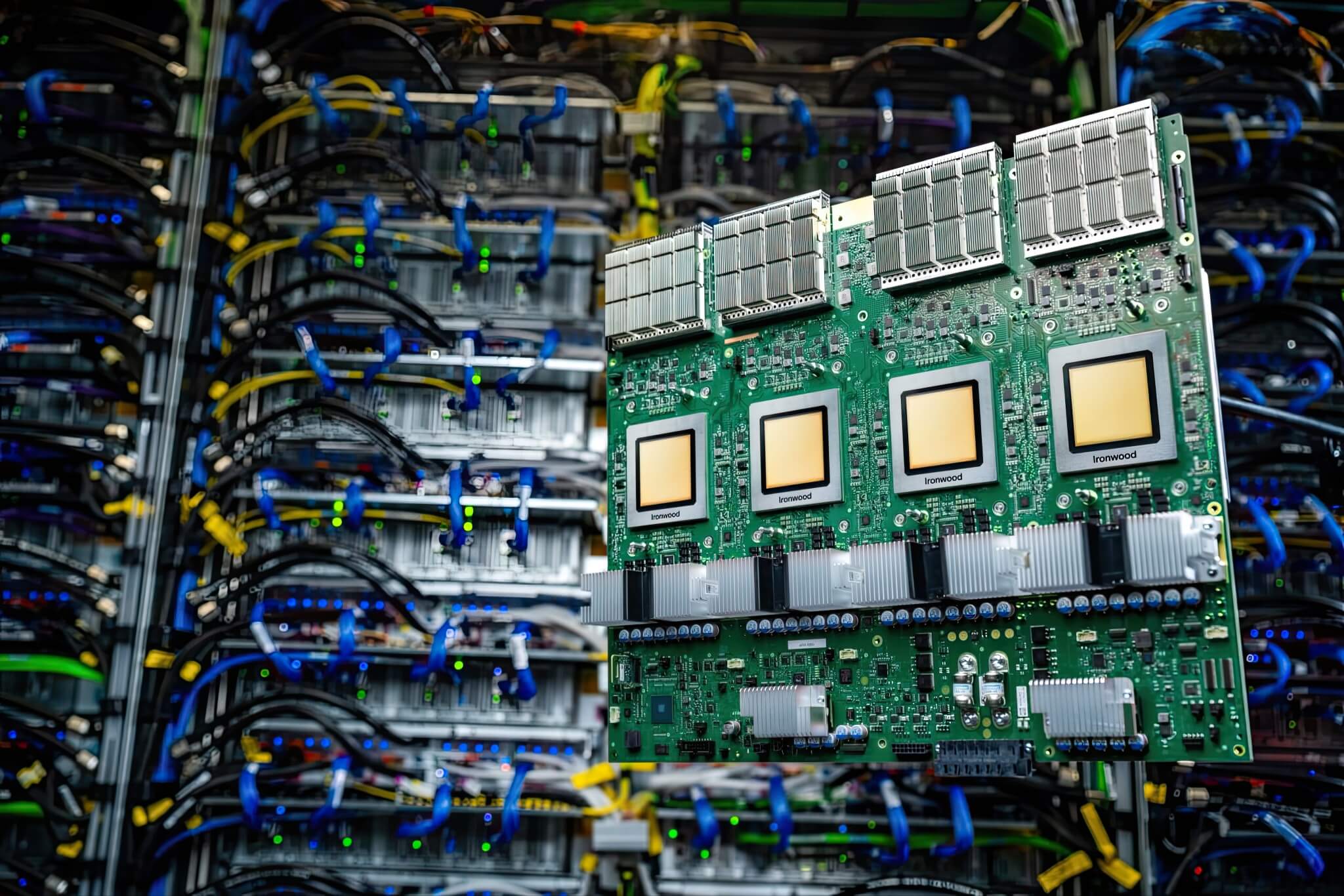
The story of TPU processors being accepted and used by external partners is gaining significant momentum. However, a harsh reality is emerging: supply chain constraints are posing a non-negligible challenge for Google if they truly intend to step into the massive hardware infrastructure supply market.
According to a detailed report from ChinaTimes, revelations suggest that Google's TPU chip output may not meet market expectations in terms of quantity. The core reason does not lie in the chip design, but primarily because the company is facing difficulties in securing advanced packaging services from key partners like TSMC. This is a vital factor required to execute a successful production acceleration to meet the increasing demand.
Advanced packaging technology becomes a barrier
Modern packaging technologies, such as CoWoS (Chip-on-Wafer-on-Substrate), are one of the primary methods chip manufacturers use to elevate processing performance to new heights compared to previous generations. In the case of the TPUv7 Ironwood, Google has adopted a Multi-Chip Module (MCM) design. This design allows the company to integrate multiple small chips into a single unified package, instead of using a traditional large monolithic silicon die.
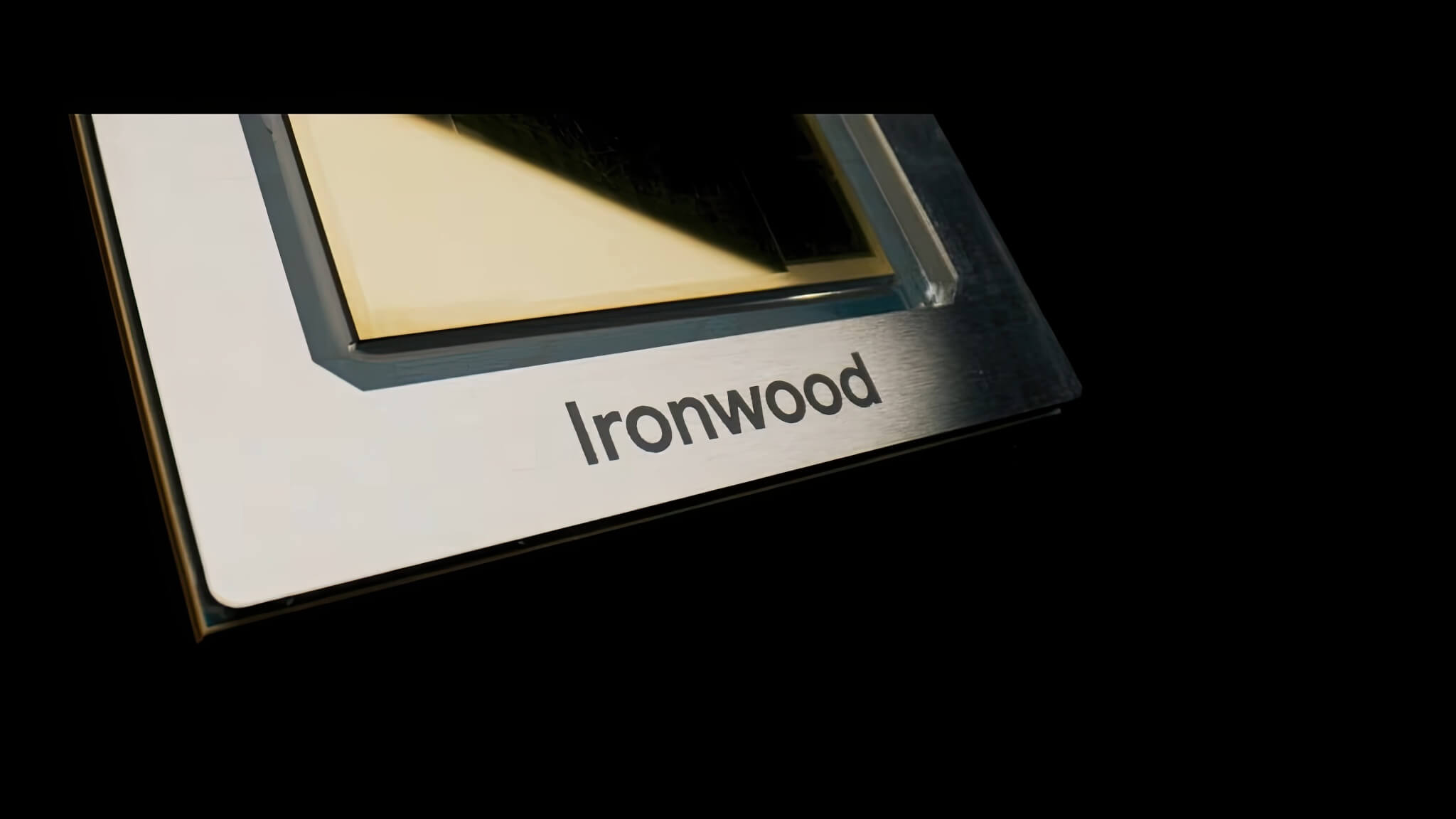
Specifically, instead of a single large die, the TPUv7 integrates multiple silicon dies on an intermediate silicon interposer, with microbump arrays to connect the chiplets together. This complex structure provides excellent scalability and optimizes the internal design specifically for matrix multiplication units and inference networks. A notable interesting point is that Ironwood also directly integrates physical layer circuits (PHYs) and routing logic into the chip package through interposer routing, helping to create Die-to-Die (D2D) connections with extremely low latency.
It is evident that advanced packaging processes are an indispensable and inseparable part of Google's TPU technology stack. Therefore, the company must ensure sufficient production capacity at this stage if it wants to increase chip sales to external partners.
Market outlook and potential alternatives
However, forecasts from Fubon Research paint a less bright picture. The entity predicts that Google TPU shipments in 2026 will be lower than forecasts provided by mainstream analysis firms. The main reason is that the CoWoS packaging technology bottleneck is too large to be ignored. TSMC's current supply chain has committed its entire capacity to products from long-time "VIP" customers like Apple and NVIDIA.
As a result, taking on more large customers for the advanced packaging segment is a difficult move for TSMC, even as they spend heavily to expand production capacity. Since Google can be considered a relatively new "rookie" in the supply chain regarding volume manufacturing, it is almost certain they will have to stand at the end of the queue.
This certainly does not mean that TPU chip lines will not be embraced by the market. It merely reflects the reality that industry bottlenecks are making it difficult for Google to supply its custom silicon to a wider range of customers. One direction Google could consider to resolve this situation is leveraging the capabilities of other companies like Intel or Amkor for advanced packaging. There have been rumors that the tech giant is exploring EMIB-T solutions as an alternative. The AI supply chain is inherently unpredictable when it comes to meeting customer orders; therefore, we cannot be entirely certain what Google's next move will be.