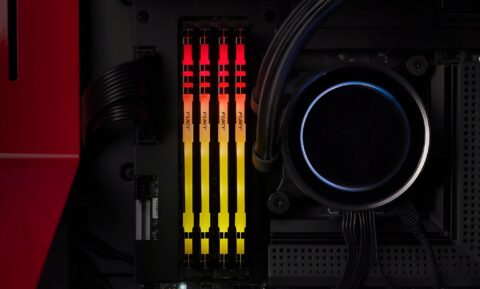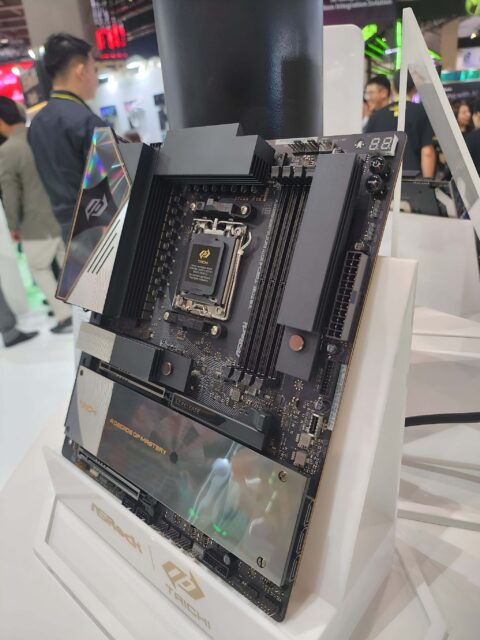

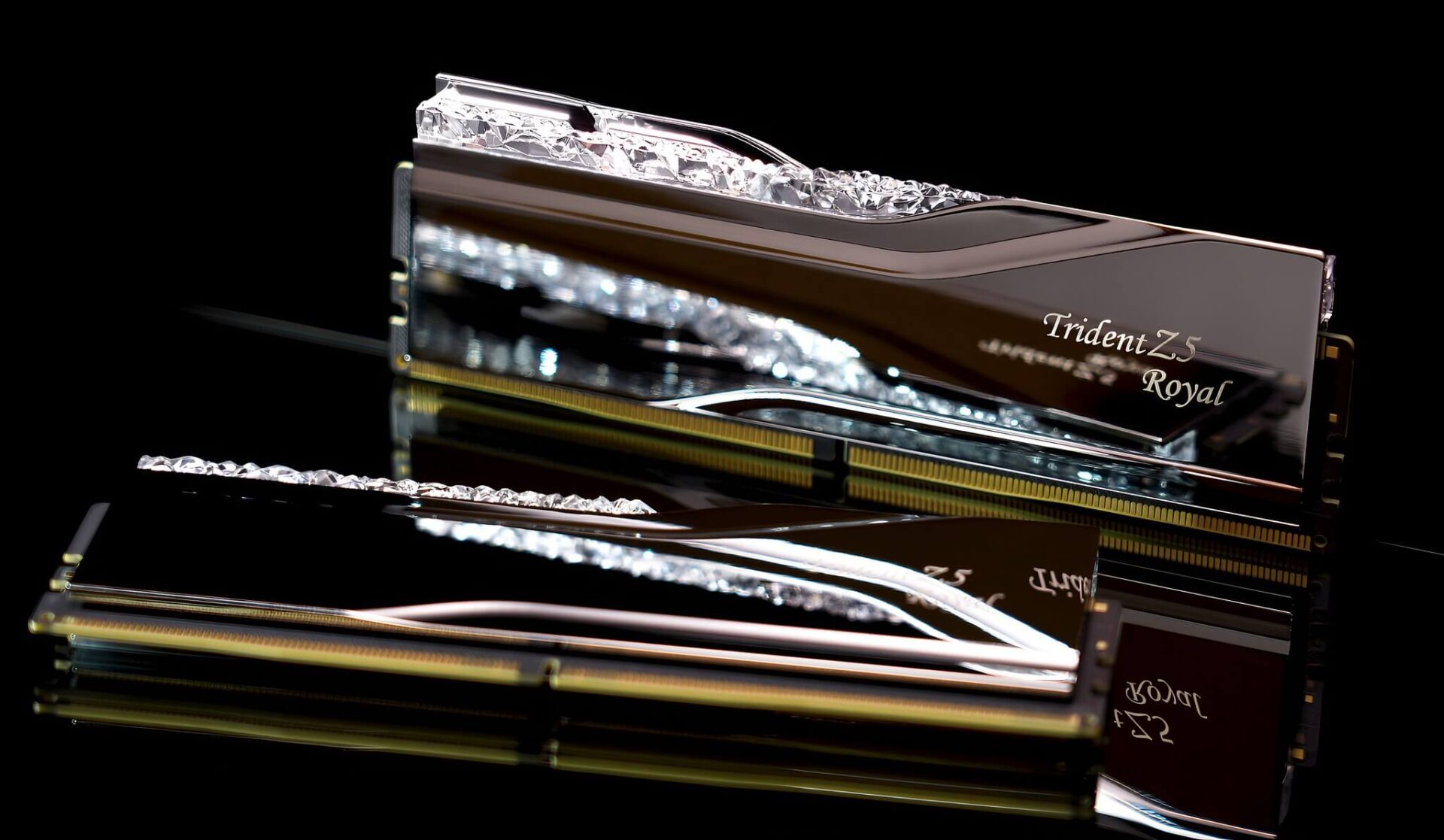
The computing world is standing on the threshold of a breakthrough future with the emergence of new generation processors. Recently, Rambus shocked the industry by announcing a chipset solution for RAM DDR5 capable of pushing memory speeds to a record 9600 MT/s. This advancement is not just a dry number but a crucial foundation to provide massive bandwidth for upcoming AI computers. The breakthrough in RAM DDR5 technology promises to completely change how we experience the power of personal devices in the near future.
RAM DDR5: A Stepping Stone for the Potentially Powerful AI PC Era
When mentioning Artificial Intelligence (AI) on computers, what users care about most is the ability to process data smoothly and without interruption. Modern AI tasks require the continuous movement of massive amounts of data between the processor and system memory, creating tremendous pressure on transmission bandwidth. According to the latest reports from Wccftech, increasing RAM DDR5 speeds is the key factor to meeting this demand. If the bandwidth is not large enough, no matter how powerful the CPU is, the system will still encounter a "bottleneck," making AI tasks slow and inefficient.
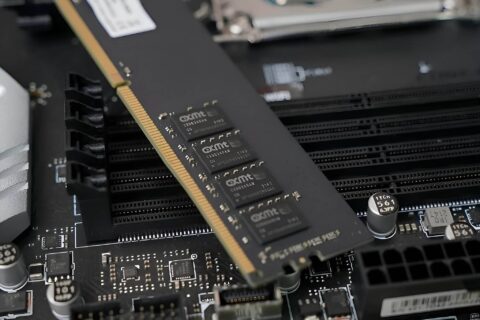
To prepare for the launch of next-generation CPU platforms like Intel Nova Lake or AMD Zen 6, component manufacturers are in a fierce race to optimize hardware. Rambus's new chipset solution is specifically designed to support advanced RAM DDR5 modules such as CUDIMM and CQDIMM. These technologies not only help maintain electrical signal stability when running at high clock speeds but also ensure that the data stream always flows as smoothly as possible, creating a solid foundation for the development of upcoming powerful AI PCs.
Addressing Challenges of Signal Stability and Power Consumption on RAM DDR5
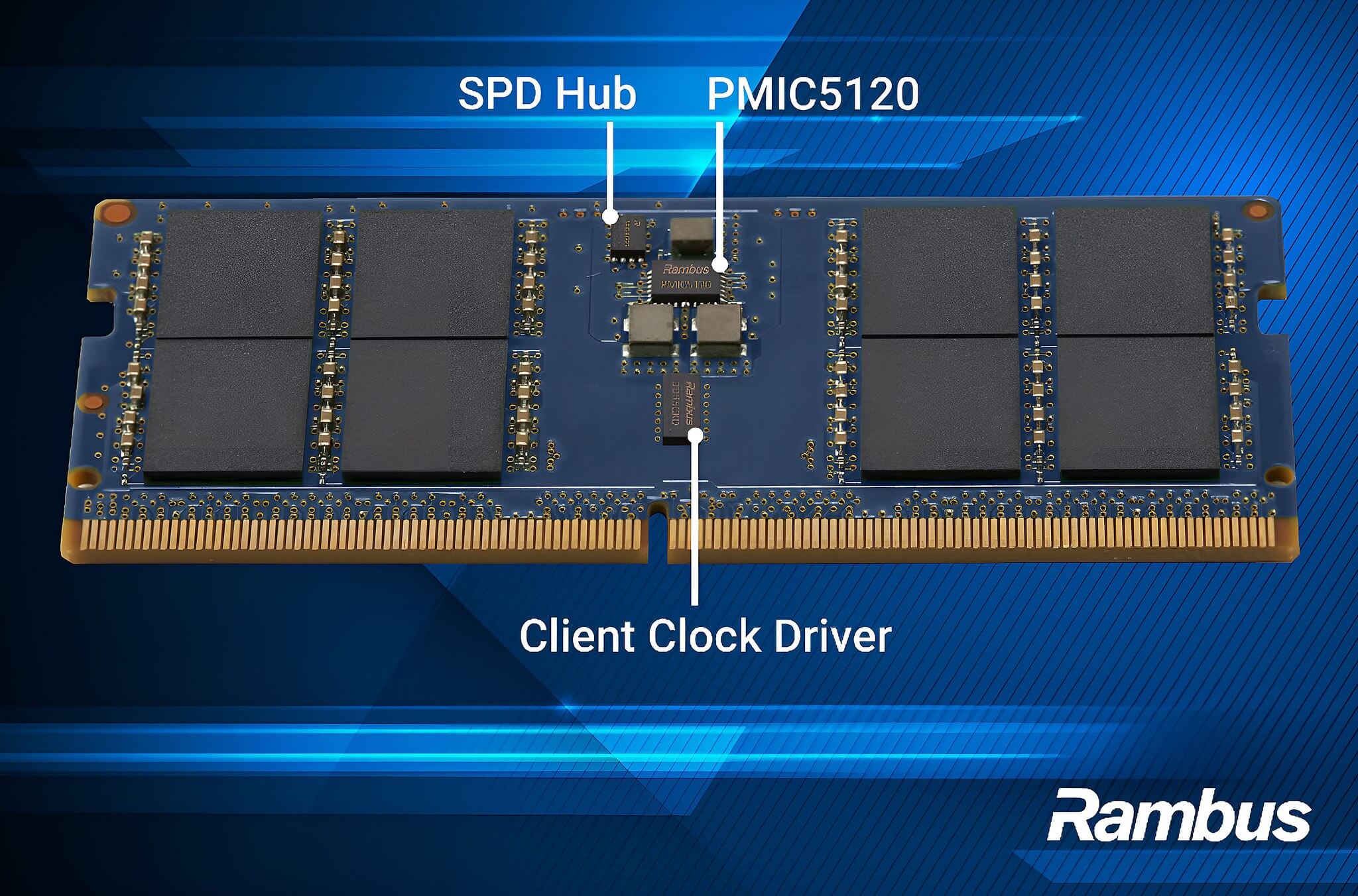
Pushing speeds to 9600 MT/s is not simply about increasing the clock speed, because when running at high speeds, technical issues such as signal noise or timing instability become extremely serious. Imagine data transmission like water flowing through a pipe; when you try to push water too fast, the high pressure can cause vibrations and burst the pipe. To overcome this, Rambus's chipset integrates a Gen2 CKD clock driver that helps refine and redistribute clock signals more accurately to each memory chip on the RAM DDR5 module.
In addition, power management is also a difficult problem as components need to be supplied with stable voltage to operate at peak performance. This new chipset includes a PMIC5120 power management IC that helps step down the system voltage to the precise levels required by DRAM chips, while simultaneously minimizing unnecessary energy waste. This is particularly important as we see the trend of Intel bringing LPDDR6 to Razor Lake to optimize performance. Below is a summary table of the core components in Rambus's chipset solution for RAM DDR5 to give you a clearer view of this technology:
| Main RAM DDR5 | RAM DDR5 Role and Function |
| Gen2 Client Clock Driver (CKD02) | Adjusts, cleans, and distributes clock signals from the CPU to the DRAM chips. |
| PMIC5120 | Manages and converts system voltage to the optimal voltage level for memory. |
| SPD Hub | Allows the computer to identify the configuration, specifications, and monitor the status of the RAM module. |
The synchronized combination of these components helps thoroughly resolve physical difficulties when expanding RAM DDR5 beyond the traditional 6400 MT/s threshold. With the ability to operate stably in the speed range from 8000 to 9600 MT/s, Rambus's technology not only brings raw performance but also ensures system durability. This will certainly be a major turning point, helping enterprise laptops and specialized workstations have enough power to handle the most complex RAM DDR5 workloads in the future, similar to how the Ryzen AI MAX 495 possesses massive RAM capacity to handle heavy tasks.