
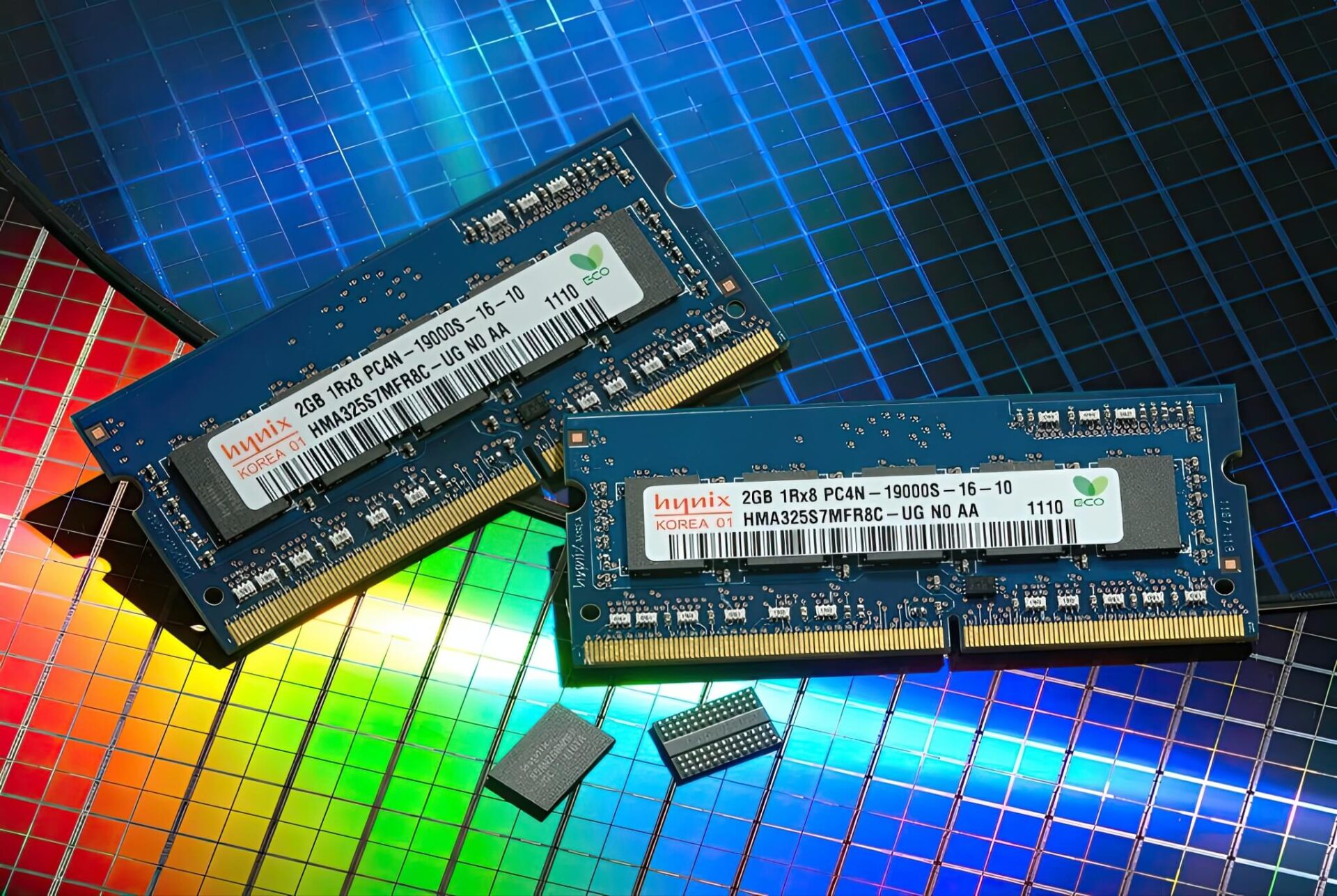
Alongside the ongoing global supply shortage crisis, the world's leading component suppliers such as Samsung and SK Hynix are facing an extremely serious new legal threat from the United States government. According to the latest information, Washington is considering imposing tariffs of up to 100% on offshore memory chip producers if they do not move their production lines within U.S. borders. This move, if realized, would be a major shock that completely alters the landscape of the semiconductor industry, which is already very fragile due to the AI boom.
"Made in USA" Policy and the Ultimatum for the Memory Chip Industry
Promoting domestic production has been a top priority for the Trump administration, especially in high-value segments like semiconductors and Artificial Intelligence (AI). The "Made in USA" story has received significant attention recently, thanks to investment commitments from giants like TSMC, Samsung, and many other players in the supply chain. However, it appears that the focus is now shifting toward DRAM (Dynamic Random Access Memory) manufacturers.
Speaking at the groundbreaking ceremony for Micron's new factory in New York, U.S. Secretary of Commerce Howard Lutnick made a stern statement that startled the entire industry. He announced that memory manufacturing companies that do not produce within the United States will face a 100% tariff. The message was clear and uncompromising: "Anyone who wants to manufacture memory has two choices: They can pay a 100% tariff, or they can build factories in the US."
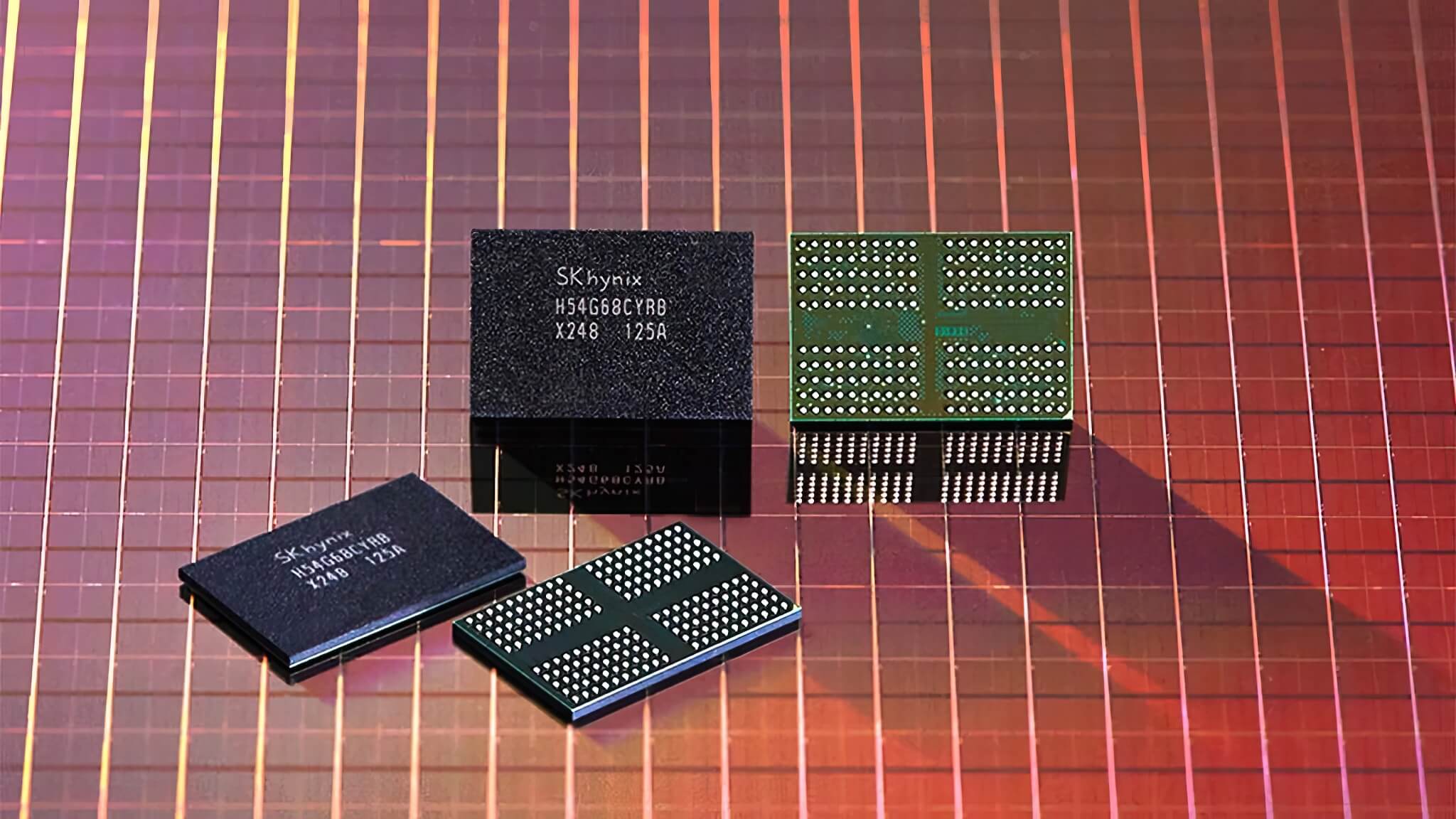
This is the first time the United States has specifically targeted DRAM suppliers with such a heavy-handed tariff measure. Given how precious memory chips have become to the AI industry today, observers consider this move to be inevitable. Although Secretary Lutnick or the Department of Commerce has not specifically named any particular company that will fall under the scope of this tariff policy, a close examination of current major DRAM manufacturers is essential to see who will be most heavily affected.
Major Challenges for Samsung and SK Hynix in the US Market
Reviewing investment commitments, we can see that Samsung, the world's largest memory manufacturer, has announced semiconductor commitments in the US involving both frontend and backend stages of the production process. However, the key point is that this South Korean tech giant currently has no specific plans to build a memory fab in the US. This places Samsung in a high-risk position against the new tariff policy.
Similarly, Samsung's compatriot competitor, SK Hynix, also recently announced a $4 billion investment commitment in West Lafayette, Indiana. However, this investment focuses primarily on advanced 2.5D packaging technology and Research and Development (R&D) activities. The core DRAM chip production lines are not within the scope of this project. As such, both South Korean "giants" run the risk of falling into the crosshairs of the 100% tariff if they do not quickly adjust their production strategies.
In this context, Micron seems to be the only major company currently producing, or at least intending to produce, DRAM chips directly on US soil. Therefore, if the Trump administration truly targets the memory industry, many key players in the international market could face a potentially existential tariff shock. This would not only affect corporate profits but also directly impact the cost of end products.
Unforeseeable Consequences for the Supply Chain and Component Prices
It is not just the South Korean giants; Taiwanese manufacturers such as Nanya Technology and Winbond Electronics, which contribute significantly to the global DRAM supply chain, could also face the imposition of "memory tariffs." This could prove to be a massive headache for the entire electronics industry.
The explosion in demand from the AI sector has already pushed DRAM prices to unprecedented historical highs. The application of a potential additional 100% tariff could cause severe damage to an industry that is already struggling to scale up production to meet demand. Rising import costs for memory chips will lead to increased Bill of Materials (BoM) costs for products such as smartphones, computers, and servers, with estimated increases potentially reaching up to 25%. The inevitable consequence is a reduction in shipments and end consumers being the ones to bear the burden of higher prices for technological devices.