

While the gaming community is preoccupied with the flashy hardware just released, Valve-the creator of the Steam platform-is quietly making a strategic move that could completely change how we play games. By silently investing in emulation technology to run PC games on mobile chips (Arm), Valve is opening the door to bring its massive game library to phones and tablets in the near future.
The Plan to Bring PC Games to Mobile Chips
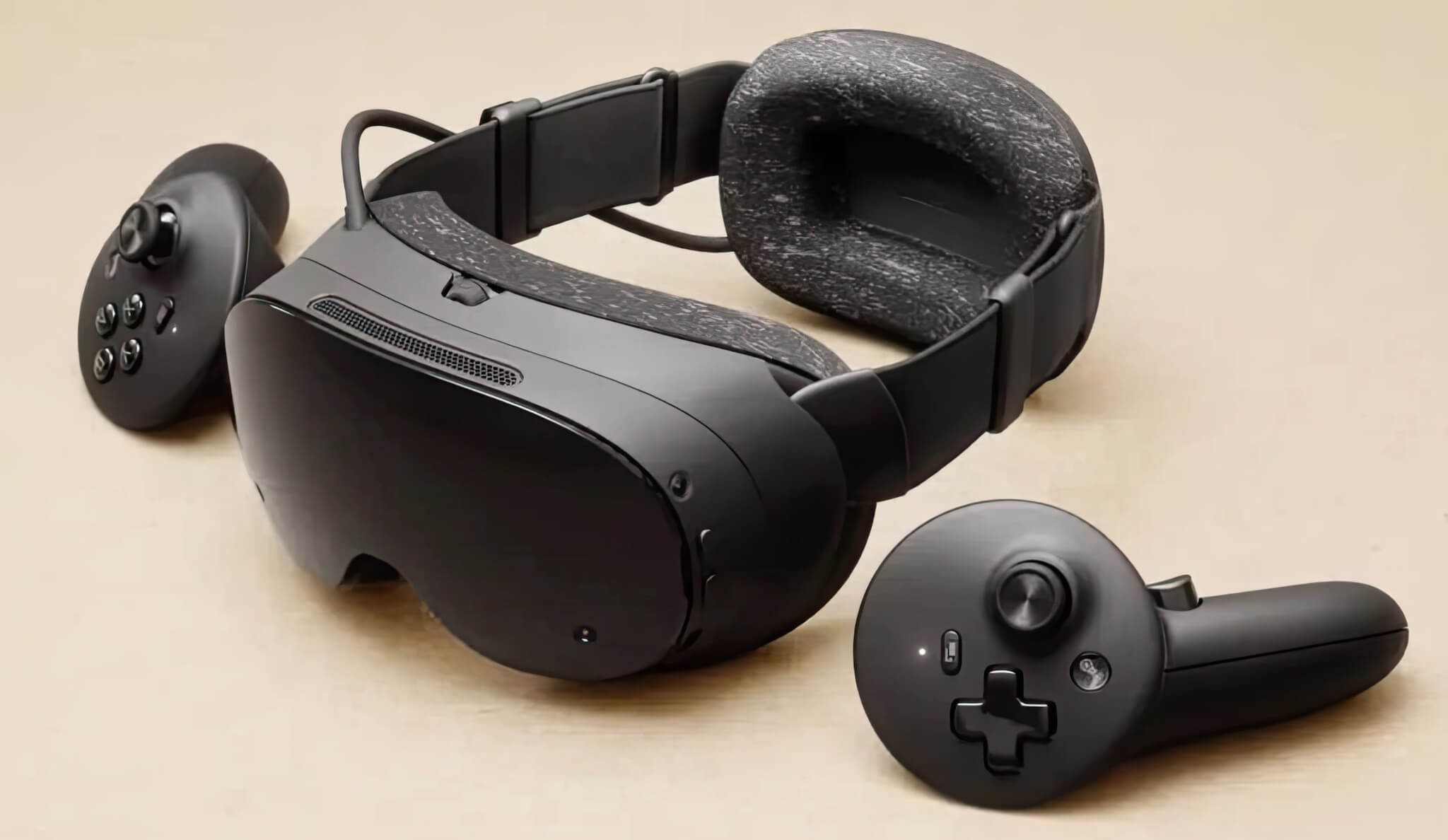
At Valve's major hardware announcement event last month, most of the spotlight was on the return of the Steam Machine concept. However, a small but incredibly significant detail within the company's upcoming standalone virtual reality (VR) headset project holds much larger implications for the future of the PC gaming industry. Although Valve's specific plans after next year remain a mystery, the Steam Frame device is predicted to become a strategic "Trojan Horse," helping the company penetrate almost all current mobile devices.
Speaking with the tech news site The Verge recently, a Valve representative revealed that they have spent years funding the development of emulators and instruction set "translation" layers. The core goal of this persistent effort is to make games originally designed for PC chips (typically Intel or AMD x86 architecture) playable directly on Arm chips-the compact, power-efficient chips widely used in today's phones and tablets.
The efforts of developers, including both internal staff and external partners, are aimed at a future where Windows games can run smoothly on the Android platform and other systems. Most importantly, this solution allows for direct gameplay on the device without the need to rewrite the game (porting) or rely on internet streaming from another computer as before.
Technically, this is already achievable through the GameHub application. This is an Android interface capable of running many PC games directly on phones and tablets using an emulator called Fex. Valve has also confirmed it will use this Fex technology to run Windows games on its upcoming VR headset, the Steam Frame. It is understood that this device will utilize Qualcomm's Snapdragon 8 Gen 3 processor, a mobile chip built on the Arm architecture.
Silent Preparation Over the Past Decade
An interesting piece of information that few knew until recently is that Valve has acted as the primary financial patron for the Fex project for nearly ten years. In a detailed interview, Pierre-Loup Griffais, the chief architect of the SteamOS operating system and the Steam Deck gaming console, explained the company's long-term vision. He stated that Valve began recruiting software engineers specializing in Linux and translation layers for Arm chips back in 2016 and 2017.

At that time, Valve did not have a specific hardware device in mind. However, in a recent conversation with Road to VR, the company revealed that research into lenses for the Steam Frame began around 2018, even before the predecessor Index headset was released. Even then, the company clearly understood the reality that Arm processors-the "heart" of most phones and tablets-would become an essential factor for achieving accessible price points and good battery life.
Additionally, Valve is well aware that building translation layers good enough for the market would require about a decade of development. Although the lead developer of the Fex project, Ryan Houdek, is not an official Valve employee, the company has provided him with sufficient compensation to treat the development of this technology as his full-time job.
An Open Future for the Steam Ecosystem
The impact of this strategy could extend far beyond simply allowing the Steam Frame VR headset to run Windows games without being tethered to a PC. Valve stated that while they are not currently developing any other Arm-based devices directly, many third-party hardware manufacturers have expressed particular interest in their SteamOS operating system.
Fex technology could also be the key to unlocking game compatibility on new Windows laptops using Qualcomm chips and Android-based PCs in the future. While Qualcomm is planning to encourage game developers to start releasing native Arm versions by 2026-similar to how Apple did with Apple Silicon-Mr. Griffais stated that Valve's perspective is quite different. The company believes that forcing developers to port each individual game is an unnecessary waste of time.
Furthermore, another version of the company's famous Proton translation layer can now run Android applications directly on the SteamOS operating system. The original purpose of this was to help developers easily bring games from Android XR and Meta Quest to the Steam Frame. However, this also inadvertently opens a potential door to running native mobile applications directly on the Steam platform on other devices.
Other exciting opportunities may arise if government regulators force Google and Apple to open the "walled gardens" of their mobile devices. The European Union's Digital Markets Act (DMA)-which Apple and the US government are opposing-has forced Apple to allow sideloading and accept alternative app stores on iPhones and iPads in the European market. Epic Games has already begun to take advantage of these new regulations.
Meanwhile, Google is making moves to restrict sideloading on Android, but authorities in many countries are also attempting to pass laws against these monopolistic policies. If these legal efforts succeed, the vision of an iPhone or Samsung Galaxy becoming a true "Steam phone" could very well become a reality in the future.