
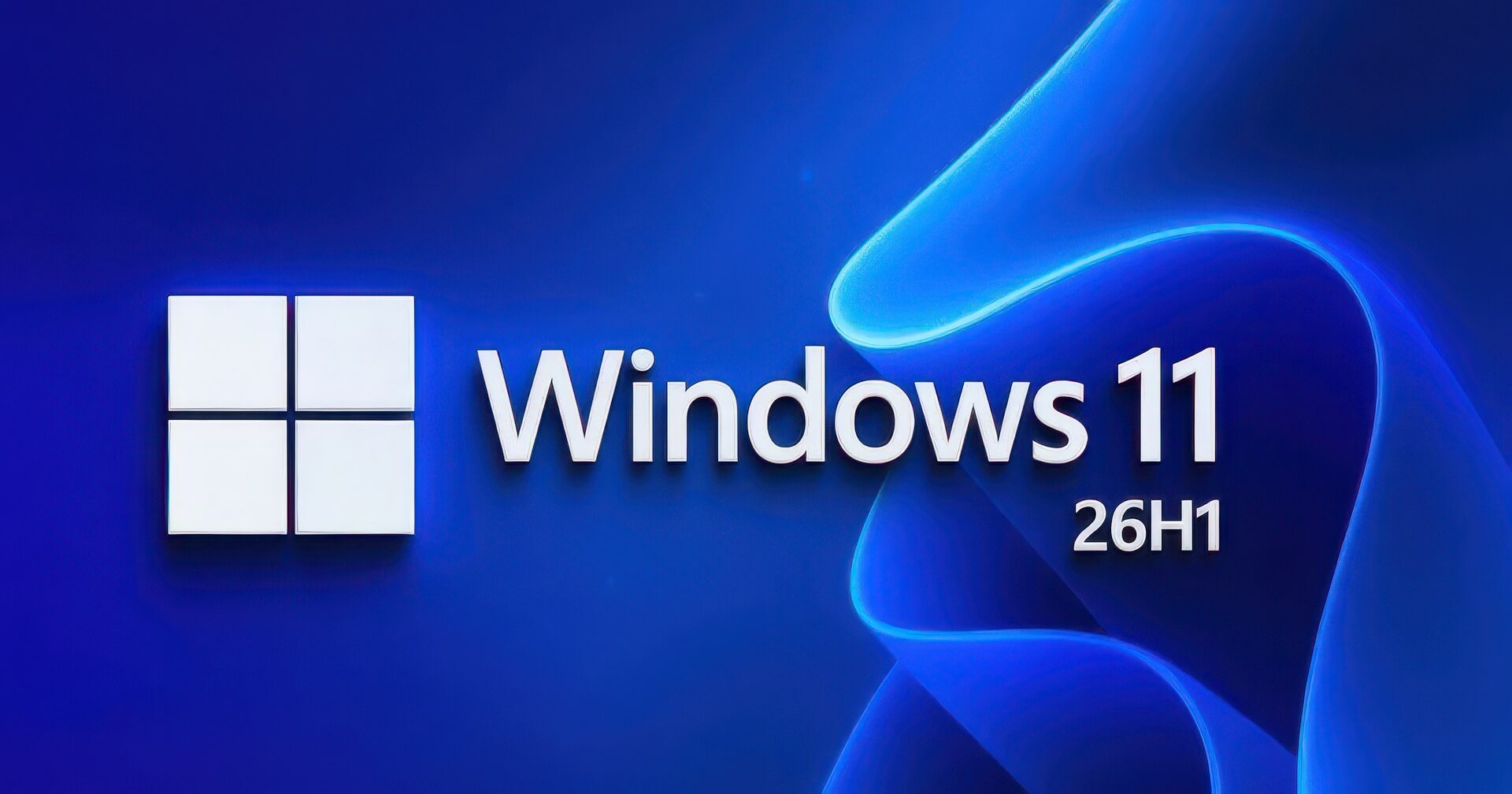
A small detail in a Windows 10 update has unexpectedly become evidence confirming the existence of Windows 11 26H1. This version is rumored to be the perfect "launchpad" for Microsoft's next AI era. However, this is an "exclusive" update, and most regular computer users will not receive it. Windows 11 26H1 has been revealed, but it is likely reserved only for computers equipped with Snapdragon X2 CPUs, reinforcing a strategy of tying operating system releases to next-generation AI hardware.
Microsoft officially confirms Windows 11 26H1 through Windows 10 source code
Only earlier this month, the tech community was buzzing with news that Microsoft is quietly developing Windows 11 26H1, which is believed to be the perfect "launchpad" for next-generation "Windows on ARM" devices equipped with Snapdragon X2 CPUs. Although the rumors came from reliable sources, they remained unofficial. Now, there appears to be further credible confirmation of this plan.
Specifically, evidence was discovered within the source code of a Known Issue Rollback for Windows 10 (KB5066791). Despite being a minor patch for an older operating system, the code explicitly mentions a future Windows 11 version: "SUPPORTED_Windows_11_0_26H1_Only Windows 11, version 26H1". This is an undeniable internal sign that Microsoft is thoroughly preparing for this version.
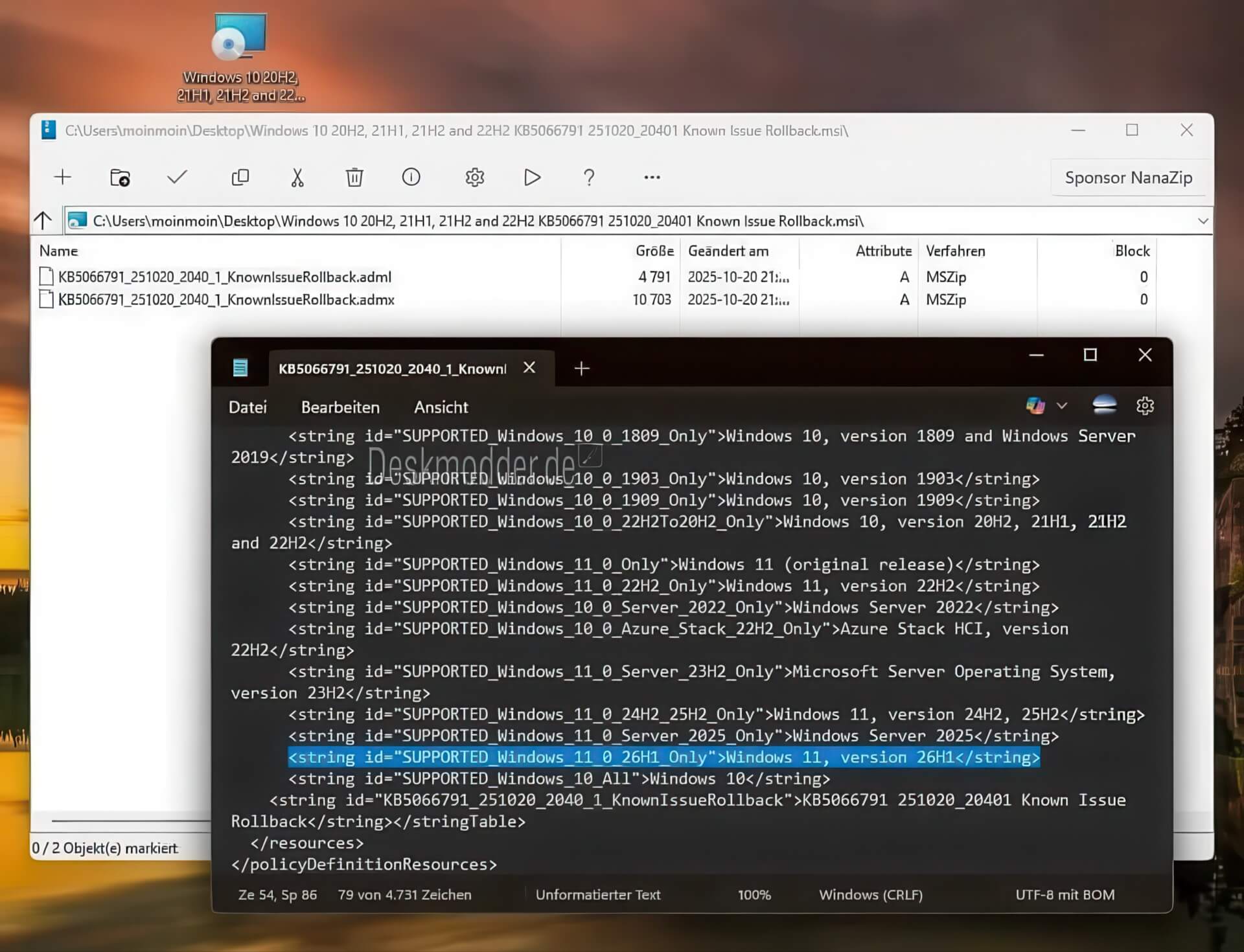
Currently, detailed information about Windows 11 26H1 remains scarce. This will be the first H1 (first half of the year) update after Microsoft transitioned to a release schedule of one major update per year. However, there is a "catch": your computer will almost certainly not receive this update, at least not initially.
Windows 11 26H1: An exclusive release for AI devices
Much like how Microsoft initially launched version 24H2 exclusively on Copilot+ PCs (running Snapdragon chips), version 26H1 is rumored to be an exclusive release for devices running the next-generation Snapdragon X2 Elite chips, expected to launch in the first half of 2026. New AI features and major changes for standard computers (running Intel or AMD chips) will not be included in Windows 11 26H1. Instead, general users will have to wait for version 26H2, expected to launch in the second half of 2026. This will be the full operating system update for everyone, whereas previous 24H2 and 25H2 versions were believed to share the same core source code.
This move also coincides with Microsoft's recent announcement that the Insider Dev channel will soon transition to builds with higher version numbers. It is highly likely that Microsoft is paving the way to begin testing 26H1 builds in the Dev channel, preparing for a debut alongside new hardware next year. This strategy suggests that Microsoft is attempting to create a distinct differentiation between new AI PCs (Windows on ARM) and traditional PCs by limiting core operating system features.
This exclusive release strategy is part of Microsoft's effort to drive sales of new Copilot+ PCs, emphasizing the role of dedicated NPU (Neural Processing Unit) chips in running AI features. However, continuously dividing users with limited operating system versions could cause confusion and negative reactions within the community, especially among users accustomed to receiving full Windows updates simultaneously.