
WCCFtech reports that AMD FSR Multi-Frame Generation is approaching real-world deployment after traces of the feature appeared in developer toolkits. For gamers, this is a significant signal as AMD FSR could provide another way to boost FPS in demanding games without needing an immediate graphics card upgrade. However, at this moment, this is still just technical preparation and not a confirmation that commercial games will support it simultaneously soon. In short, AMD FSR is giving gamers more reason to keep an eye on Radeon in the coming months.
Why the signal from this SDK is worth gamers' attention
The most notable point is that AMD has included a frame generation ratio selection into the SDK, indicating that AMD FSR Multi-Frame Generation is no longer just a rumor. Simply put, instead of just inserting one frame between two original frames, this direction allows for creating more frames to push higher FPS in heavy games, especially when playing at high resolutions or with ray tracing enabled.
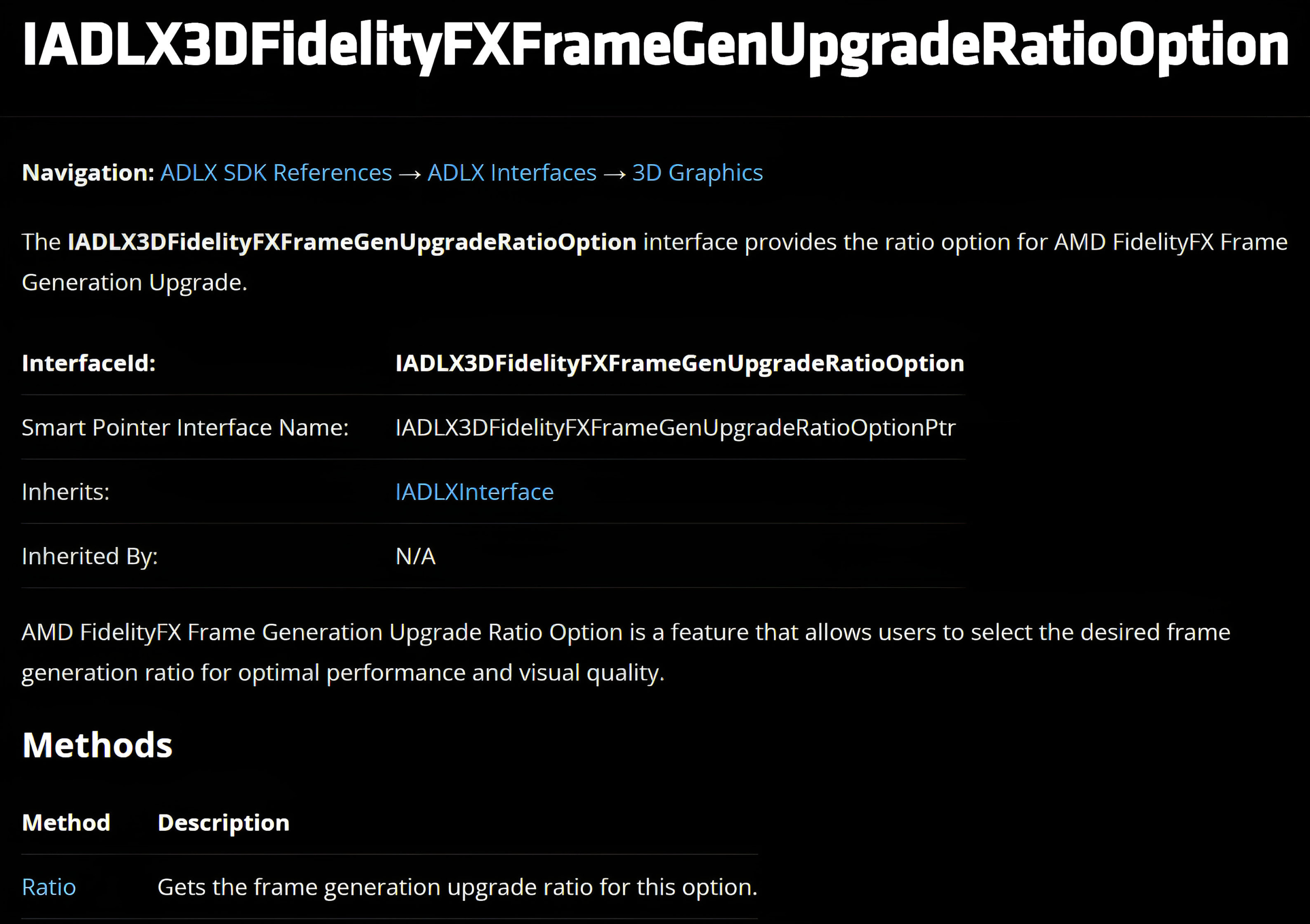
This detail appeared in AMD's developer documentation, where the company describes an option to select the frame generation ratio to balance performance and visual quality. While this doesn't prove games are ready, it is enough to say that studios now have the tools to start testing AMD FSR in a more practical way. If AMD executes well, gamers will not only see higher FPS but can also expect more stable visuals during fast scene transitions.
Hung Phat Laptop previously mentioned AMD FSR 4.1 as a step focused on sharpness and reducing visual artifacts. If Multi-Frame Generation launches as expected, AMD will have another card to compete more directly with NVIDIA and Intel in the AI-driven FPS boosting segment. What gamers care about most is whether the FPS increase is significant enough without causing unpleasant input latency.
What gaming laptop and PC buyers should wait for
For those considering a purchase, this news is noteworthy but not yet sufficient to be a reason to close a deal based solely on a future feature. The next thing to watch is which GPU lineup AMD will open support for, how many games will be integrated initially, and whether the quality of the generated frames will be clean enough. Higher FPS sounds very appealing, but if ghosting, blurring, or increased control latency occurs, the actual experience may fall short of expectations.
The table below lists the points buyers should wait to confirm before placing high expectations on AMD FSR Multi-Frame Generation.
| Things to wait for confirmation | Meaning for buyers |
|---|---|
| Supported GPUs | Determines whether current laptops or graphics cards can use it. |
| Initial game integration count | The feature is only valuable when not limited to a few test games. |
| Latency and visual artifacts | FPS increase only matters if operations remain precise and motion looks clean. |
| Actual frame generation ratio | A 4x ratio or higher must come with stable display quality. |
| System requirements | If requirements are too strict, the benefits for mainstream gaming laptops will be narrowed. |
One detail that needs careful reading is that current technical documents show AMD's new frame generation branch still comes with quite many requirements regarding operating systems, graphics APIs, and new-generation Radeon hardware. This suggests that AMD FSR is likely to prioritize new configurations first, rather than immediately expanding to all older GPUs. For gaming laptop users, this is a crucial detail as it directly affects the decision of whether to buy a current configuration or wait for the next GPU cycle.
In short, AMD FSR Multi-Frame Generation is a signal worth watching closely, but it is not yet a reason to assume Radeon has a complete counterweight to competitors' solutions. If you want to see more comparisons of frame generation technologies, you can check the XeSS 3 article within the same ecosystem. Only when there are independent benchmarks regarding FPS, latency, and image quality will gamers have a clearer basis to decide whether to wait for AMD FSR or buy a machine now. If the first benchmarks are positive, AMD FSR will become a very important factor when choosing a new gaming machine.