
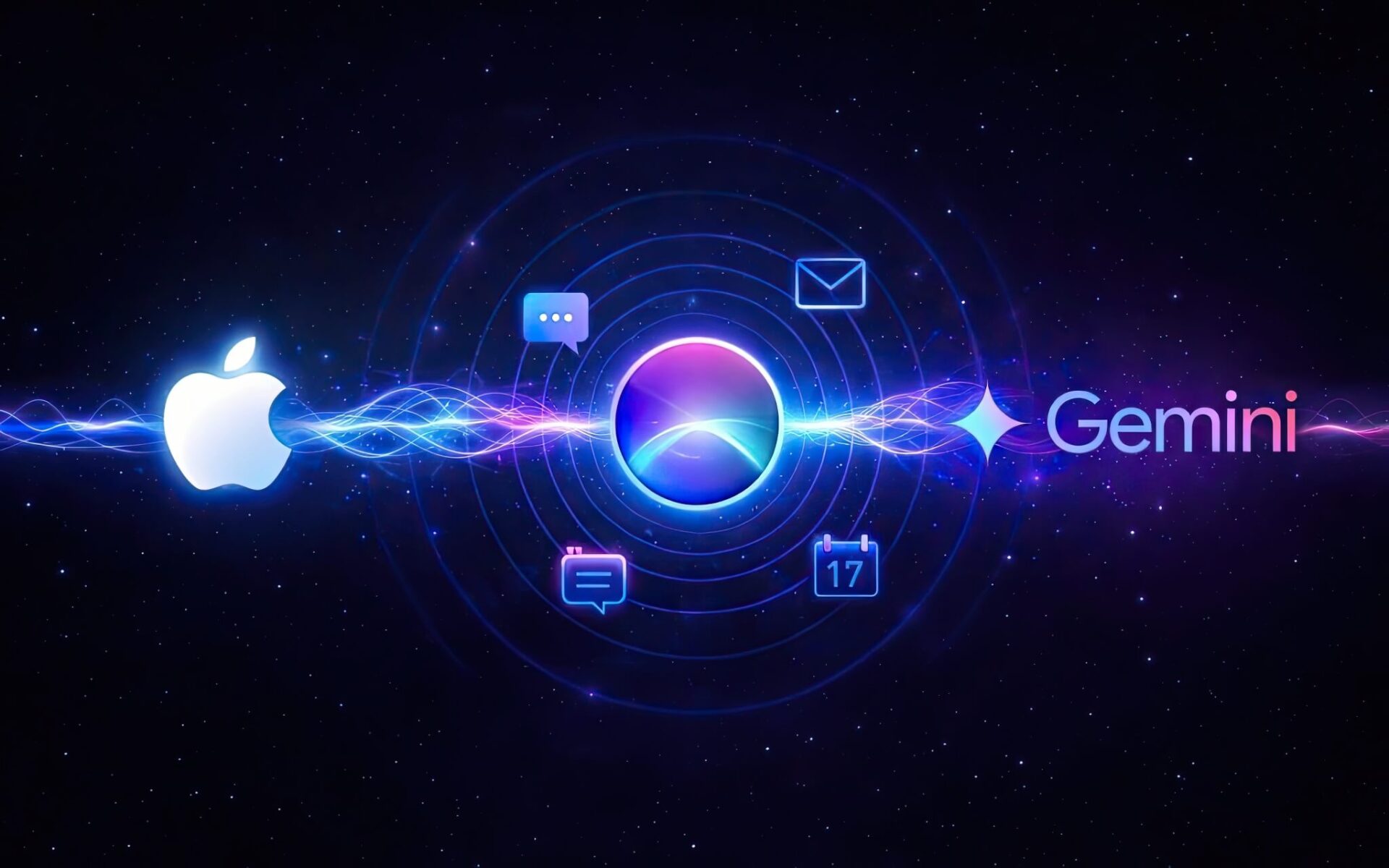
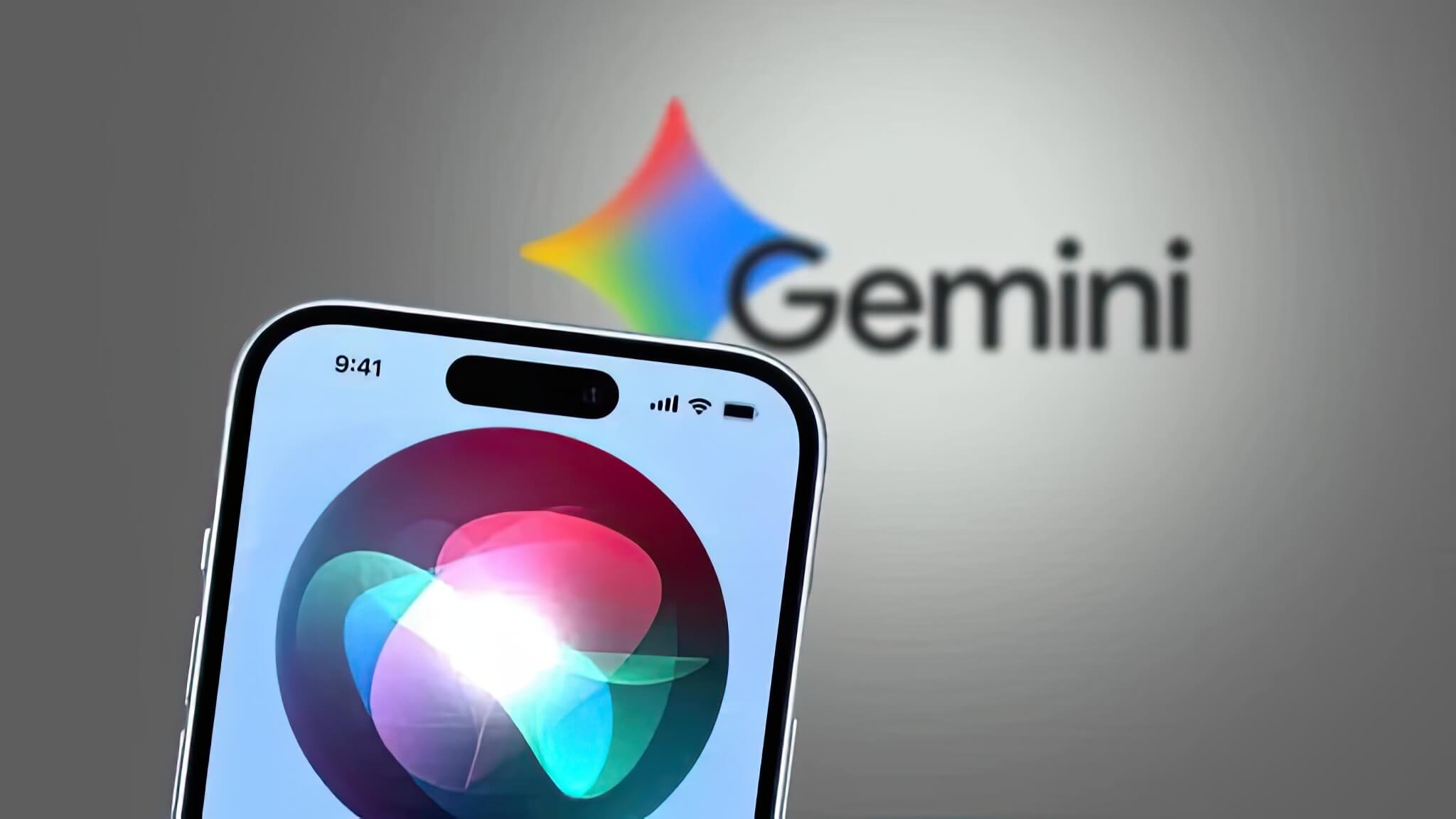
Apple has once again turned to Google, expanding its long-standing partnership-which originated from search engines-to bolster its most advanced artificial intelligence (AI) efforts. In a recent joint statement, the two tech giants officially confirmed a multi-year agreement. Accordingly, Google's Gemini model will be integrated as the foundation for Apple's next-generation "Foundation Model." This strategic move is expected to create significant waves of change for the Siri virtual assistant as well as other intelligent features within the Apple Intelligence platform.
Apple's Pragmatic Strategy and the Role of Gemini
While major rivals in the Big Tech group continue to pour billions of dollars into the race for AI supremacy, Apple seems to be opting for a much leaner and more pragmatic strategy. This decision is shaped by an undeniable reality: the difficulty in launching a "homegrown" generative AI system capable of competing with current market leaders. Instead of trying to reinvent the wheel, Apple is choosing to stand on the shoulders of giants.
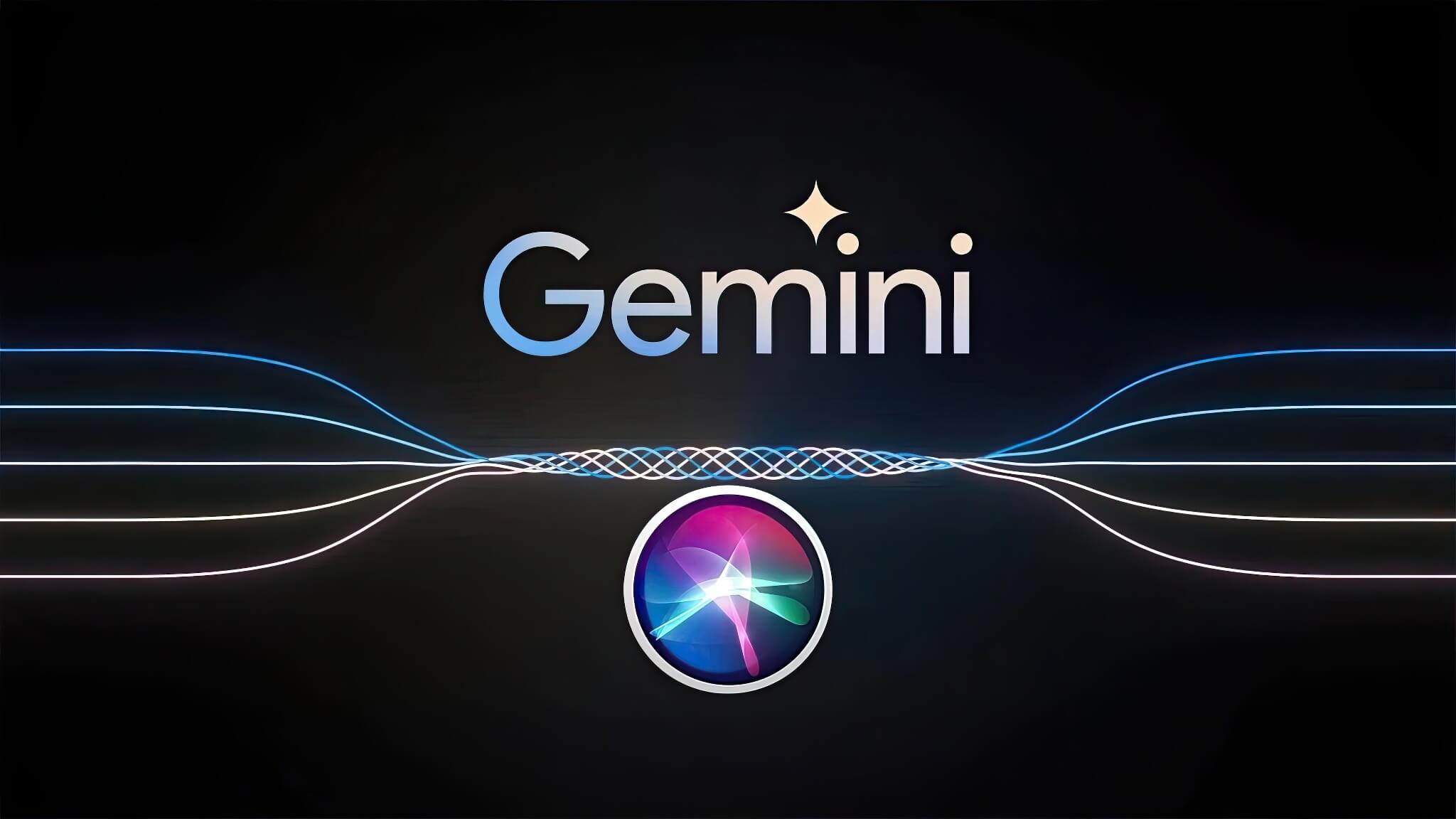
Under the terms of the agreement, Gemini will serve as the backbone to enhance upcoming Apple Intelligence features and, more importantly, power a more personalized version of Siri, expected to launch later this year. Side reports indicate that Apple began early discussions with Google in 2025 to explore how a customized Gemini model could operate their next-generation digital assistant.
A representative from the Cupertino-based tech giant stated: "After careful evaluation, Google's AI technology provides the best foundation for Apple's Foundation Models, and we are excited about the innovative new experiences it will unlock for Apple users." The company also emphasized its commitment to privacy, asserting that Apple Intelligence will remain exclusive to its own devices and services. Integrated with its proprietary Private Cloud Computing architecture, the platform is expected to maintain the strict security standards that Apple has promoted across its entire ecosystem.
The Complex Relationship Between Apple, Google, and OpenAI
This partnership comes at a time when Apple's AI implementation process is facing various complexities. Apple first revealed new AI-powered Siri capabilities in June 2025 alongside the launch of Apple Intelligence, but subsequently had to push back the assistant's release schedule to 2026. Currently, Siri still relies on ChatGPT, and Apple has stated they have no plans to change their existing agreement with OpenAI. This is a rather interesting stance considering the newly announced collaboration with Google. The joint statement's mention of a new generation of Foundation Models built on Gemini suggests that both efforts (with OpenAI and Google) may operate in parallel.
Pressure is mounting on Apple. The Apple Intelligence platform, which combines on-device processing with server-side AI, has so far received largely lukewarm responses from users. However, behind the scenes, Cupertino continues to push its AI initiatives with new data training methods, technology upgrades, and expanded internal testing.
This agreement also echoes the long-standing arrangement where Apple has collected billions of dollars from Google to keep its search engine as the default on iPhone and other devices. Now, this scenario seems to be repeating in the era of AI chatbots and large language models, although the direction of technological dependency may be reversing. This arrangement highlights an increasingly complex relationship where Google is both a vital partner and a direct competitor. That tension is further amplified as Alphabet (Google's parent company) rides the AI-driven growth wave: its stock surged 65% last year, pushing its market capitalization past the $4 trillion mark this week. In the process, Alphabet surpassed Apple in market capitalization for the first time in about seven years, becoming the fourth company in history to reach this significant milestone.