

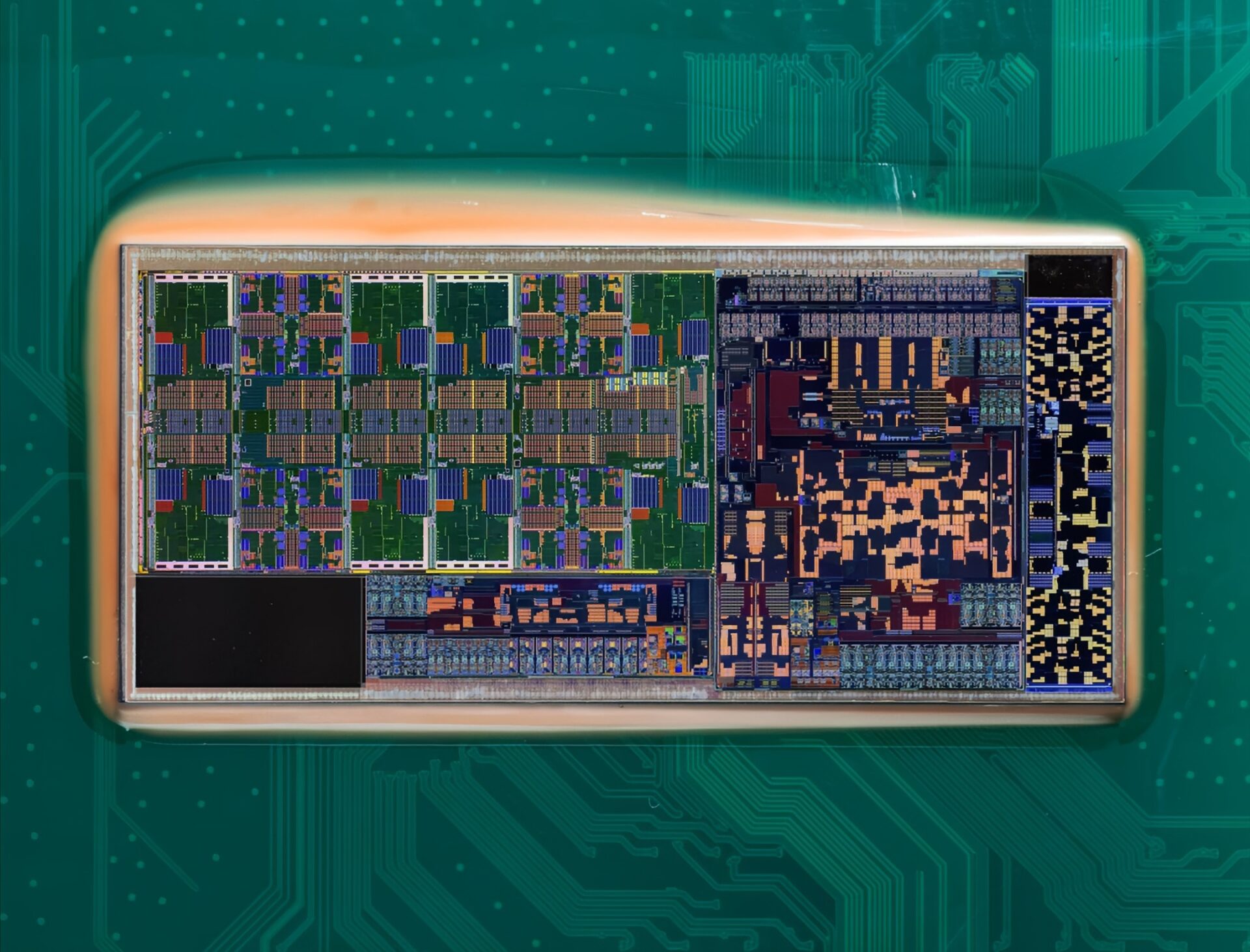
APX x86 could be one of the most significant changes for laptop CPUs in the coming years, even if users find it difficult to see on the machine's exterior. This is not a new chip line, but rather a way for Intel and AMD to expand the x86 instruction set so that software can utilize processors more efficiently. The greatest significance lies in the fact that performance can increase without forcing manufacturers to increase die area or power consumption proportionally. For laptops, this is a very worthwhile upgrade direction because thermal and battery limits are always tighter than desktops.
What is APX x86 and why is it noteworthy for laptop users?
According to a source from Wccftech, APX stands for Advanced Performance Extensions, a major expansion of x86 that Intel and AMD are jointly promoting. Its core involves allowing the CPU to use more registers-ultra-fast storage areas located directly within the processor. When software keeps more data here, the CPU has to read from and write to slower memory less frequently.
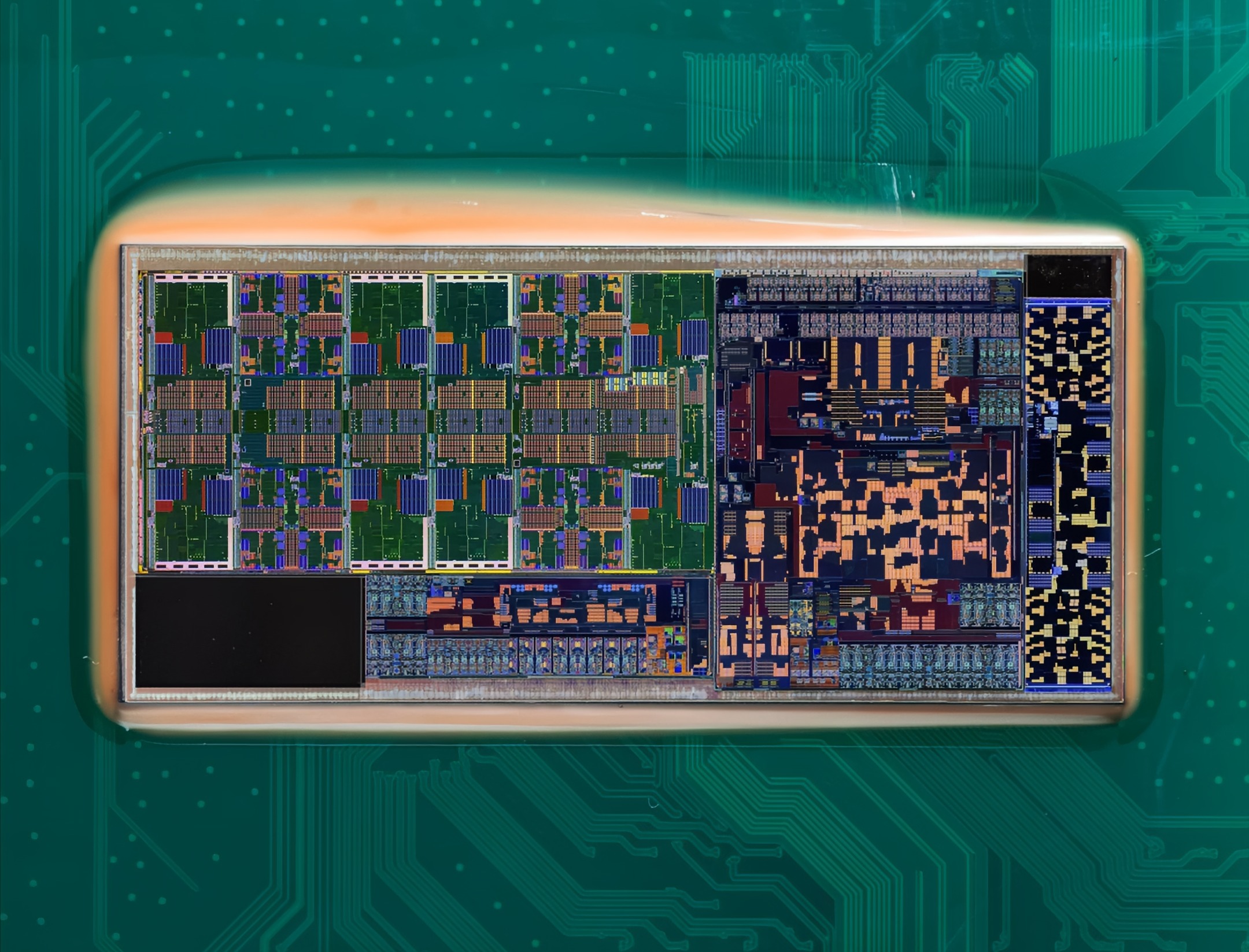
Intel states that APX increases the number of general-purpose registers from 16 to 32. The company also mentioned that code compiled for APX can reduce load instructions by about 10% and store instructions by more than 20% in SPEC CPU 2017 Integer simulations. Simply put, the CPU has more space to hold data internally, reducing data movement operations, which both increases speed and reduces power consumption for the same workload.
This is significant because the laptop experience depends on more than just raw hardware. The CPU performance problem in gaming has shown that software, compilers, and operating systems can determine a large part of the final efficiency. APX x86 targets exactly that: helping software exploit the CPU better instead of just waiting for more cores or higher clock speeds.
What can APX x86 bring to future CPUs and laptops?
The practical benefits of APX x86 will not arrive like installing an update that suddenly makes an old machine significantly more powerful. Instead, this is a fundamental change for future CPUs and the software development toolchain. APX adds three-operand instructions, conditional load and store forms, and many ways to reduce intermediate operations so that code runs more concisely.
| APX Changes | Technical Impact | Perceivable Benefits |
| 32 general-purpose registers | Holds more data in the CPU | Reduces latency when processing common tasks |
| Fewer load/store instructions | Less reading/writing data to memory | Better power efficiency on laptops |
| New instructions for compilers | Reduces intermediate steps and branches | Heavy applications have more room for acceleration |
| Backward x86 compatibility | Does not force rewriting software from scratch | Benefits may come through tool updates |
If APX is well-implemented in compilers, operating systems, and popular software, laptop users could benefit in a very practical way: faster system response, less heat during heavy tasks, and more efficient hardware utilization without sacrificing battery life.
For thin-and-light laptops and high-performance laptops, this direction is particularly logical because manufacturers are always squeezed between temperature, noise, and battery life. If a new generation of chips processes code, games, or creative tasks better without needing to increase the core size accordingly, manufacturers will have more room to balance machine design. This is also why silent improvements at the architectural level can be just as valuable as adding new hardware, especially as upgrade costs become increasingly apparent, as seen in the Framework Laptop 16 story.
Therefore, APX is not a reason to delay buying a laptop today. However, if Intel and AMD both push APX x86 on future Core Ultra and Ryzen generations, users can look forward to a more sustainable type of performance increase: less dependence on increasing power and heat, and more focus on how the CPU and software work smarter together.