

Google is pushing the boundaries of generative AI with the release of its latest image generation model, Nano Banana Pro. Built upon the viral reputation of the original Nano Banana model, this update is now accessible via the Gemini mobile app and is powered by the newly launched Gemini 3 Pro architecture. The platform is designed to handle image generation and editing tasks that are more complex and nuanced than its predecessors. Nano Banana Pro is engineered to deliver what previous generation AI image tools often struggled with: consistent accuracy in both generating and editing images, even with complex prompts.
This new model is designed for professionals and power users who require precise control over AI-generated imagery. As synthetic visuals become increasingly realistic and difficult to distinguish from traditional media, features like embedded watermarks are essential to help audiences verify the origin and authenticity of digital content.
Nano Banana Pro: Precision, 4K Resolution, and Consistency
While first-generation models like Gemini 2.5 Flash Image sometimes stumbled with subtle instructions, this new model translates detailed text inputs into images with coherent design elements and legible, natural-looking text-eliminating common errors like "AI squiggles" that often replace real writing. Unlike previous consumer-oriented models, which often produced images easily recognizable under professional scrutiny, Nano Banana Pro offers enhanced reasoning and contextual understanding.
https://www.youtube.com/watch?v=UQsJIo46ZR8
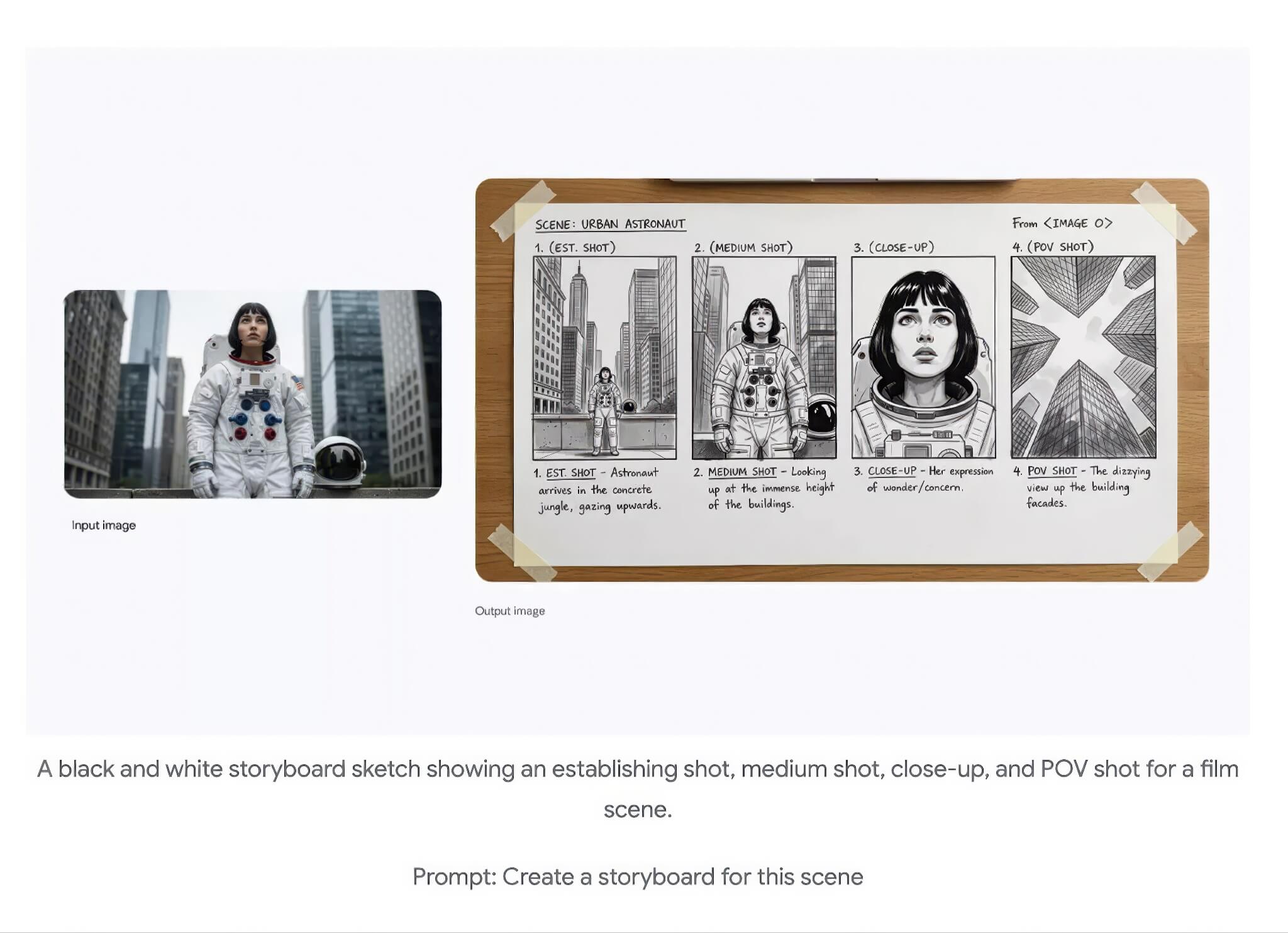
Users can combine up to 14 reference images, with the model retaining the exact distinctive features of up to five individuals to create more reliable group compositions. Consistency has also been improved: core attributes such as facial structure, color palettes, and clothing remain stable across multiple images generated in a single session.
Another notable feature allows users to upload a photo or an AI-generated image for refinement. They can adjust specific components such as camera angle, lighting, or color grading while keeping other elements intact. This targeted control capability helps reduce the risk of creating unwanted visual artifacts, a common issue with less advanced models.
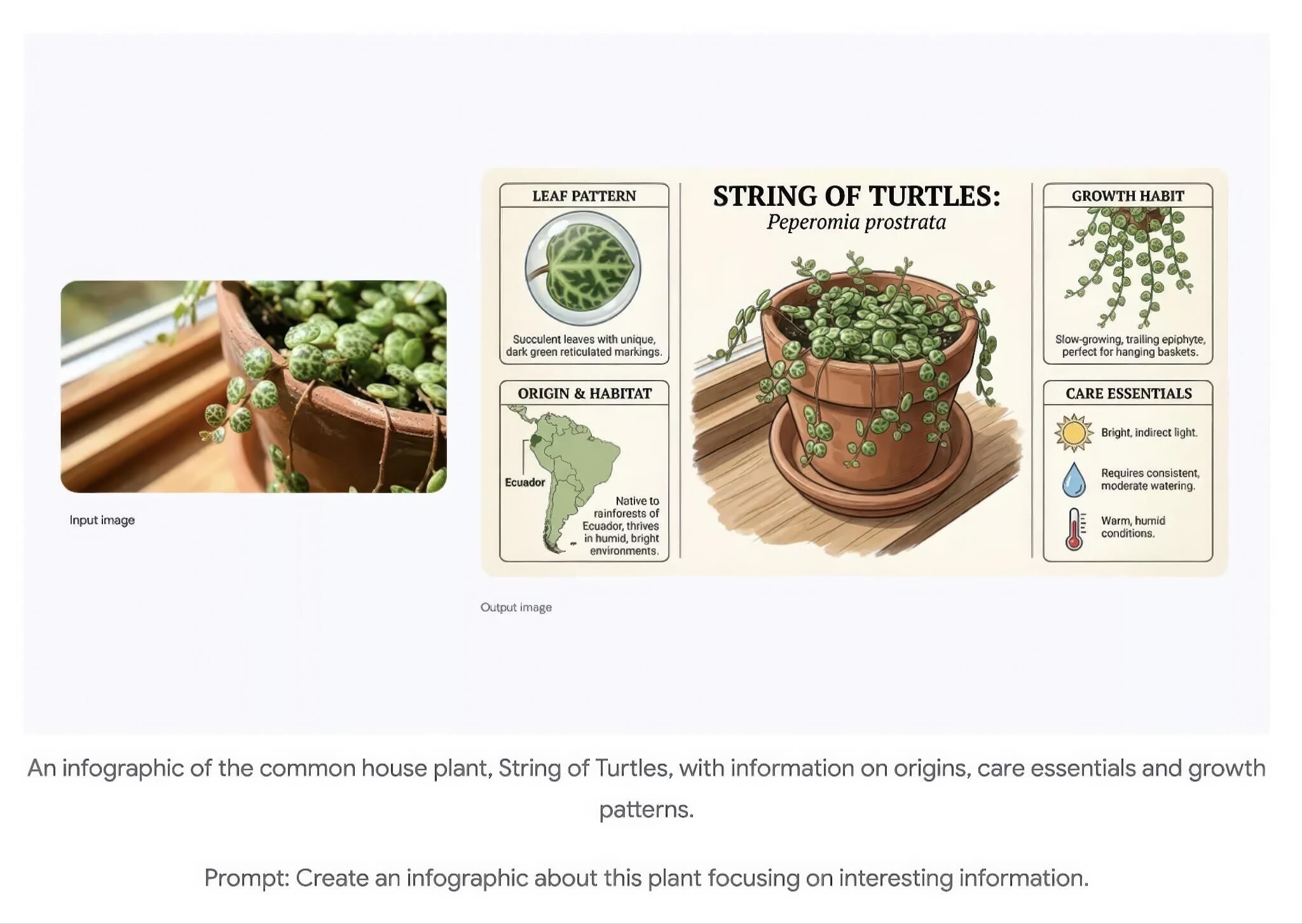
The model now supports image rendering up to 4K resolution, an enhancement specifically designed for commercial applications such as marketing materials, data visualization, and complete infographics-all achievable in a single processing pass.
SynthID, C2PA, and Google's Transparency Strategy
All images created with Nano Banana Pro include an embedded SynthID watermark. This watermark can be detected through Google's specialized tools. This invisible signature, combined with expanded C2PA metadata, is a crucial transparency element. It helps verify content as AI-generated even as realism increases and manual inspection becomes insufficient.
The Gemini app has been correspondingly upgraded, allowing users to query uploaded images to check for AI origin and confirm whether the content originates from the Google ecosystem by scanning for SynthID. AI Ultra subscribers can generate images without visible watermarks, although the invisible SynthID is still retained for traceability. Users on lower tiers or using free services will still see a Gemini twinkle watermark in the corner of the generated image.
Nano Banana Pro is available through the Gemini app, with usage limits varying by subscription tier. Free users can explore new features but will encounter output limits, after which access reverts to the basic, non-Pro version. AI Ultra subscribers receive the highest throughput along with advanced watermark options, while standard Gemini Pro users are allocated moderate usage levels.
The launch of Nano Banana Pro affirms that Google aims to compete head-to-head with other leading AI image models, not only in terms of creativity but also in responsibility and transparency in generating synthetic content.