
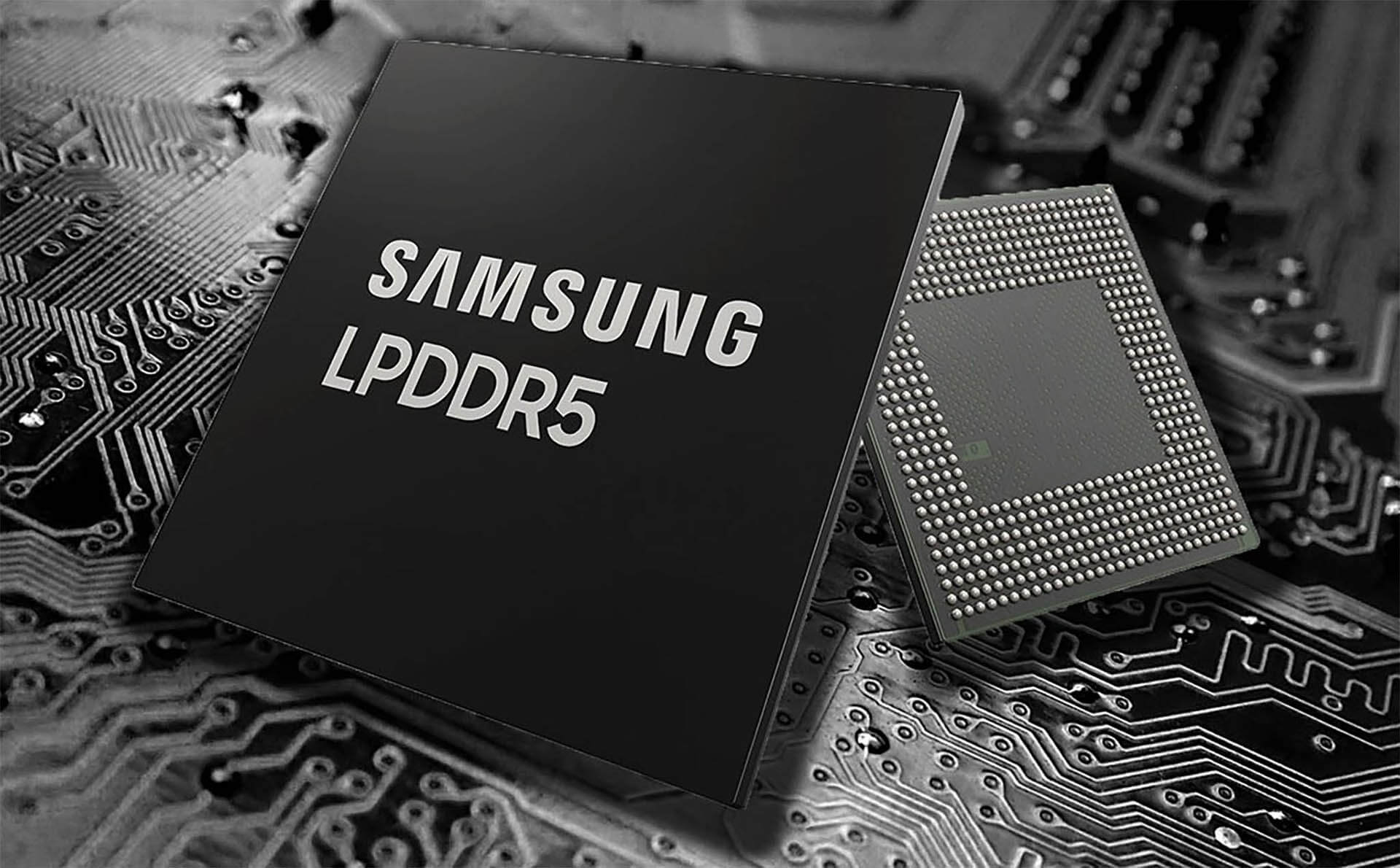
When discussing the latest RAM types on the market, LPDDR5 and DDR5 are the two most advanced technologies today. Both offer significant performance improvements over previous generations, but they also have key differences. Let's look at some important details of these two types of RAM with Hung Phat.
LPDDR5 RAM - Low Power
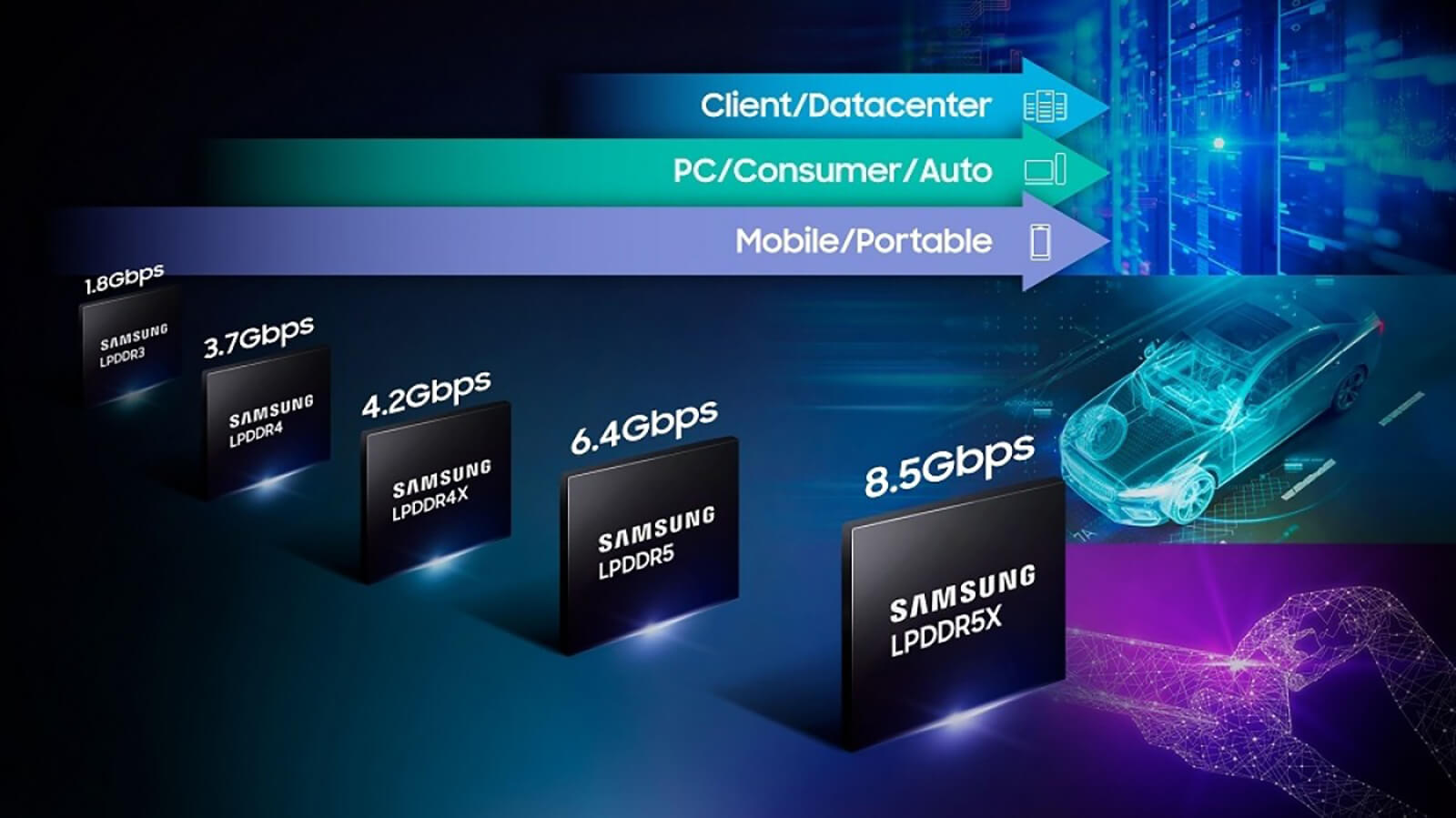
- Performance: LPDDR5 RAM delivers extremely fast data transfer speeds, up to 6400 MT/s, significantly outperforming the previous LPDDR4x. This helps improve multitasking capabilities and resource-intensive applications.
- Energy Efficiency: LPDDR5 is designed to be more power-efficient, helping to extend the battery life of mobile devices. Using LPDDR5 can improve both device performance and usage duration.
- Compatibility: LPDDR5 can operate in various power consumption modes, ranging from high performance to battery saving. This helps optimize performance for each specific application.
DDR5 RAM
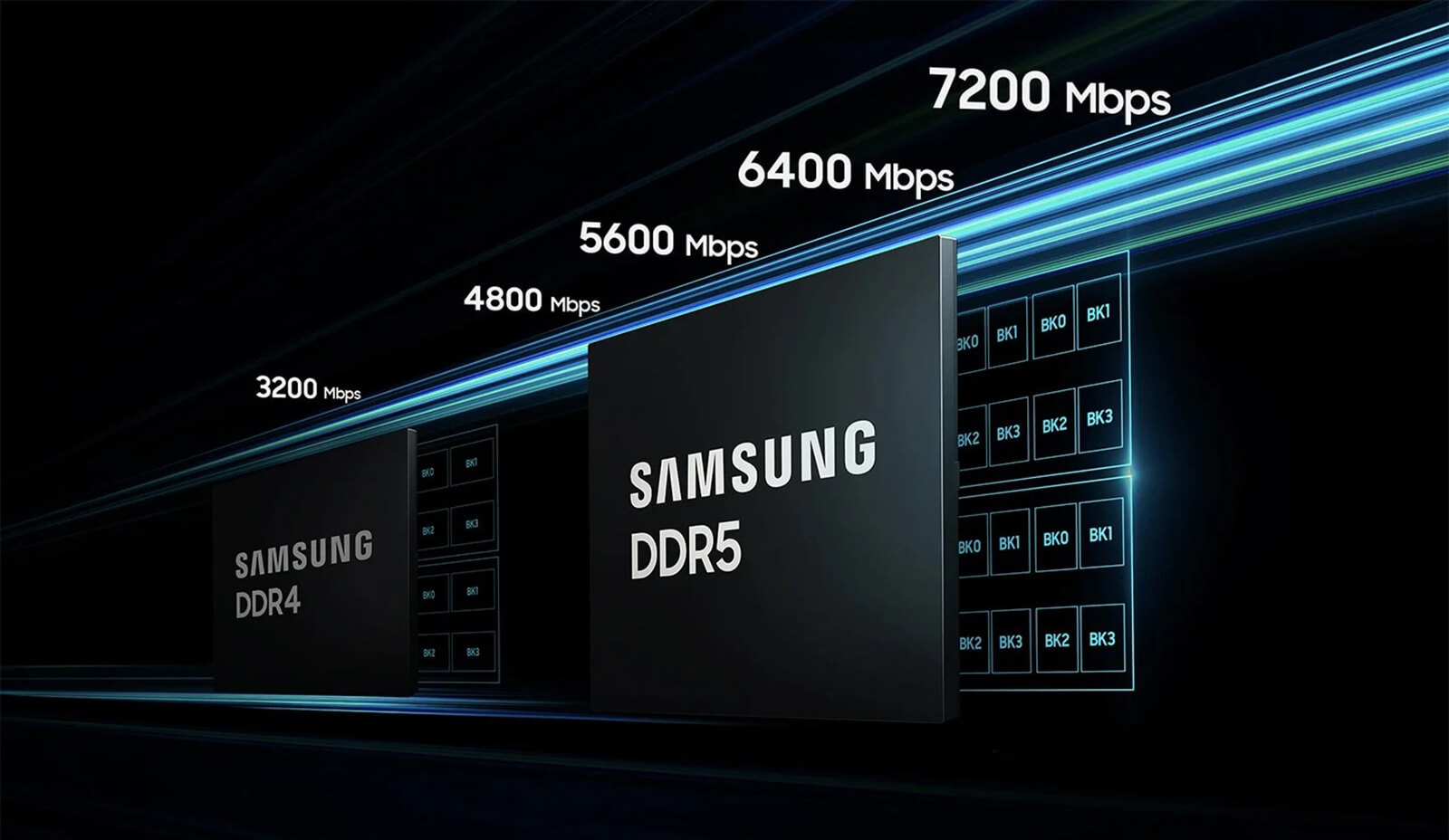
- Speed: DDR5 RAM provides wider bandwidth and faster data transfer speeds compared to the previous DDR4. With speeds up to 4800 MT/s, DDR5 is the top choice for high-performance desktop/laptop systems.
- Capacity: DDR5 supports larger capacities per RAM stick, helping to increase simultaneous data processing and multitasking capabilities. This makes DDR5 a popular choice for specialized computers and servers.
- Low Latency: DDR5 reduces memory access latency, improving system response times and increasing processing efficiency. This makes DDR5 an ideal choice for applications requiring precision and reliability.
Comparing DDR5 and LPDDR5
| Criteria | LPDDR5 | DDR5 |
|---|---|---|
| Data Transfer Speed | 6400 MT/s | 4800 MT/s |
| Energy Efficiency | Yes | No |
| Supported Capacity | Low | High |
| Access Latency | High | Low |
While LPDDR5 is suitable for mobile devices that need high performance and energy efficiency, DDR5 is the top choice for computer systems requiring high performance and large capacity. The choice between LPDDR5 and DDR5 depends on the specific usage needs of each system.
Maximum Performance or Energy Efficiency with Optimal Efficiency?
When choosing RAM for your system, users often face the question: should you choose RAM with the highest peak performance or RAM that is more energy-efficient and effective? To answer this question, it is necessary to consider the following important factors:
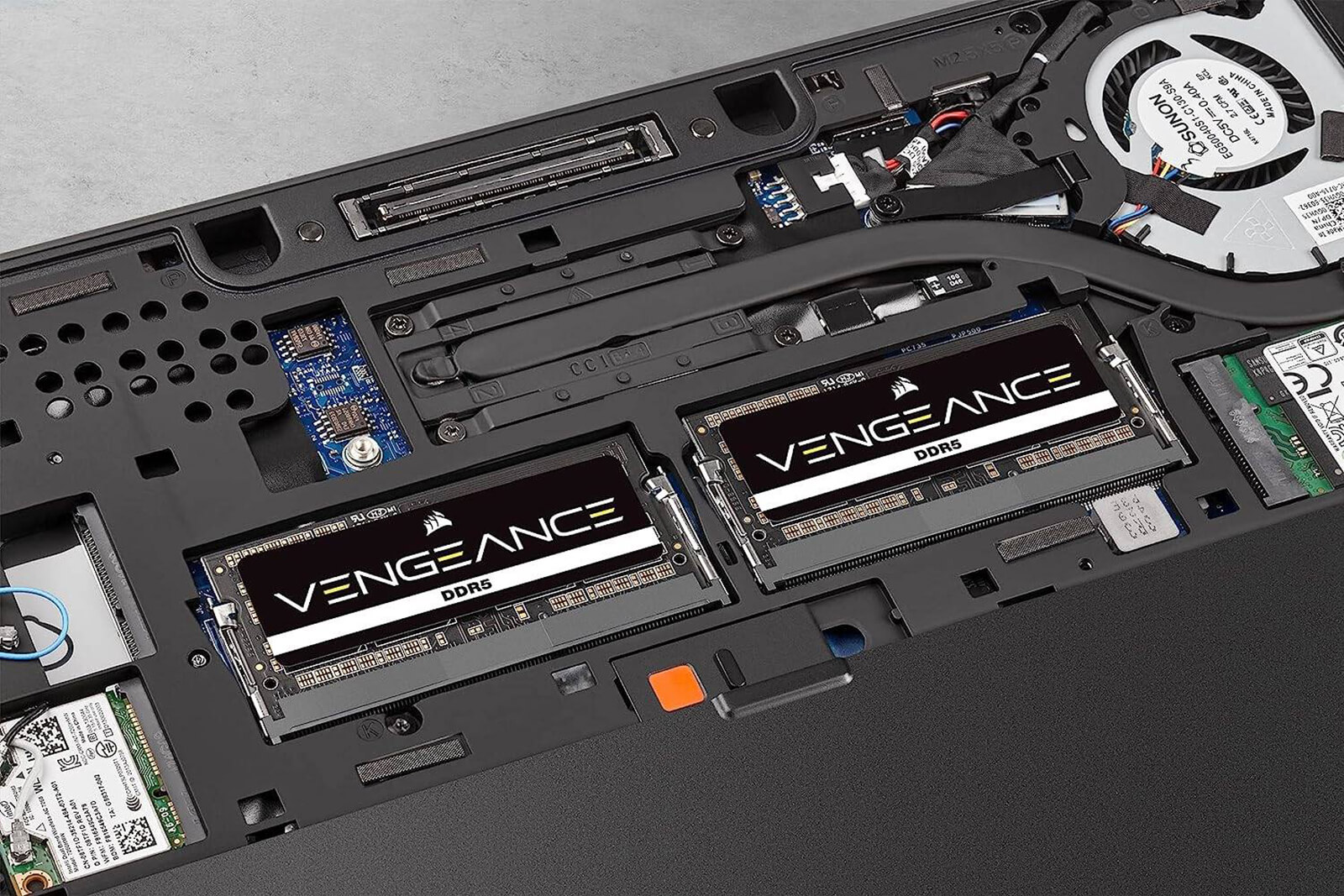
DDR5 - The RAM series that delivers maximum performance
- Advantages of DDR5 RAM:
- Fast processing speed: High-performance RAM helps accelerate data and program processing.
- Smooth multitasking: Systems with high-performance RAM are capable of handling many tasks simultaneously without lagging.
- Disadvantages:
- High power consumption: High-performance RAM often consumes more energy, which can increase electricity bills.
- Ideal choice for:
- Gamers playing high-configuration titles.
- Users working with high-quality graphics and video.
LPDDR5 - The energy-saving RAM series with optimal efficiency
- Advantages of LPDDR5 RAM:
- Energy saving: Energy-saving RAM helps extend battery life and reduce electricity costs.
- Stable performance: Although it may not have the highest processing speed, energy-saving RAM often ensures stable performance during long periods of use.
- Disadvantages:
- Performance limitations: Energy-saving RAM may not meet the demands of high-intensity data processing and applications.
- Ideal choice for:
- Laptops and mobile devices that need long battery life.
- Office work with basic office applications.
In summary, the choice between maximum performance or better efficiency depends on the specific needs of the user. For high-demand applications, maximum performance may be the top choice, while for mobile and office devices, better efficiency may be the smarter choice.