
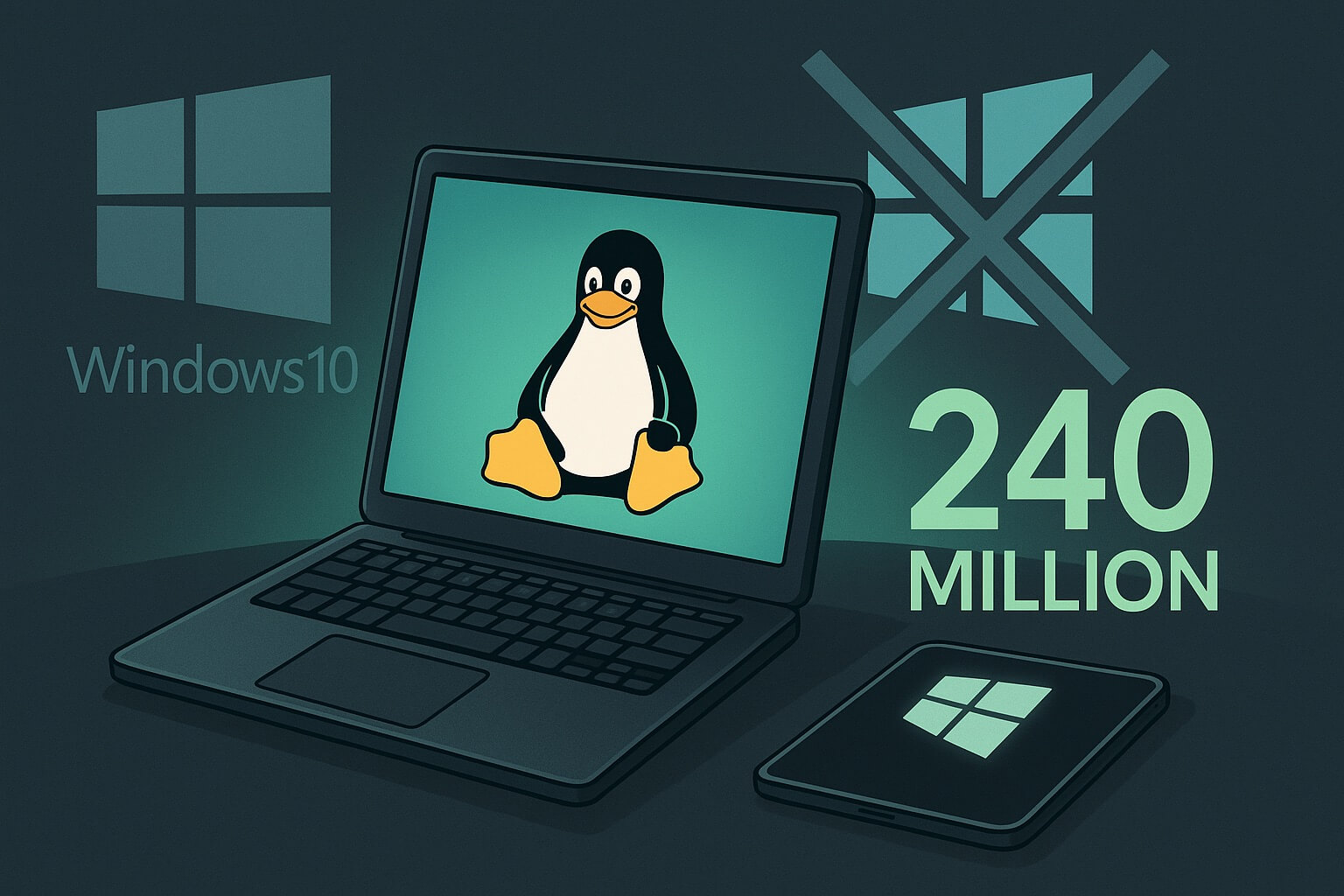
The "End Of 10" project has just been launched with the aim of rescuing hundreds of millions of old computers running Windows 10 from the risk of becoming obsolete this coming October. Instead of forcing users to buy new devices to upgrade to Windows 11 as Microsoft desires, this project introduces Linux as a free, secure, and environmentally friendly alternative.
It is estimated that approximately 240 million computers will become obsolete when Windows 10 reaches the end of its lifecycle on October 14, 2025. Although Windows 10 is still more popular than Windows 11, Microsoft has decided to stop providing updates for most Windows 10 devices after this date. This poses a major challenge for users whose computers do not meet the strict hardware requirements of Windows 11.
Why "End Of 10" is a necessary solution for Windows 10 users
The newly created "End Of 10" website provides simple instructions for installing Linux, while explaining the advantages of this open-source operating system compared to Windows. The project primarily targets Windows 10 computer users who are ineligible to upgrade to Windows 11 due to hardware limitations.
Windows 11 only supports 8th Gen Intel and AMD Ryzen 2000 processors or higher, cutting off most systems manufactured before 2017. However, "End Of 10" argues that many computers manufactured from 2010 onwards can still function well. This leaves PC repair shops and second-hand stores to consider whether they should recycle old machines, continue distributing increasingly vulnerable Windows 10 systems, or switch to Linux-a safe but unfamiliar option for most users.
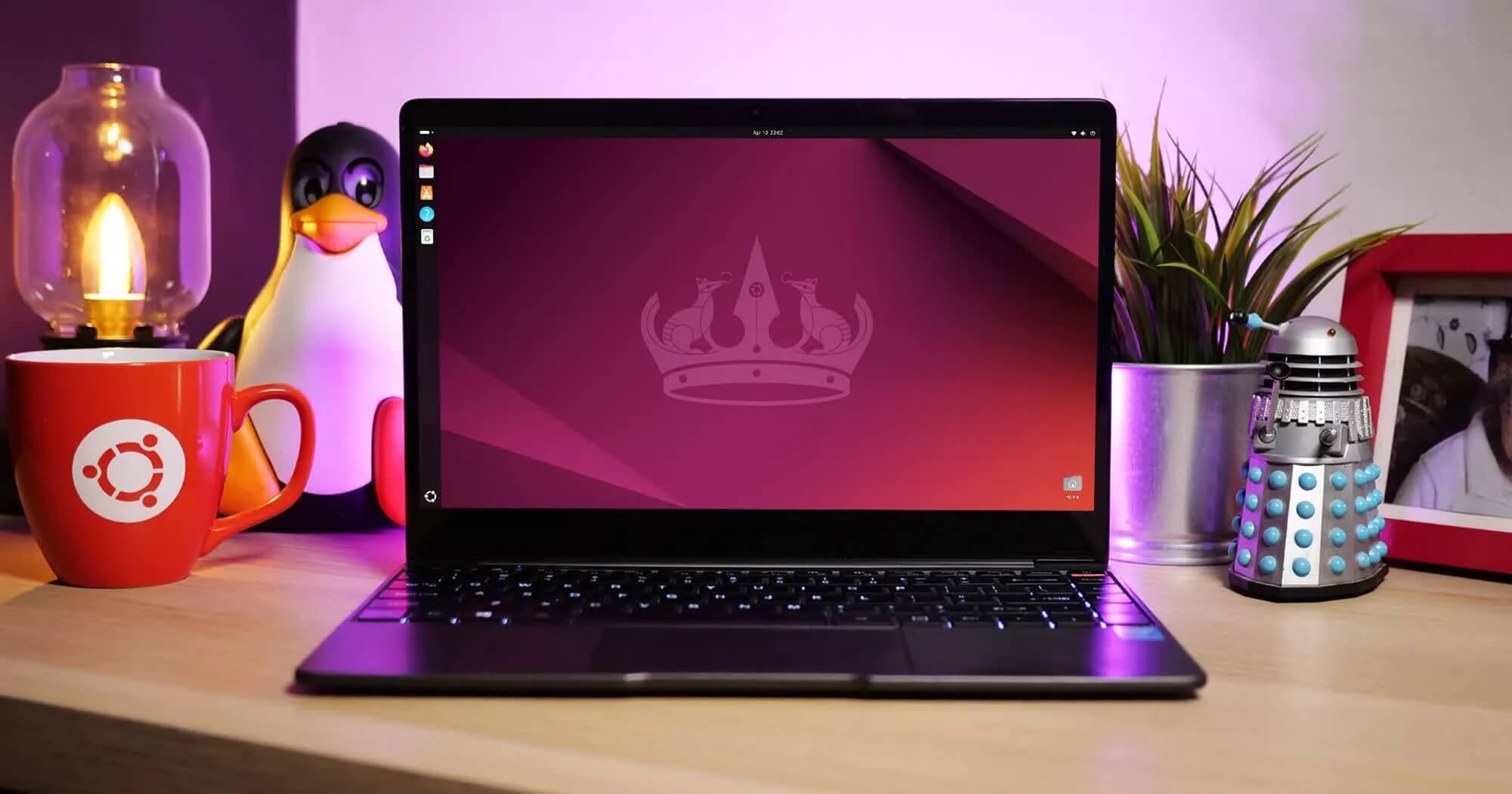
While Microsoft continuously sends emails and uses other tactics to promote Windows 11 through the sale of new PCs (especially Copilot+ PCs), "End Of 10" encourages users to switch to Linux. The website highlights several advantages, focusing on cost savings and better software control.
Linux supports many old PCs that do not receive Windows 11 updates, so users often do not need to upgrade their hardware. This operating system is completely free to download, compared to the $15 price (when on sale) for Windows 11 Pro. Continuing to use old machines also helps reduce emissions, as a large portion of the carbon footprint in a PC's lifecycle comes from the manufacturing process.
Key benefits of switching from Windows 10 to Linux
In addition to saving costs, Linux offers many other benefits to users. This operating system has better security capabilities because it is not controlled by a corporation that tracks user behavior. Linux is also less prone to malware attacks because most cyberattacks target other operating systems. Finally, experienced users gain complete control over their computers.
"End Of 10" lists repair shops worldwide that help new users switch to Linux. The current list is small, primarily including locations in Europe, and only one company based in the United States. However, other shops and organizations are welcome to add their contact information to the list. "End Of 10" also provides information about upcoming Linux tutorial events in many countries.
The website also provides quick DIY installation guides. Although some popular programs on Windows and macOS require alternatives on Linux, users who primarily use web browsers may not notice a significant difference after switching from Windows.
The "End Of 10" project emphasizes five compelling reasons to upgrade old computers to Linux:
- Much more cost-effective than buying a new computer
- No ads, no spyware
- Protect the environment by reducing e-waste
- Free community support
- Complete control over your computer
The "End Of 10" website is supported by the KDE community, providing guidance and information for Windows 10 users wanting to switch to Linux. This project asserts that Linux is free and has no ads or spyware. Another important point is the environmental impact: installing Linux on old hardware helps reduce e-waste and the carbon emissions associated with manufacturing new computers.
Summary: "End Of 10" is working to turn the challenge of the end of Windows 10 support into an opportunity to introduce Linux to more users. It remains unclear whether the upcoming end of Windows 10 will drive users away from Microsoft. Although more than half of Windows devices still run Windows 10 according to StatCounter, the Windows 11 adoption rate has increased significantly in recent months and may soon surpass the older operating system. However, with 240 million computers facing the risk of obsolescence, Linux is becoming an attractive, sustainable, and cost-effective alternative.