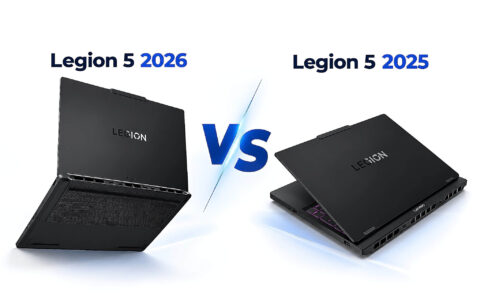

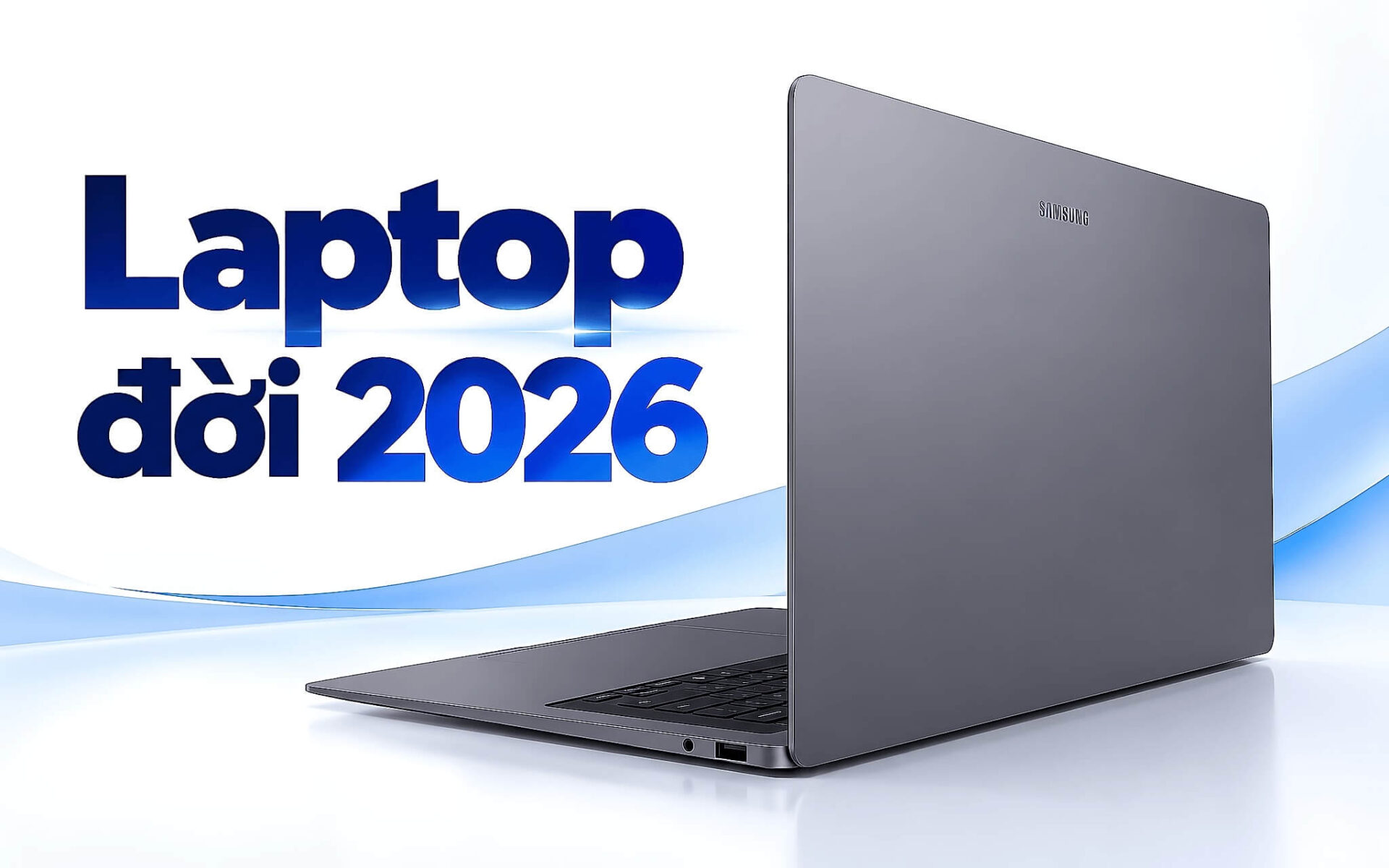
With manufacturers rolling out new processors across the board this year, 2026 laptops differ from last year's models primarily in their processors, integrated graphics, and on-device AI capabilities. These AI capabilities are measured by the NPU - a dedicated processor for AI workloads - in TOPS (trillions of operations per second). This article breaks down what is new in Intel Panther Lake, Wildcat Lake, and AMD Ryzen AI 400 chips, who should upgrade to a 2026 model, when buying a discounted 2025 machine still makes sense, and reviews 5 models currently available from 23.69 million to 69.9 million VND.
What Changed in 2026 Laptop Processors Compared to Last Year
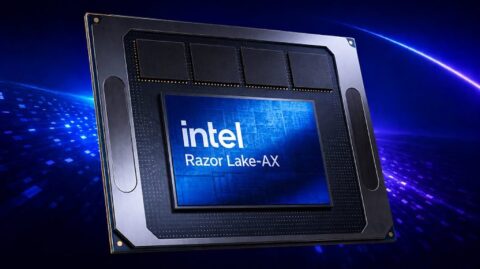
The biggest change in 2026 laptops lies in their silicon. Intel calls its new generation Core Ultra Series 3, codenamed Panther Lake, and according to Intel's CES 2026 announcement, it is the first AI laptop platform built on the Intel 18A process node. Top-tier configurations feature up to 16 CPU cores, 12 Xe-core integrated graphics, and an NPU delivering 50 TOPS. Intel noted that laptops powered by these chips hit global shelves starting January 27, 2026, with more than 200 partner designs, offering plenty of options for anyone looking to upgrade to a 2026 model.
Intel also created a separate Core Ultra X7 and X9 tier for configurations with enhanced graphics. Intel's spec sheets show that the Core Ultra X7 358H features an Arc B390 GPU with 12 Xe-cores, a maximum clock speed of 2.5 GHz, and support for LPDDR5X RAM up to 9600 MT/s. If you want to see how this integrated GPU handles gaming and graphic workloads compared to AMD's Radeon lineup, the article Intel Arc B390 integrated graphics outperforms AMD rival by up to 73% compiles specific benchmarks to help you set the right expectations before choosing a laptop without discrete graphics.
On AMD's side, the Ryzen AI 400 series launched on January 5, 2026, leveraging the Zen 5 architecture and an XDNA 2 NPU. AMD claims this NPU reaches up to 60 TOPS, with top-end variants featuring 12 cores. The chip lineup and laptop release schedule are summarized in AMD Ryzen AI 400 launches: 60 TOPS as 2026 AI laptops pick up speed. In the mainstream segment, Intel added the Wildcat Lake lineup starting in Q2 2026, exemplified by the Core 5 320 with 6 cores, a 16 TOPS NPU, and single-channel memory, aimed at lower-priced systems.
Four Processors Powering Current 2026 Laptops
The five 2026 laptops recommended later in this article use four different processors, spanning entry-level to high-end segments. The table below compares their specs side by side, based on official specification pages from Intel and AMD. The NPU column is the first metric to look at if you care about Windows AI features, while the core count and graphics columns reflect everyday workflow performance, such as multitasking, photo editing, or exporting video.
| Processor | Chip family | Cores / Threads | Integrated graphics | NPU (TOPS) |
|---|---|---|---|---|
| Intel Core 5 320 | Wildcat Lake | 6 / 6 | Intel Graphics, 2 Xe-cores | 16 |
| Intel Core Ultra 5 322 | Panther Lake | 6 / 6 | Intel Graphics, 2 Xe-cores | 46 |
| AMD Ryzen AI 7 445 | Ryzen AI 400 | 6 / 12 | Radeon 840M | 50 |
| Intel Core Ultra X7 358H | Panther Lake | 16 / 16 | Arc B390, 12 Xe-cores | 50 |
Microsoft sets the baseline for the Copilot+ PC standard at an NPU with at least 40 TOPS, 16 GB of RAM, and a 256 GB drive - requirements Lenovo explicitly details in the PSREF documentation for the Yoga 7 2-in-1 14IPH11. Three processors - Core Ultra 5 322, Ryzen AI 7 445, and Core Ultra X7 358H - clear this threshold, while the Core 5 320 reaches only 16 TOPS. As such, not every 2026 laptop qualifies as a Copilot+ PC; Wildcat Lake models still run Windows 11 normally, but lack certain on-device AI features.
Core counts also vary significantly. The Core Ultra 5 322 and Core 5 320 both feature 6 cores and 6 threads, consisting of 2 performance cores and 4 efficiency cores; the Ryzen AI 7 445 has 6 cores and 12 threads, while the Core Ultra X7 358H packs 16 cores. Integrated graphics show an even clearer divide: the Arc B390 features 12 Xe-cores, six times the 2 Xe-cores found on the two mainstream Intel chips, making it the primary factor driving laptop prices.
Who Should Upgrade to a 2026 Laptop This Year
The first group that should upgrade to a 2026 machine consists of users currently running three- to five-year-old laptops with worn-out batteries and chips lacking an NPU. For this group, the jump in performance, battery life, and AI capabilities is substantial enough to notice on day one. You should opt for a model that meets the Copilot+ PC standard - meaning an NPU with 40 TOPS or higher - to take full advantage of features like semantic search, call noise cancellation, and camera effects that run locally without sending data to the cloud.
The second group includes users who need capable graphics in a thin and light form factor - such as editing photos, producing short social media videos, or casual gaming - but do not want to carry a thick, heavy laptop with discrete graphics. Configurations powered by the Core Ultra X7 358H with Arc B390 graphics are the most practical choice for these needs. Upgrading to a 2026 model makes sense if portability is your top priority, since powerful graphics built directly into the processor allow the chassis to stay slim and preserve battery life.
The third group consists of mobile professionals who require long battery life and stable network connectivity. Lenovo reports that the Yoga 7 2-in-1 14IPH11 with a WUXGA OLED panel delivered up to 31 hours of video playback in its internal tests, while Samsung's press release rates the Galaxy Book6 Pro for up to 30 hours of video playback. According to documentation from Lenovo, Samsung, and Dell, three of the five models recommended later in this article feature Wi-Fi 7. If you do not fall into these three categories, there is no need to rush into a 2026 upgrade - a discounted 2025 laptop will still handle your needs well.
When Buying a Discounted 2025 Laptop Still Makes Sense
Not everyone needs to upgrade to a 2026 model, because a newer chip is not necessarily more powerful than an older chip at the same price point. When you compare each pair of processors in the table below, you will notice that several mainstream 2026 chips have fewer cores than previous-generation mid-range options, while their NPUs deliver virtually identical performance. That is why discounted 2025 laptops remain well worth considering, especially when the price gap reaches several million VND or more. Specifications are sourced from the official AMD and Intel spec sheets.
| Processor | Launch Year | Cores / Threads | Integrated Graphics | NPU (TOPS) |
|---|---|---|---|---|
| AMD Ryzen AI 7 350 | 2025 | 8 / 16 | Radeon 860M | 50 |
| AMD Ryzen AI 7 445 | 2026 | 6 / 12 | Radeon 840M | 50 |
| Intel Core Ultra 7 258V | 2024 | 8 / 8 | Arc 140V, 8 Xe-cores | 47 |
| Intel Core Ultra 5 322 | 2026 | 6 / 6 | Intel Graphics, 2 Xe-cores | 46 |
| Intel Core Ultra 7 265H | 2025 | 16 / 16 | Arc 140T, 8 Xe-cores | 13 |
| Intel Core Ultra X7 358H | 2026 | 16 / 16 | Arc B390, 12 Xe-cores | 50 |
The Ryzen AI 7 350, launched in February 2025, features 8 cores and 16 threads, outnumbering the 2026 Ryzen AI 7 445 with its 6 cores and 12 threads, while both NPUs reach 50 TOPS. The Core Ultra 7 258V packs 8 cores, Arc 140V integrated graphics with 8 Xe-cores, and a 47 TOPS NPU, easily outperforming the Core Ultra 5 322 on the graphics front. For these two pairings, choosing a discounted 2025 laptop powered by Ryzen AI 300 or Core Ultra 200V is a cost-effective route that still meets the Copilot+ PC standard.
Conversely, you should be cautious with 2025 laptops powered by Core Ultra 200H chips like the Core Ultra 7 265H. While this chip offers 16 cores and solid CPU performance, its NPU delivers only 13 TOPS and falls short of the Copilot+ PC requirement. Before settling on a 2025 model, be sure to check the chip model number and its NPU rating on the spec sheet. The Core Ultra 7 258V also comes with its own limitation: Intel notes that the chip supports a maximum of 32GB RAM. In short, 2025 machines are well-suited for buyers who need high core counts at attractive prices, whereas users prioritizing AI workloads and graphics should look to Panther Lake-based 2026 laptops.
Three Worthwhile 2026 Laptops Under 40 Million VND
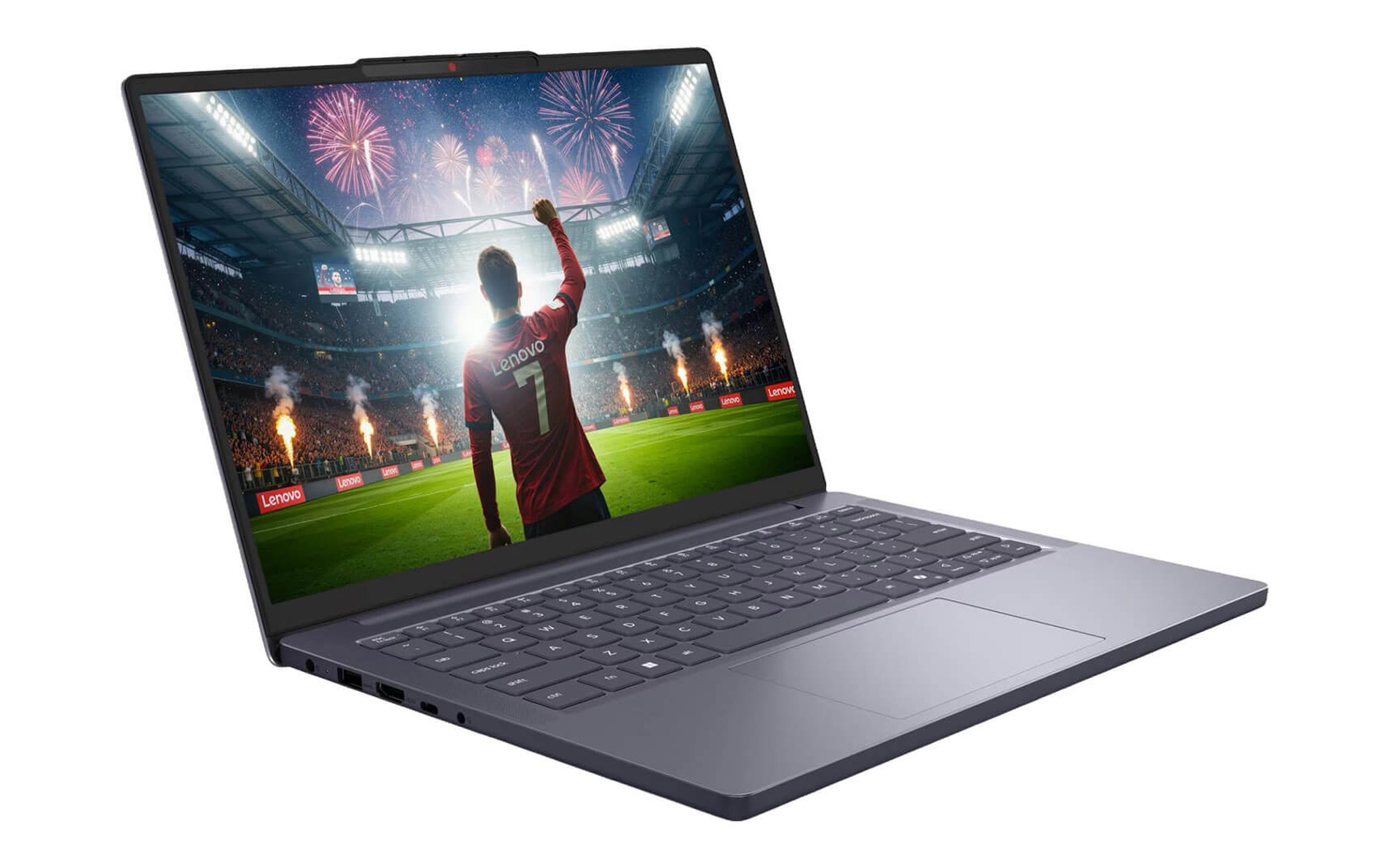
If you need a 2026 laptop for study and office tasks on the tightest budget, the Lenovo IdeaPad Slim 3 14 inch (2026) is currently available with a Core 5 320, 16GB RAM, 512GB SSD, and a 14-inch WUXGA display for 23.69 million VND. According to Lenovo PSREF documentation, the laptop features a single DDR5 SODIMM slot upgradeable to 32GB, has a starting weight of 1.39 kg, and packs a 50Wh battery. The Wildcat Lake chip features an NPU of only 16 TOPS, meaning this laptop is not a Copilot+ PC, but it offsets that with a genuine 24-month Lenovo Vietnam warranty.
For about 2 million VND more, the HP OmniBook 5 LaptopAI 16 inch (AMD) (2026) stands out as the most affordable AMD model in this guide to qualify as a Copilot+ PC. Configured with a Ryzen AI 7 445, 16GB RAM, 1TB SSD, and a 16-inch FHD+ screen, it is priced at 25.5 million VND. AMD's spec sheet lists the processor with 2 Zen 5 cores and 4 Zen 5c cores across 12 threads, clocking up to 4.6 GHz with a 50 TOPS NPU. The 1TB SSD capacity at this price point is well suited for users storing extensive documents, photos, and academic projects.
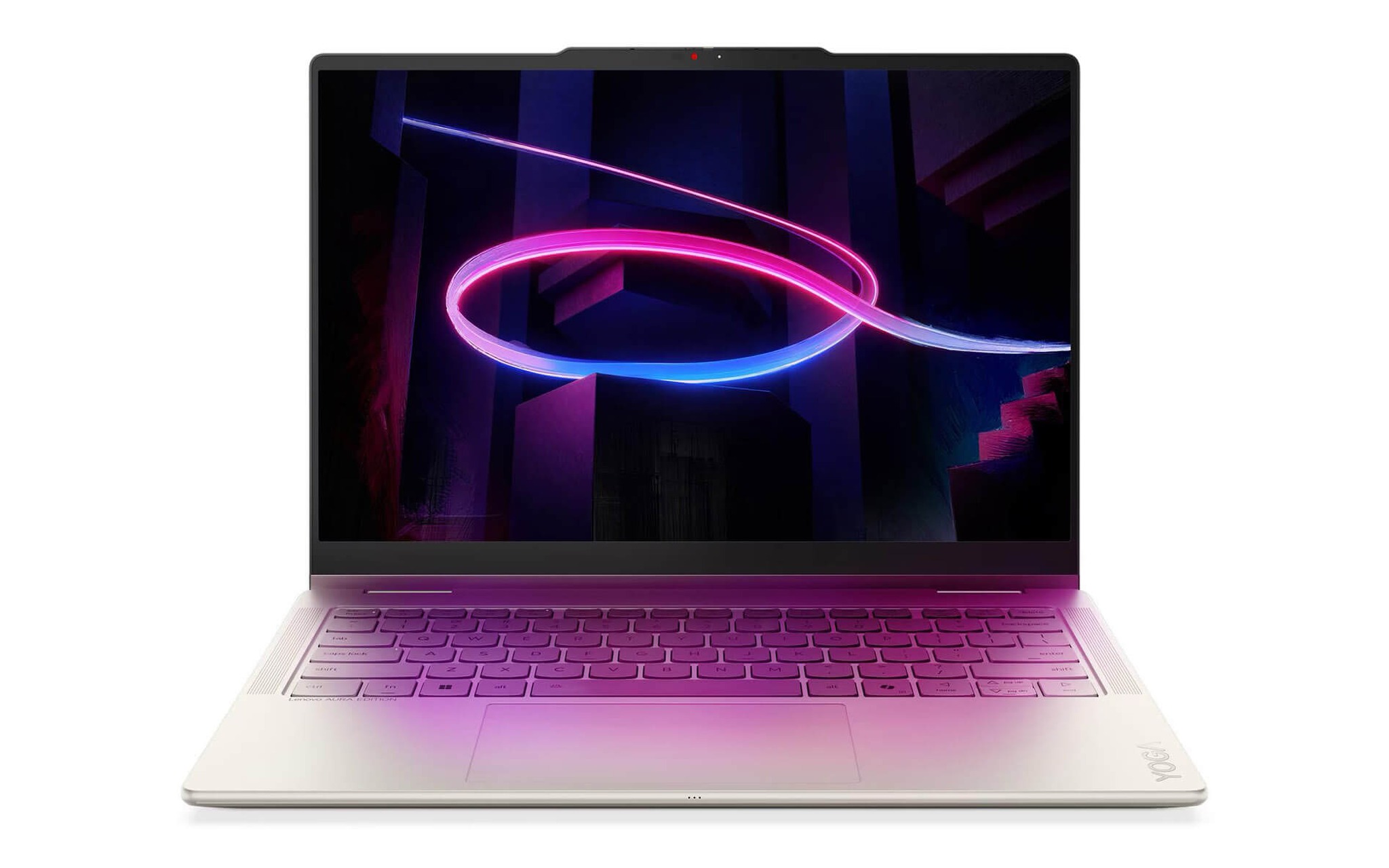
When you need a 2-in-1 convertible for note-taking, presentations, or sketching, the Lenovo Yoga 7 (2 in 1) 14IPH11 (2026) equipped with a Core Ultra 5 322, 16GB RAM, 512GB SSD, and a WUXGA OLED touchscreen starts at 37.99 million VND. According to PSREF documents, it features a 46 TOPS NPU, a 70Wh battery, two Thunderbolt 4 ports, Wi-Fi 7, and a starting weight of 1.38 kg. The RAM is soldered to the motherboard and cannot be upgraded, so you should consider the 32GB version for long-term use. The product page lists a genuine 36-month warranty.
Two Premium Arc B390 Laptops for Content Creators
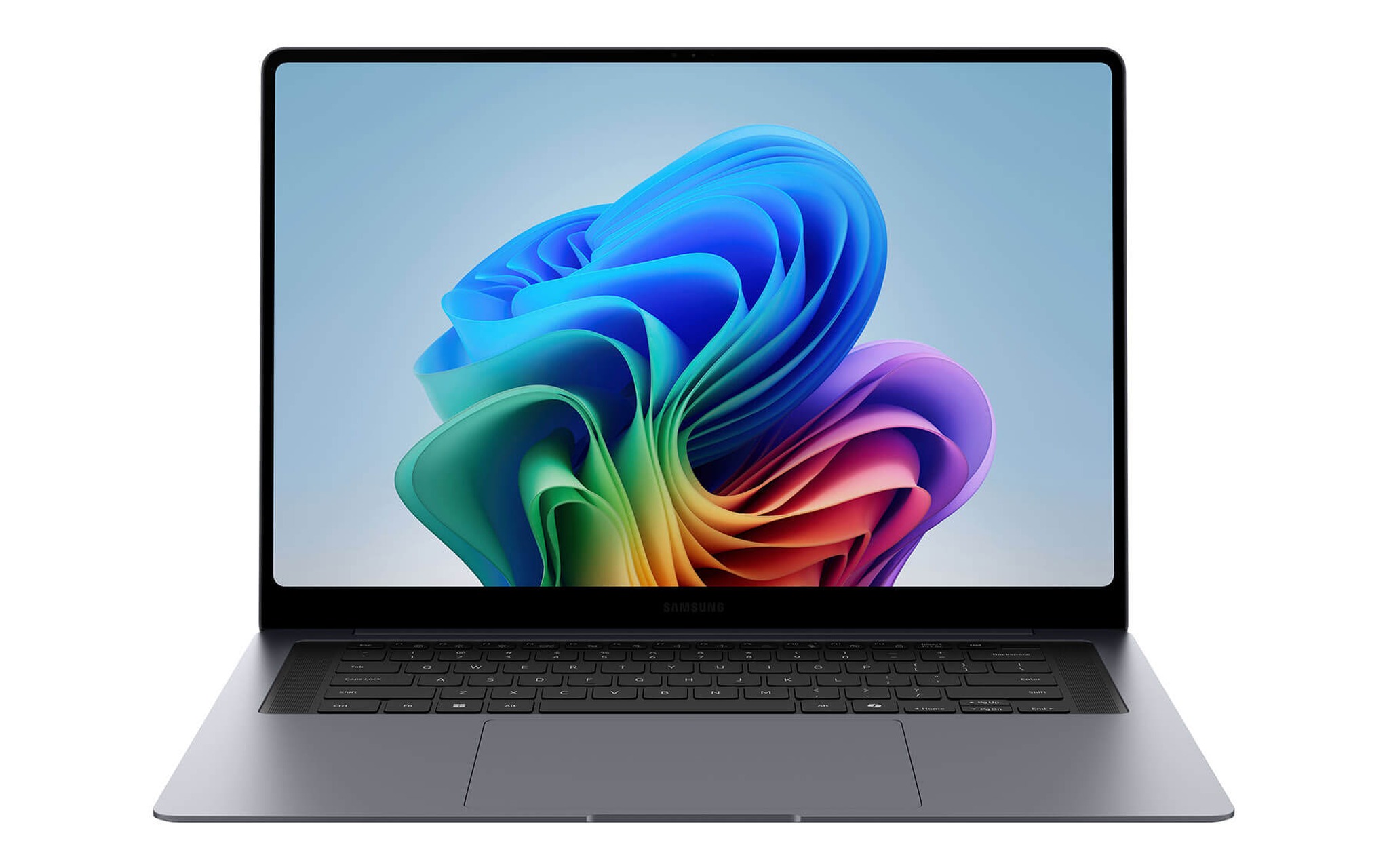
For creators who need a large workspace, the Samsung Galaxy Book6 Pro 16 inch (2026) configuration with a Core Ultra X7 358H, 32GB RAM, 1TB SSD, and Arc B390 graphics retails for 51 million VND, with the Core Ultra 7 356H option starting at a lower 42.5 million VND. This is a sensible upgrade path to 2026 hardware if you require a spacious screen. Samsung's press release states that the 16-inch Galaxy Book6 Pro features an anti-reflective AMOLED touchscreen, a 78.07Wh battery, weighs 1.59 kg, measures 11.9 mm thin, and provides two Thunderbolt 4 ports, HDMI 2.1, an SD card slot, and Wi-Fi 7.
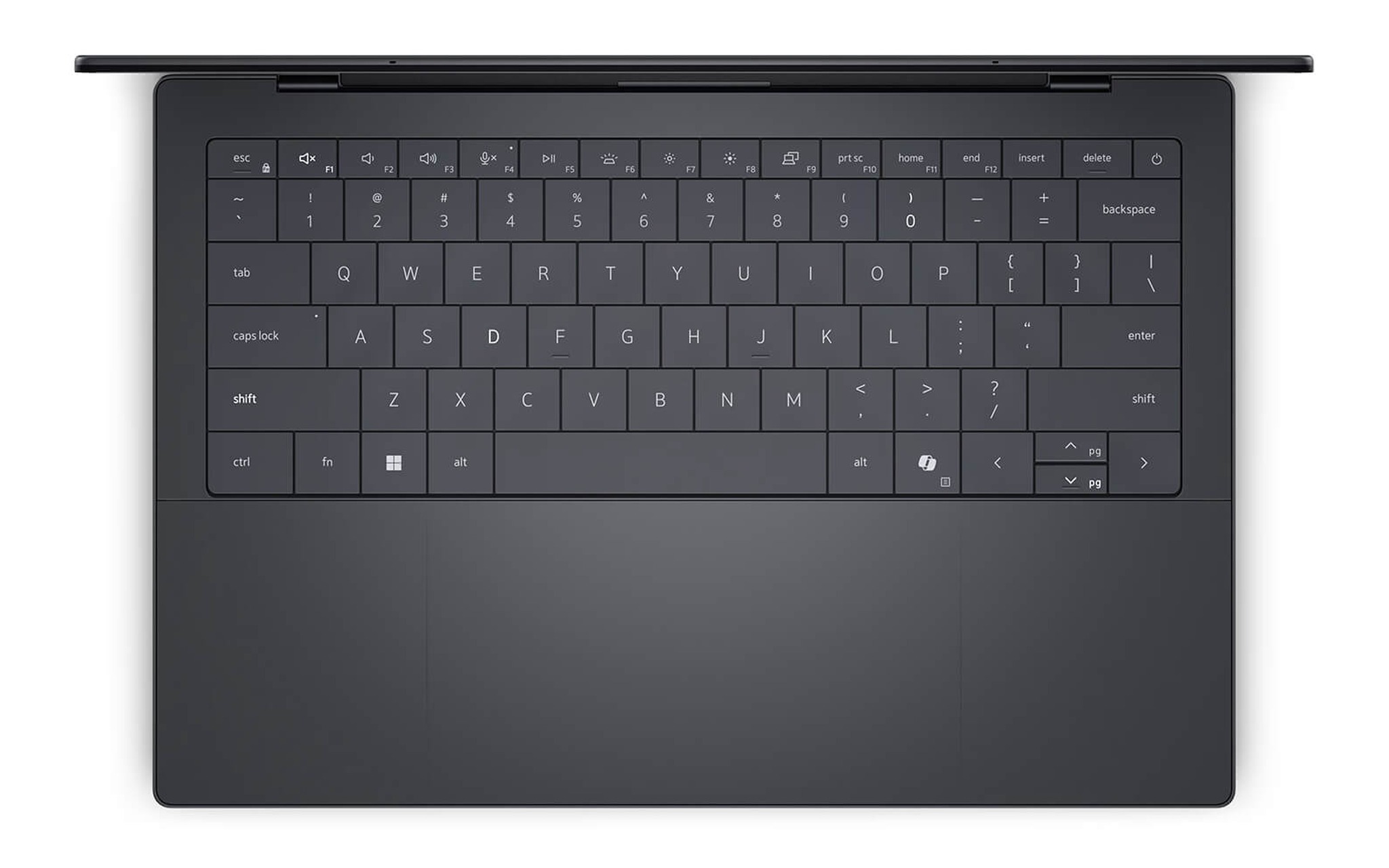
If you prefer a more portable 14-inch chassis, the DELL XPS 14 DA14260 (2026) houses the same Core Ultra X7 358H, 32GB RAM, and 1TB SSD, priced at 65 million VND for the standard display version and 69.9 million VND for the 2.8K OLED touch variant. Dell's spec sheet notes that the laptop packs a 70Wh battery, has a starting weight of 1.36 kg for the OLED model, measures 14.62 mm thin, and includes three Thunderbolt 4 ports supporting DisplayPort 2.1 alongside an Intel Wi-Fi 7 BE211 module with Bluetooth 6.0.
Because these two 2026 laptops share the same processor, their processing performance is comparable; the main differences come down to screen size, weight, and pricing. The Galaxy Book6 Pro 16 inch fits video editors and photo retouchers who require a expansive display area and an SD card slot. The XPS 14 suits mobile professionals who want a compact machine while still getting three Thunderbolt 4 ports to connect external monitors and storage drives.
Frequently Asked Questions
Do all 2026 laptops meet Copilot+ PC standards?
No. The Copilot+ PC standard requires an NPU of 40 TOPS, 16GB of RAM, and a 256GB drive. The Core Ultra Series 3 Panther Lake or Ryzen AI 400 models featured in this article all meet these requirements, but laptops using the Core 5 320 from the Wildcat Lake line only have a 16 TOPS NPU and do not belong to this group.
What is the difference between Panther Lake and Wildcat Lake?
Both are Intel chips launching in 2026 and manufactured on the Intel 18A process. Panther Lake is the mainstream line, with versions featuring up to 16 cores, Arc B390 graphics, and a 50 TOPS NPU. Wildcat Lake is the budget line; for example, the Core 5 320 has 6 cores, 2-core Xe graphics, a 16 TOPS NPU, and single-channel memory.
Can the RAM be upgraded on the models mentioned in this article?
Only the IdeaPad Slim 3 14 inch has a DDR5 SODIMM slot, supporting up to 32GB according to PSREF. The Yoga 7 2-in-1 14IPH11 uses soldered RAM according to PSREF, and the XPS 14 uses LPDDR5X according to Dell's spec page. For 2026 laptop models with soldered RAM, you should select sufficient capacity at the time of purchase, prioritizing 32GB if you do graphics work.
Should I choose an Intel or AMD chip for a 2026 laptop?
If you need powerful integrated graphics, choose the Intel Core Ultra X7 version using Arc B390. If your budget is around 25 million VND and you want to meet Copilot+ PC standards, the AMD Ryzen AI 7 445 offers a 50 TOPS NPU at a lower price than the Intel Panther Lake models in this article. For tighter budgets, discounted 2025 models using the Ryzen AI 7 350 also offer a 50 TOPS NPU.