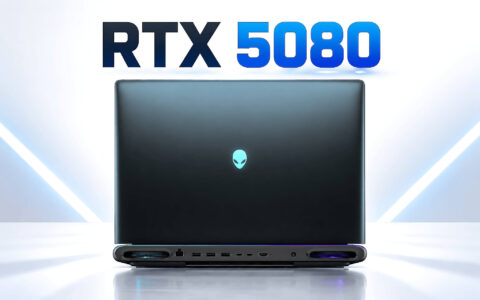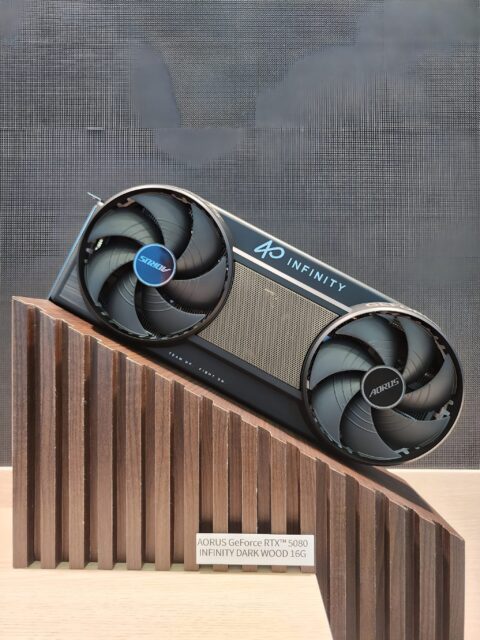

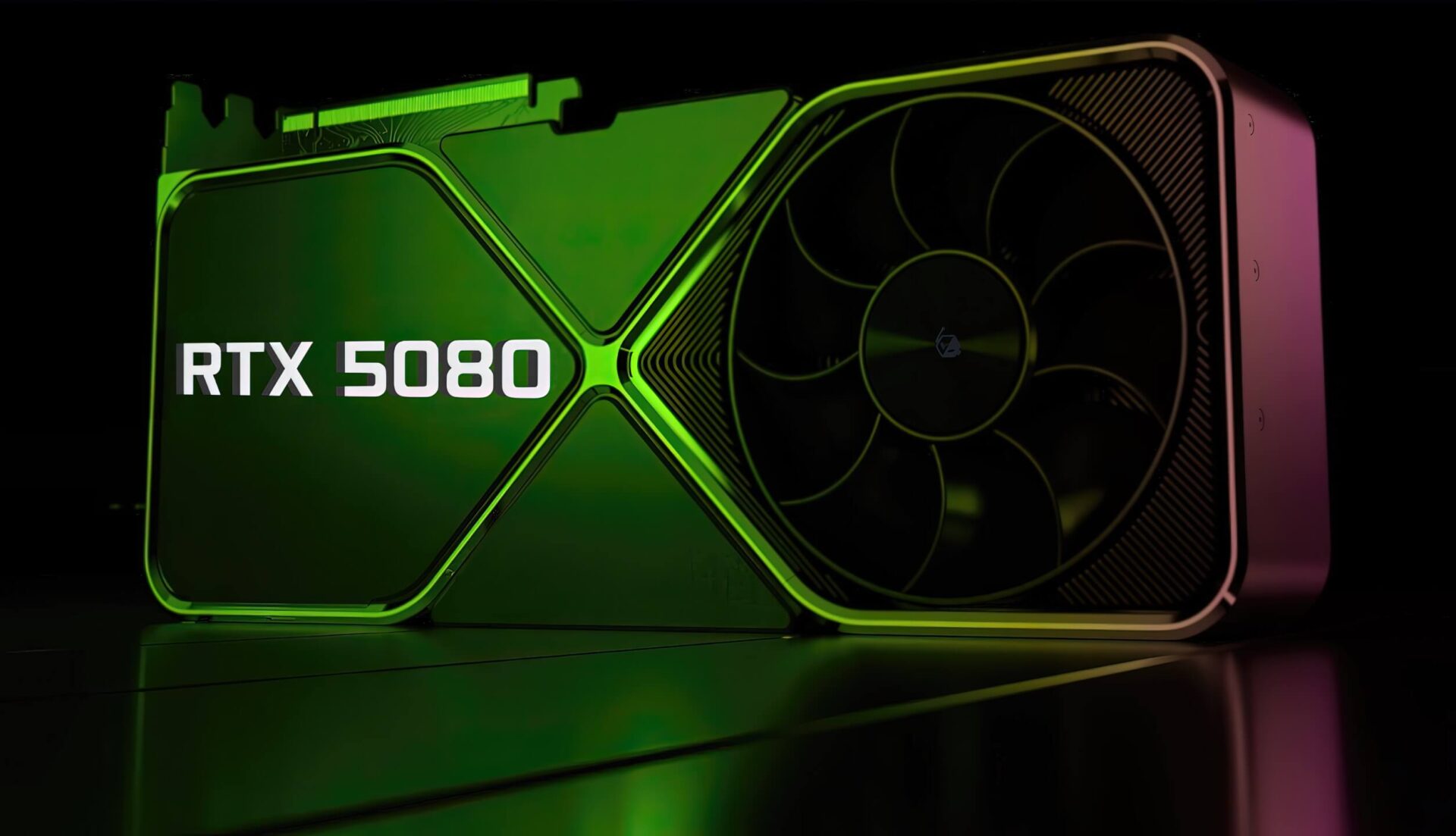
NVIDIA GeForce RTX 5080 will be the first GPU to use 32 Gbps GDDR7 memory upon launch.
The NVIDIA GeForce RTX 5090 and RTX 5080 GPUs will be the flagship products in the next-generation Blackwell lineup, with the RTX 5080 expected to feature the fastest DRAM solution on the market when released.
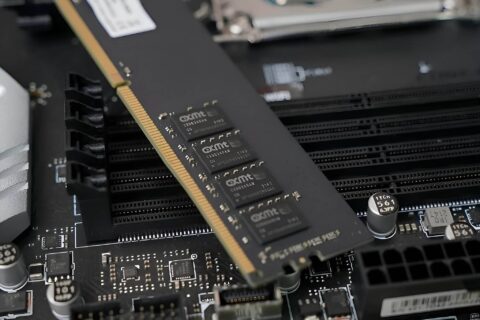
According to information from various sources, the NVIDIA GeForce RTX 5080 GPU, using the GB203 GPU core, will be equipped with 16 GB of GDDR7 memory operating at 32 Gbps. This speed is 4 Gbps faster than the 28 Gbps chips on the GeForce RTX 5090. The graphics card will have a 256-bit wide bus interface; therefore, the total memory bandwidth is expected to reach 1 TB/s.
This will represent a major leap compared to the RTX 4080 series, which only reaches a maximum of 736 GB/s bandwidth via the 23 Gbps GDDR6X solution. While the G6X solution is very impressive, GDDR7 will be a game-changer, providing higher bandwidth to GPUs, especially those with narrower buses. It is worth noting that the 32 Gbps speed will not be available across the entire product lineup; only the RTX 5080 will receive this feature first. It is possible that NVIDIA will upgrade the product line to faster speeds (G7) and larger capacities in the future, but for now, let's focus on what can be expected from the first release of these cards.
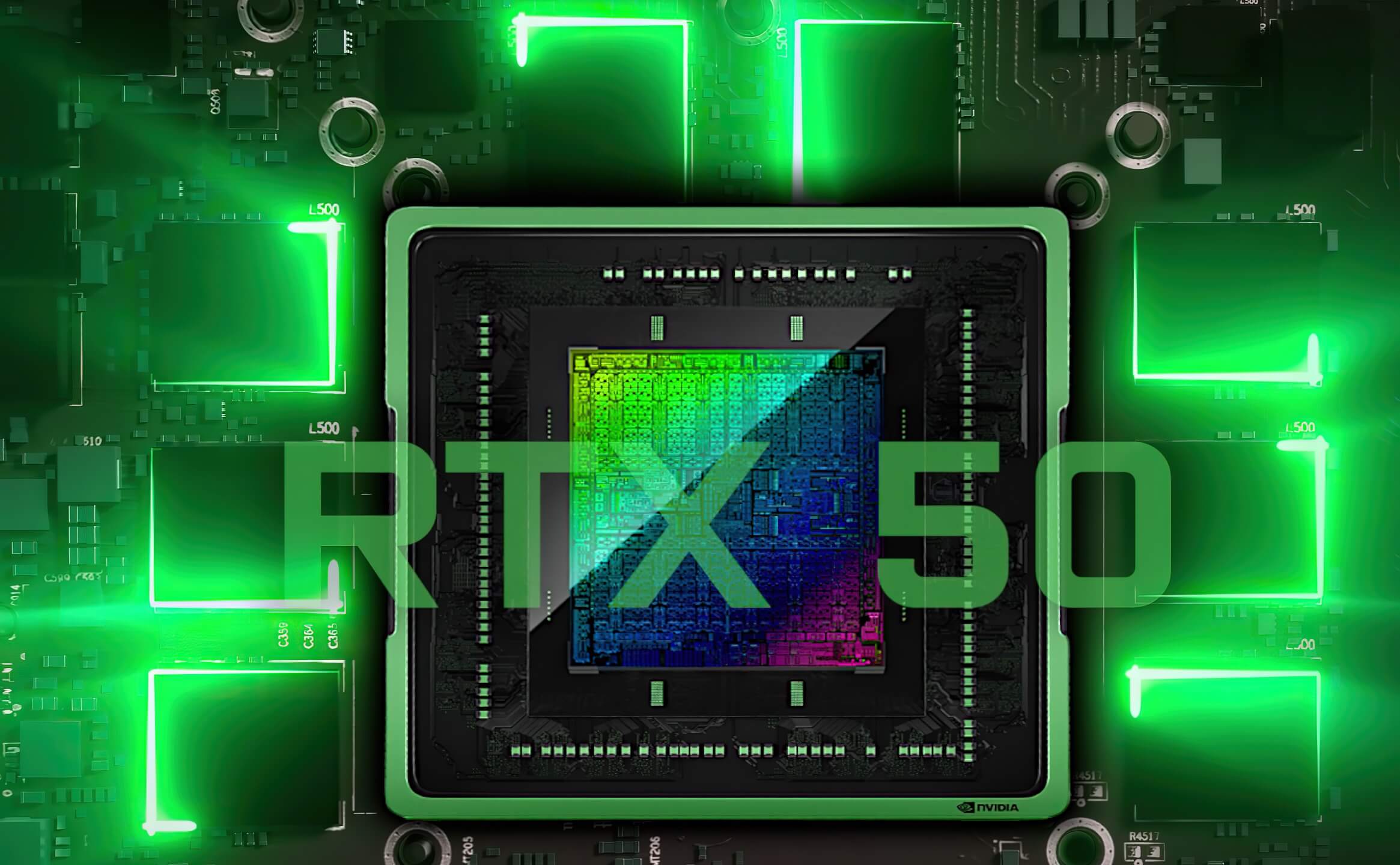
Based on the information provided, the NVIDIA GeForce RTX 5080 graphics card will use the PG144/147-SKU45 board and integrate the GB203-400-A1 GPU chip. This card will utilize the full GB203 GPU chip with 84 Streaming Multiprocessors (SMs) and 10,752 cores, a reduction of up to -51% compared to the RTX 5090. For comparison, the RTX 4090 and RTX 4080 have a core count difference of -40%, so overall performance will see a significant difference. This card will also have a rated power consumption of 400W TBP, marking a 25% increase in power, though actual figures may vary significantly.
Additionally, NVIDIA is expected to use 3 GB GDDR7 memory modules in the future, allowing for up to 24 GB of VRAM on the NVIDIA GeForce RTX 5080. This will benefit gamers and content creators, helping them leverage enhanced memory for content creation, AI tasks, or ensuring that games run smoothly and stably at high resolutions with advanced texture packs.
The NVIDIA GeForce RTX 5080 is expected to debut at CES 2025, so stay tuned for more information; the official presentation is still a few months away.
NVIDIA GeForce RTX 5090 and RTX 5080 GPU Specifications
| Graphics Card Name | NVIDIA GeForce RTX 5090 | NVIDIA GeForce RTX 5080 | NVIDIA GeForce RTX 4090 | NVIDIA GeForce RTX 4080 |
|---|---|---|---|---|
| GPU Name | Blackwell GB202-300 | Blackwell GB203-400 | Ada Lovelace AD102-300 | Ada Lovelace AD103-300 |
| GPU SMs | 170 (192 Full) | 84 (84 Full) | 128 (144 Full) | 76 *80 Full) |
| GPU Cores | 21760 (+33%) | 10752 (+11%) | 16384 | 9728 |
| Clock Speeds | TBD | TBD | 2520 MHz | 2505 MHz |
| L2 Cache | TBD | TBD | 72 MB | 64 MB |
| Memory Capacity | 32 GB GDDR7 (+33%) | 16 GB GDDR7 (0%) | 24 GB GDDR6X | 16 GB GDDR6X |
| Memory Bus | 512-bit (+33%) | 256-bit (0%) | 384-bit | 256-bit |
| Memory Speed | 28-32 Gbps | 32 Gbps | 21.0 Gbps | 23.0 Gbps |
| Bandwidth | 1792-2048 GB/s | 1024 GB/s | 1008 GB/s | 736 GB/s |
| TBP | 600W (+33%) | 400W (+25%) | 450W | 320W |
| Power Interface | 1 12V-2x6 (16-Pin) | 1 12V-2x6 (16-Pin) | 1 12VHPWR (16-Pin) | 1 12VHPWR (16-Pin) |
According to WCCFTECH