
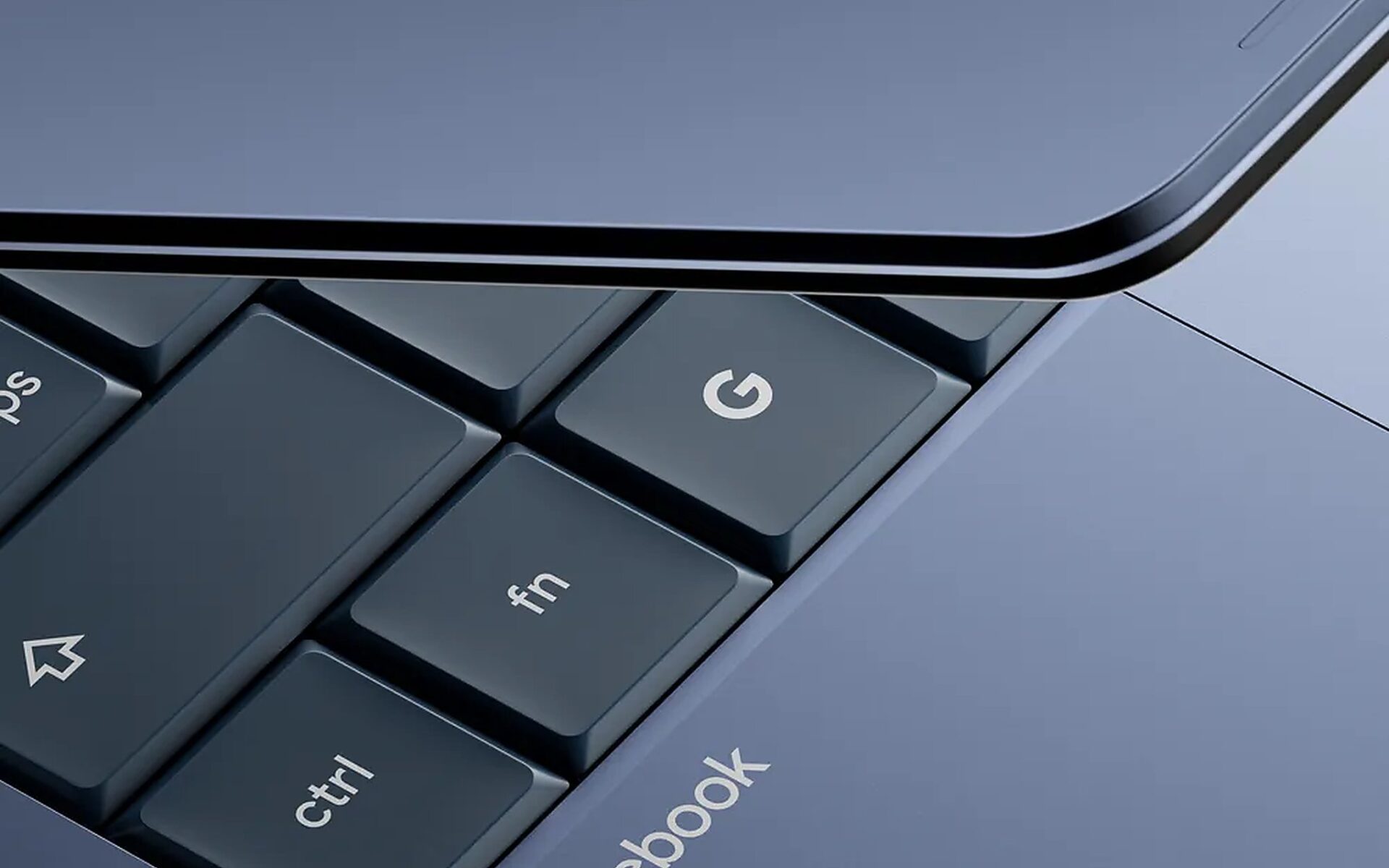
Googlebook is evolving from an unfamiliar name into a project capable of heating up the laptop market. According to an article by WCCFtech, Intel has confirmed it will supply chips for this product line, turning Googlebook from a rumor into a hardware platform backed by real partners. The key point to watch is not just the chip, but how Google intends to integrate Android, ChromeOS, and Gemini into a single laptop experience. If it follows the right path, the Intel-powered Googlebook could become Google's most serious attempt in years to break into the premium thin-and-light segment that Apple is aggressively pushing with the MacBook Neo.
Googlebook is significant because Google is integrating Android, ChromeOS, and Gemini into one laptop
The main introductory page for Googlebook suggests that Google does not view this as merely a rebranded Chromebook. The company describes the device as a laptop "designed for Gemini intelligence," capable of opening Android phone apps directly on the machine, quickly accessing files from a phone, and using AI features like Magic Pointer or creating widgets via voice commands. In other words, Googlebook is positioned as a new hub for the Android ecosystem, rather than just a budget web-browsing machine as many previously perceived Chromebooks to be.
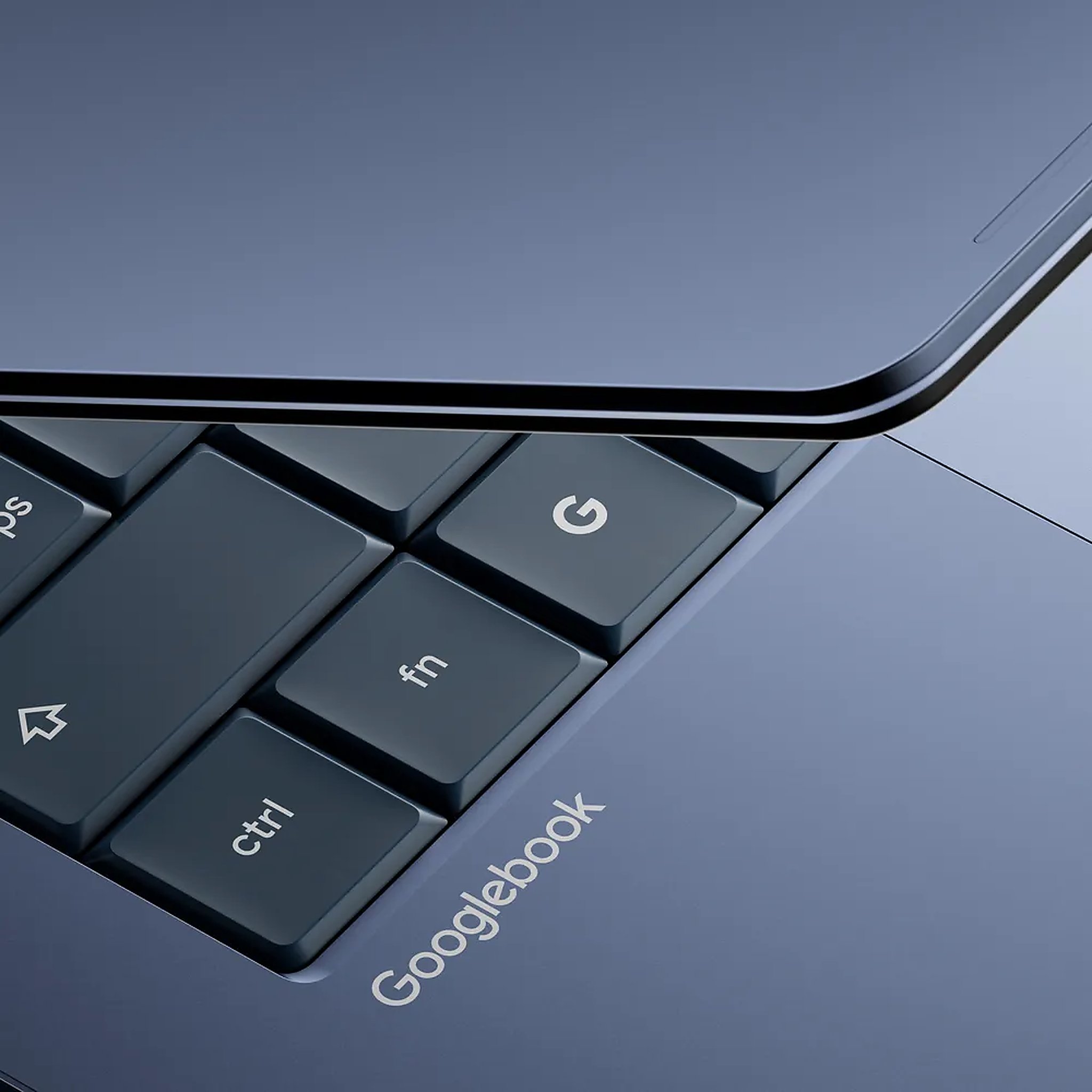
Intel's role is therefore noteworthy. As Intel expresses excitement about the Googlebook project and calls these "premium devices for the AI era," the message is quite clear: Googlebook is not targeting the budget segment. This also makes sense when looking at the list of partners announced by Google, including Acer, ASUS, Dell, HP, and Lenovo.
What general users can quickly grasp is that Google wants Android laptops to be less dependent on emulation and less fragmented between phones and computers. If Gemini is truly integrated into tasks like content selection, Q&A, widget creation, and dragging apps from a phone to a large screen, Googlebook will have its own unique advantage: selling a seamless experience, not just specifications.
Does the ambition to compete with MacBook Neo have a basis, and what remains to be confirmed?
The most exciting part of the story is that Googlebook is being positioned alongside the MacBook Neo, but this is not a race that can be won or lost based on slogans alone. What Google does have is a clear direction: a thin-and-light, AI-centric machine with an Android app ecosystem, backed by both Intel and major OEMs. What has not yet been announced are the specific chips, actual battery life, and the smoothness of the new software on a laptop scale.
| Category | Revealed | Awaiting Confirmation |
|---|---|---|
| Platform | Integration of Android, Google Play, ChromeOS, and Gemini | Full operating system version and app compatibility levels |
| Hardware | Intel as the chip supplier partner | Specific CPU series, TDP levels, and real-world performance |
| Devices | Participation from Acer, ASUS, Dell, HP, Lenovo | Configuration for each model, pricing, and battery life |
| Release Timing | Google aims for a Fall 2026 launch | Specific release dates for each market |
One detail to approach with caution is that current sources have only confirmed the partnership; which Intel chip Googlebook will use remains a mystery. WCCFtech suggests this platform might involve Wildcat Lake or a variant specifically optimized for Google, but that remains speculation and has not been officially finalized by Google or Intel. Therefore, the most anticipated aspect of the Intel-powered Googlebook is whether AI will truly translate into daily usability benefits.
Looking more broadly, the emergence of Googlebook is also a signal that the Intel laptop market is not standing still in the face of the wave of battery-optimized thin-and-light devices. Models like the Yoga Slim 7i Panther Lake have shown that PC manufacturers are regrouping. With Googlebook, Google is testing a different approach: leveraging the power of Android and Gemini to create a new reason to buy. The success or failure of this project will depend on whether the laptop makes users' daily lives more convenient compared to the MacBook Neo and comparable Windows laptops.