

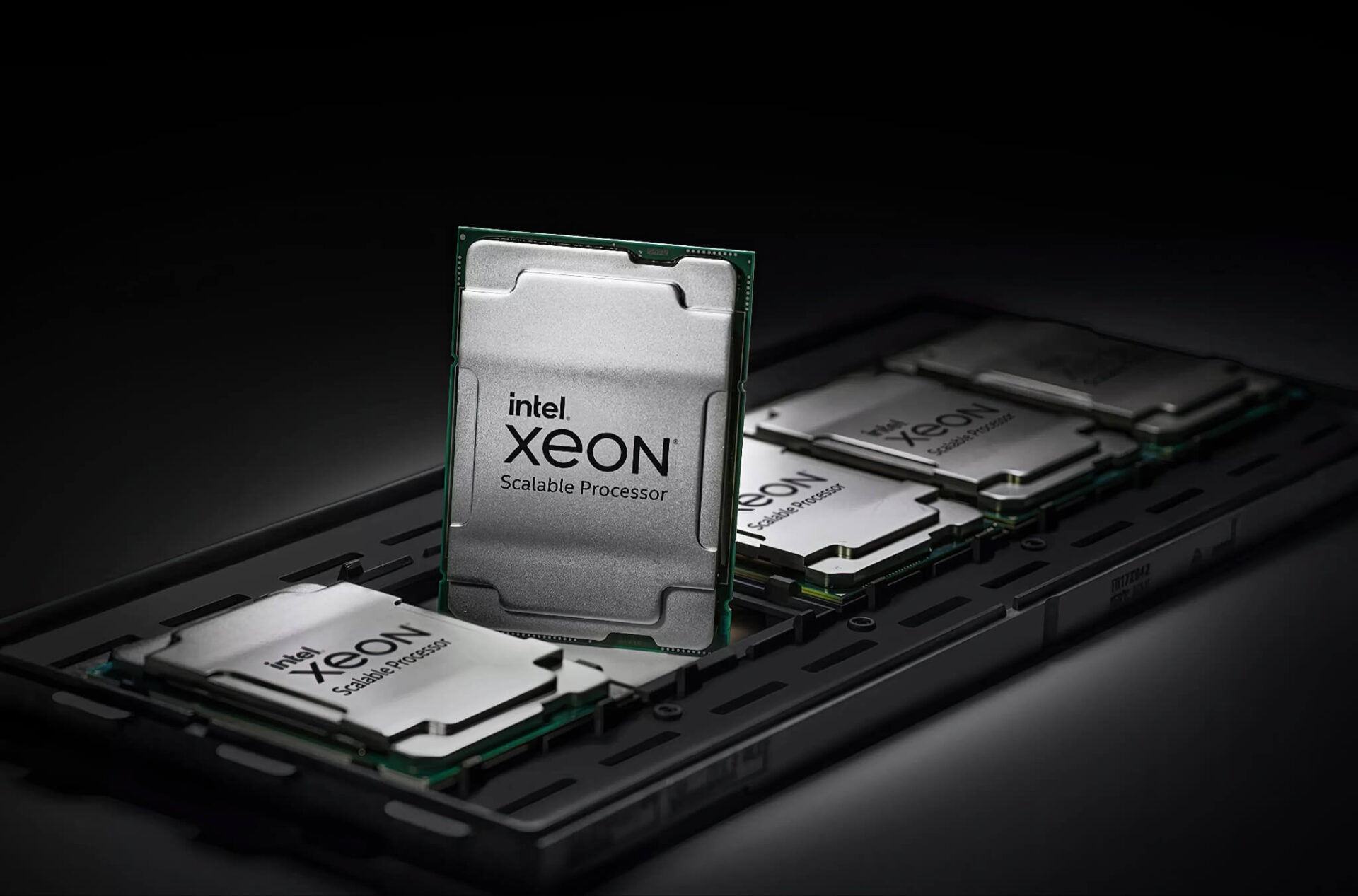
Intel has made a surprising move by deciding to kill off the controversial On Demand project, ending the attempt to force users to pay extra to unlock features already built into their processors. A few years ago, the American semiconductor giant expected to change the way data centers operate with a "CPU as a service" model, where customers purchase hardware but must pay additional fees to access its full power. However, the harsh reality showed that this business model did not receive the support the company had claimed. Intel's silent cleanup of source code repositories and the removal of information from its official website is the clearest admission of the failure of an idea that went against the wishes of the majority of users.
The failure of the Intel On Demand model and the attempt to subscription-ize hardware
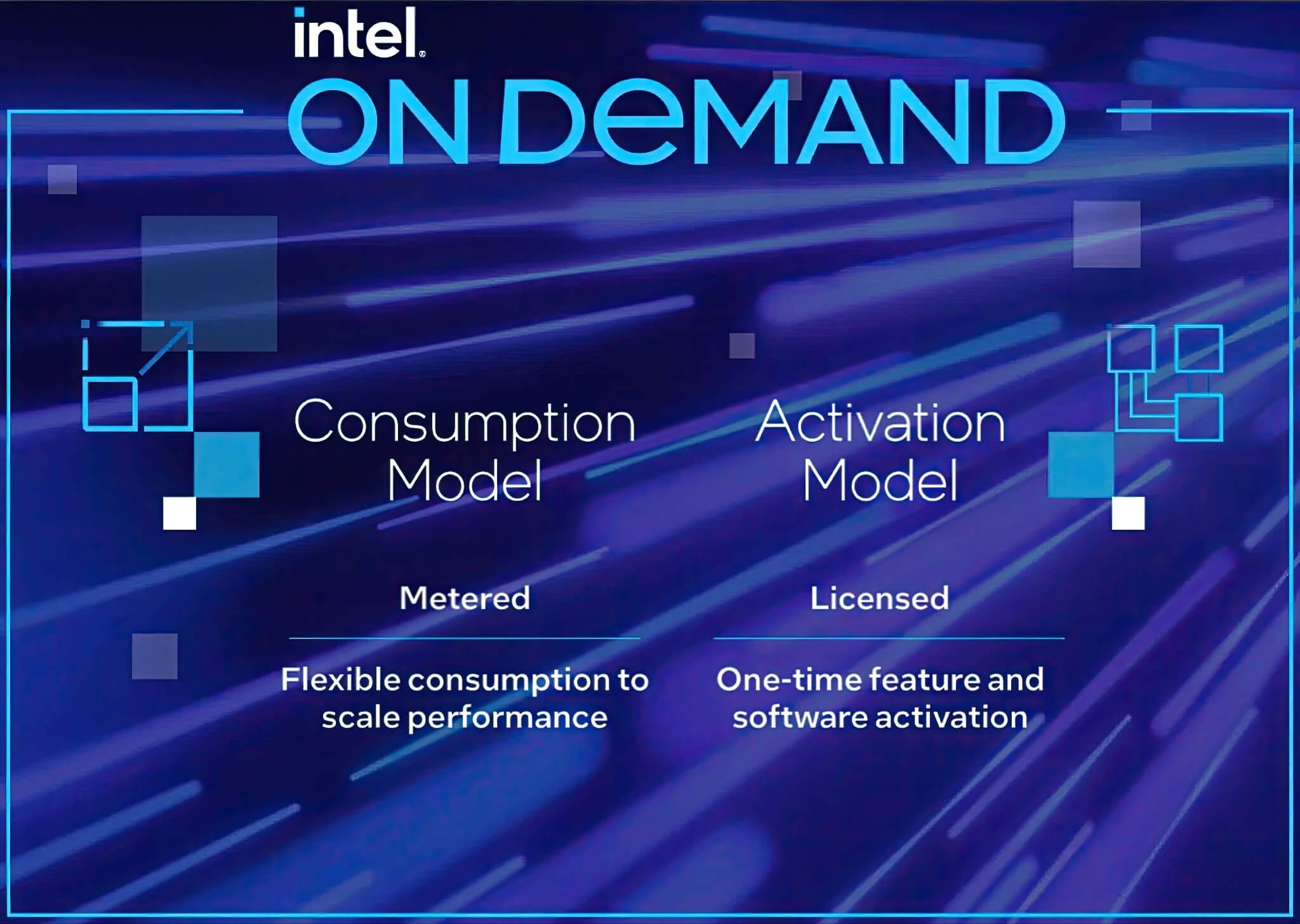
The story began in 2021 when the Software Defined Silicon (SDSi) project was first revealed. Intel promoted this as a flexible solution, helping businesses save budget by only paying for the CPU features they actually needed at a specific time. By the 4th generation Xeon Scalable, this project was renamed On Demand with two payment options: a one-time purchase to unlock features permanently, or pay-as-you-go based on actual usage. In theory, this sounded reasonable for cash flow management, but to the tech community, it was no different from buying a car and then having to pay a monthly fee just to use the seat heating or air conditioning features that were already installed.
The list of features "locked" by Intel included many critical acceleration technologies such as Dynamic Load Balancer, Quick Assist, and Software Guard Extensions. In reality, owning a powerful chip but having its performance throttled by software barriers left many system administrators feeling dissatisfied. Instead of providing flexibility, this model inadvertently created a complex license management burden and made customers feel they did not truly own the equipment they had paid for. Market indifference led Intel to quietly archive the project's records on GitHub in late 2025, signaling the end of a controversial business era.
The strategic shift toward the Artificial Intelligence era
Intel's abandonment of the On Demand model is not just due to public pressure but also reflects a profound shift in its global business strategy. Currently, the tech world is pouring all its resources into the Artificial Intelligence (AI) race. Instead of struggling to collect small fees from legacy instruction sets, Intel seems to want to focus its resources on commercializing specialized AI accelerators. This is a smarter move, as businesses are willing to spend heavily on hardware that delivers actual breakthroughs in large language model training speeds, rather than paying fees to use what they already own.
Furthermore, Intel's removal of Linux kernel patches related to SDSi shows that the company wants to erase all traces of this project from the open-source community. The most valuable aspect of Intel's decision this time is that the company has learned to listen to the market. If you are operating server systems, this good news means that new generations of chips will return to their original value: buy once, use for life. The long-term value of a tech product must come from its intrinsic power and reliability, not from overlapping subscription fee barriers.
In summary, the end of Intel On Demand is a victory for consumers and digital infrastructure businesses. If you are looking for powerful server solutions for 2026, rest assured that the barriers to unlocking paid features are fading into the past, making way for the substantive improvements in performance and cooling technology that Intel is striving to bring to its latest chip lines.