
While both are 2026 AI laptops, a machine with a 13 TOPS NPU and one with a 50 TOPS NPU differ by nearly 4 times in local AI processing power, yet the actual price gap is often only 5-10 million VND. Whether that gap is worth it depends on what you actually need a laptop NPU for. Based on official spec sheets and independent benchmarks of Core Ultra 200H, Snapdragon X Elite, and AMD Ryzen AI 300, this article answers directly: which threshold-13, 40, or 50 TOPS-is sufficient, and which one you are paying extra for.
What is NPU TOPS and why is it important on 2026 AI laptops?
NPU (Neural Processing Unit) is a dedicated chip integrated inside a laptop CPU, specifically designed to handle matrix calculations for AI models. Unlike a general-purpose CPU or a GPU for graphics processing, a laptop NPU does only one thing: AI computation, but it does it much faster and significantly more power-efficiently. TOPS is the unit used to measure NPU speed, standing for Tera Operations Per Second, meaning trillions of operations per second.
Before 2024, most laptops lacked a dedicated NPU or only had integrated NPU levels of 5-10 TOPS, which was insufficient for practical local AI tasks. At that time, effects like video call background blur, noise cancellation, or facial recognition had to rely on the CPU or GPU, leading to higher temperatures, faster battery drain, and impacting the performance of parallel applications. Since late 2024, Intel, AMD, and Qualcomm have simultaneously pushed laptop NPUs to 40-50 TOPS to support new AI features that run entirely on the device without needing to send data to the cloud.
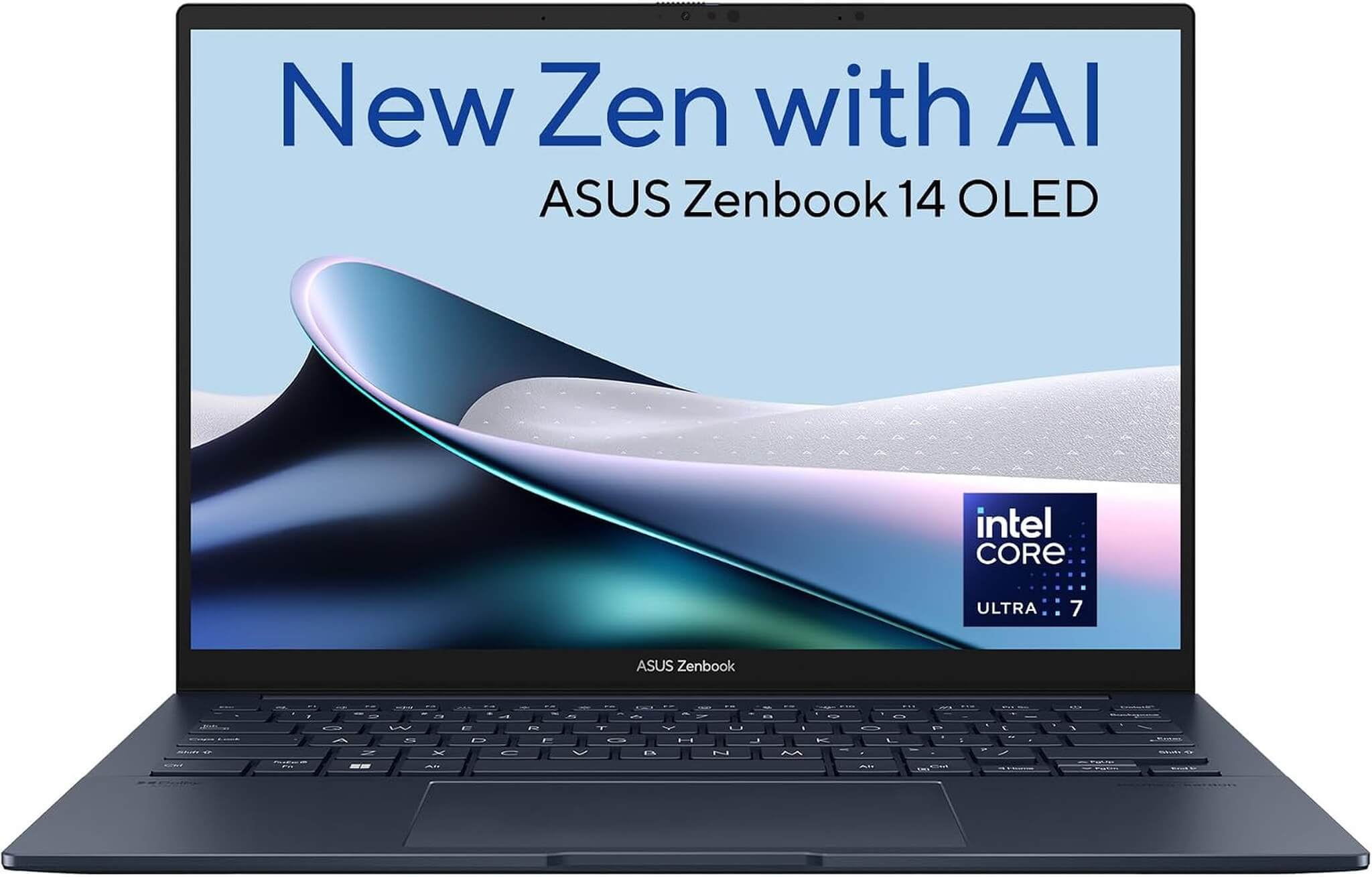
The reason NPU thresholds are important for 2026 laptop buyers is that Microsoft has set the Copilot+ PC standard: a minimum NPU of 40 TOPS, combined with 16GB RAM and a 256GB SSD. Only machines meeting this standard can run Windows Recall (semantic search of your work history), Cocreator, real-time captioning, and the latest AI features in Windows 11. Laptops below this threshold will still run Windows normally, but they will be bypassed in upcoming Windows AI updates.
A common misconception to avoid: the TOPS figure in advertisements is sometimes "Total AI TOPS," which adds the CPU + GPU + NPU together into one very large number. The Copilot+ standard only counts the NPU individually at a minimum of 40 TOPS. A laptop might advertise 150+ Total AI TOPS, but its actual NPU only reaches 13 TOPS, failing the standard and unable to run Recall or Cocreator. This is a numerical trap that causes many people to buy the wrong machine without realizing it.
How do 13, 40, and 50 TOPS differ in real-world laptop NPU usage?
The three NPU thresholds currently common in the 2026 laptop market show distinct real-world effects, based on official specifications and benchmark data from independent reviews.
| NPU Threshold | Representative Chip | Copilot+ Compliant? | Real-world AI Tasks |
|---|---|---|---|
| ~10-16 TOPS | AMD Ryzen 7040/8040 (~10-16 TOPS); Intel Core Ultra Series 1 (~11 TOPS); Core Ultra 200H/200HX (~13 TOPS) | No | Background blur, eye contact, basic mic noise cancellation. Cannot run Windows Recall, Cocreator, or real-time captions |
| ~45-47 TOPS | Intel Core Ultra 7 258V (~47 TOPS); Qualcomm Snapdragon X Elite (~45 TOPS) | Yes | Full Copilot+ features: Recall, real-time captions, light image generation, offline semantic translation, online meeting audio filtering |
| ~50 TOPS | AMD Ryzen AI 9 HX 370 (~50 TOPS) | Yes | Same as above, plus extra headroom for heavier AI models and small local LLMs. The difference from 45 TOPS is not yet significant in common applications |
With the 13 TOPS threshold on Core Ultra 200H and 200HX, the true strength of these chips lies in multi-core CPU performance and the accompanying discrete GPU, not local AI capability. This is a suitable choice for mobile workstations that require code compilation, multi-threaded rendering, or heavy engineering applications, but you should not buy one solely because of the "AI PC" label when the laptop NPU does not meet Copilot+ standards. You will have a powerful machine in the traditional sense, but you will miss out on the entire layer of Windows AI features in the coming years.
From 40 TOPS and above, the real-world experience changes noticeably when using integrated AI features in Windows 11: English-to-Vietnamese real-time captions run smoothly even without internet, Recall indexes your file and meeting history without needing cloud uploads, and video call effects processed locally consume significantly less battery than when the CPU handles them. With a laptop NPU reaching 45 TOPS, these tasks are already stable. The gap between 45 and 50 TOPS in common applications is not yet clear because most software has not yet been optimized to exploit the NPU at its highest threshold.
What to remember: 50 TOPS does not mean every task is faster than 40 TOPS. Real NPU performance also depends on drivers, the AI frameworks used by software, RAM bandwidth, and how developers optimize applications for integrated AI chips. If the apps you use daily do not directly exploit the NPU, a higher TOPS figure will not make any difference in your actual workflow.
How many TOPS should you choose for a laptop in 2026? Suggestions for users in Ho Chi Minh City
The direct answer: 40 TOPS is the minimum safe threshold if you are buying a 2026 laptop NPU to use long-term with Windows AI; 50 TOPS is a long-term buffer, while 13 TOPS is only suitable if you prioritize CPU and GPU over local AI and are aware that you are bypassing Copilot+.
Choose a 40-47 TOPS laptop if you do office work, studying, content creation, and want to use the full range of Windows AI features for the next 2-3 years. The ASUS Zenbook S 14 UX5406 with Core Ultra 7 258V (47 TOPS) at the 35-45 million VND range balances performance, battery, and AI features. The Dell XPS 13 9345 with the Snapdragon X Elite chip (~45 TOPS) at around 35-50 million VND is suitable for those needing a lightweight machine with all-day battery life. Both meet the Copilot+ standard and receive full AI updates from Microsoft. For more options, refer to Top 4 office laptops 2026 under 40 million VND to consider based on your budget.

Choose a 50 TOPS laptop if you process local AI data, want to run small local LLMs on your machine, or need headroom to use the device for 4-5 years as software exploits the NPU more deeply. The AMD Ryzen AI 9 HX 370 (~50 TOPS) is currently found in high-end gaming and mobile workstation laptops. A point to be honest about: common software in 2026 has not yet fully utilized the 50 TOPS performance, so the difference compared to 45 TOPS is not yet clearly visible in daily use.
Choose a 13 TOPS laptop only if you need specific multi-core CPU power, such as the Core Ultra 200HX for heavy rendering, multi-threaded compilation, or mobile workstations running specialized engineering applications. These are not Copilot+ compliant machines, but they are still powerful in the traditional sense. If the software you use does not yet support NPU, 13 TOPS or 50 TOPS makes no difference; just understand which chip series you are choosing. See the real-world comparison of Dell XPS 16 9640 vs ThinkPad P14s Gen 6 if you are deciding between high-performance models.
Frequently Asked Questions (FAQ)
How is a 2026 laptop NPU different from previous Core i7 or Ryzen 5000 generation laptops?
Core i7 laptops from the 11th-12th generations and Ryzen 5000 series almost have no dedicated NPU, or only integrated levels of 5-8 TOPS, which is insufficient for practical local AI tasks. 2026 laptops with 40-50 TOPS NPUs can handle real-time translated subtitles, semantic indexing of work history, and run small AI models directly on the machine without internet. The local AI performance gap between the two generations is massive; older machines would need a complete hardware upgrade to use Copilot+ features.
Will buying a 2026 laptop with only 13 TOPS become obsolete quickly?
It won't become obsolete in terms of overall performance, but a 13 TOPS laptop will miss out on all Windows 11 Copilot+ features because Microsoft only supports machines with a minimum of 40 TOPS NPU. If you only need CPU power for work, a 13 TOPS laptop will still function well for the next 4-5 years. However, upcoming Windows AI updates will increasingly depend on standard-compliant NPUs, meaning 13 TOPS machines will gradually be left out of the Microsoft AI ecosystem.
How much extra do I have to pay to get a laptop that meets the 40 TOPS+ standard?
The starting price for Copilot+ compliant laptops in 2026 ranges from 28-35 million VND for common models, and 35-50 million VND for premium thin-and-light series. The price difference compared to a 13 TOPS machine ranges from 3-8 million VND depending on the configuration. For this difference, you gain the entire layer of Copilot+ features and long-term AI update support from Windows.
Which laptops with 40 TOPS NPU or higher are currently available and what are the reference prices in 2026?
Two popular laptop NPU models are the ASUS Zenbook S 14 UX5406 (Core Ultra 7 258V, approx. 47 TOPS, price 35-45 million) and the Dell XPS 13 9345 (Snapdragon X Elite, approx. 45 TOPS, price 35-50 million). The AMD Ryzen AI 300 series, such as the Ryzen AI 9 HX 370 (~50 TOPS NPU), is typically found in gaming and mobile workstation laptops. Additionally, some thin-and-light models from Lenovo and HP also feature Snapdragon X or Core Ultra 200V chips that meet the 40 TOPS+ standard in the 30-40 million VND segment.