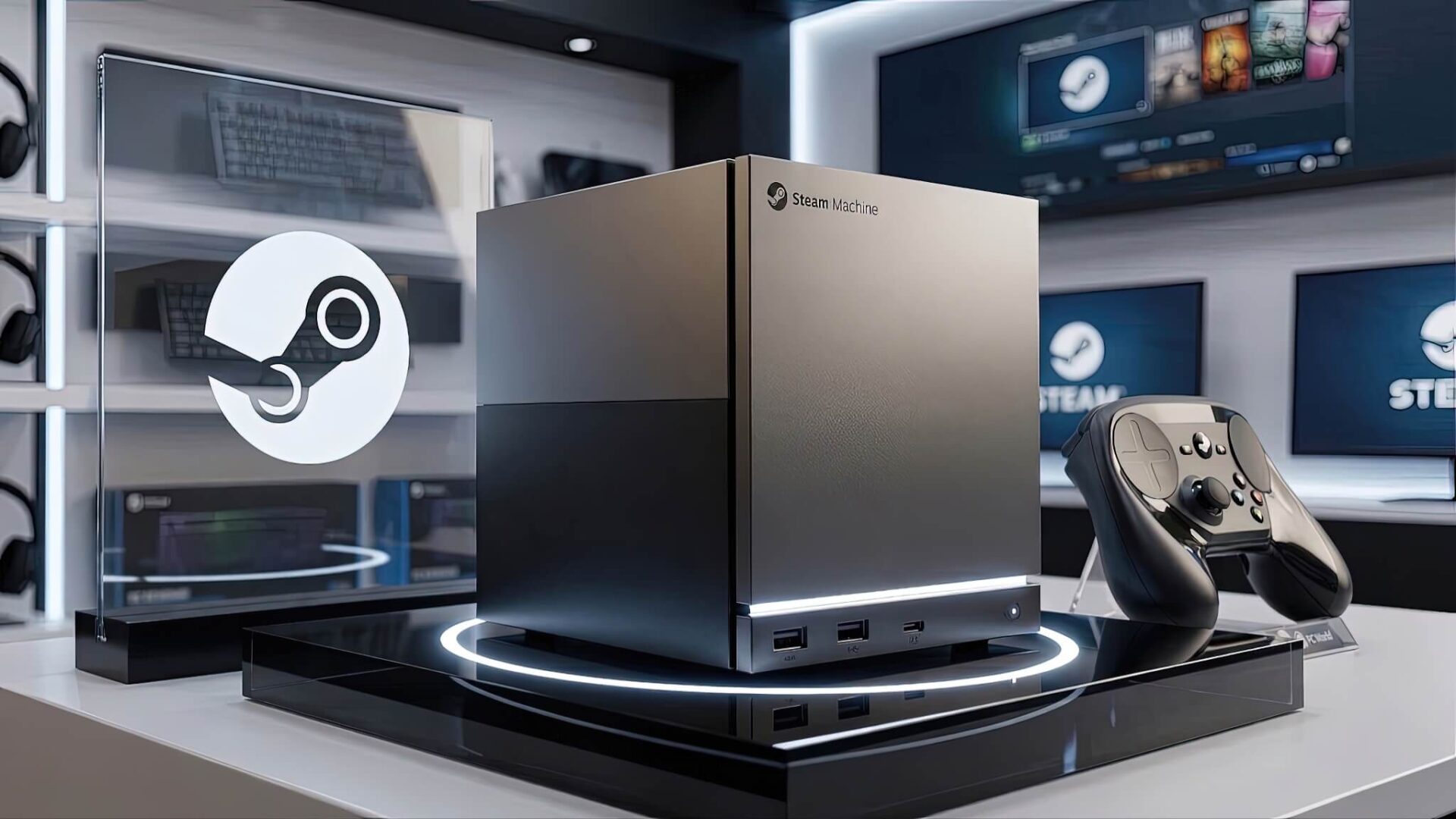
Fans of Valve's gaming hardware just got a welcome bit of relief, as the company officially shut down rumors that the next-generation Steam Machine project had been delayed. With a memory component crisis sweeping the global tech industry, a complex piece of hardware holding to its launch schedule is a remarkable feat. The line between a promise and delivering on it is razor-thin in this volatile economic climate. Yet instead of issuing vague statements, the gaming giant chose to face the question head on and assert its position. If you have been waiting for a breath of fresh air in your living room, Valve's steadiness is the most encouraging sign yet that the era of PC-style hybrid gaming machines is about to begin in earnest.
Valve Squashes Delay Rumors and Commits to a Launch Timeline
The doubts started with Valve's 2025 year-end post, in which the company said it "hopes to ship" its hardware plans. In the tech world, even the smallest change in wording can be read as a sign of trouble. Almost immediately, gamers worried that the trio of Steam Machine, Steam Frame, and Steam Controller 2 would be pushed back to next year. But the most notable part of Valve's latest move is its decisiveness. A company media representative quickly told the press that nothing had changed in its internal plans, and the original post was edited to say "we will ship all three products this year." That is not just a statement about schedule. It also vouches for Valve's ability to manage its supply chain in the middle of a component shortage storm.

Looking back at the timeline, these devices were first expected in late March this year, but the launch window was later widened to the first half of 2026. That adjustment suggests Valve prepared carefully for the operational challenges. Launching an entire ecosystem at once, from a living room machine to a display device to a new-generation controller, is an enormous technical undertaking. Still, if you want a unified, smooth gaming experience free of the constraints of traditional consoles, the combination of top-tier hardware and the vast Steam library is the core value Valve is aiming for. The company's confidence in its 2026 timeframe, despite the difficulties facing the whole industry, points to a long-term vision and respect for what users expect.
The Memory Squeeze and the Burden of Pricing
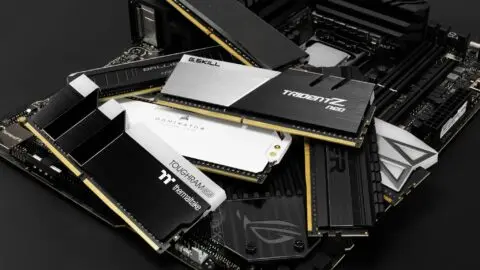
Even with its launch commitment, Valve cannot escape the "headache" of the memory crisis. The Steam Machine's biggest draw is its powerful hybrid configuration, which lets it run today's most demanding AAA titles smoothly. According to reports, the device will come with 16GB of DDR5 RAM and 8GB of GDDR6 video memory. These are standard specs for a modern gaming machine, but the prices of DDR5 and GDDR6 are climbing at an unprecedented pace. The main cause is the "hunger" for memory in artificial intelligence (AI) data centers, as memory chip makers pour their full capacity into this lucrative market and leave production for consumer electronics choked off.
This scarcity has pushed the Steam Machine's expected price above what the company originally planned. Analysts predict a starting price of around 700 USD, possibly reaching 1,000 USD for the 1TB storage version. That is certainly a significant financial burden for many players. It does not stop there: the crisis has had a very visible consequence, as Valve confirmed the Steam Deck OLED is sold out because of shortages of storage and cache memory components. In practice, the fight over components between gaming devices and AI infrastructure will drag on, with some forecasts saying the situation will only stabilize after 2027. So if you plan to get a Steam Machine in the first sales round, it is essential to set aside a generous budget and be ready for the possibility of it selling out.