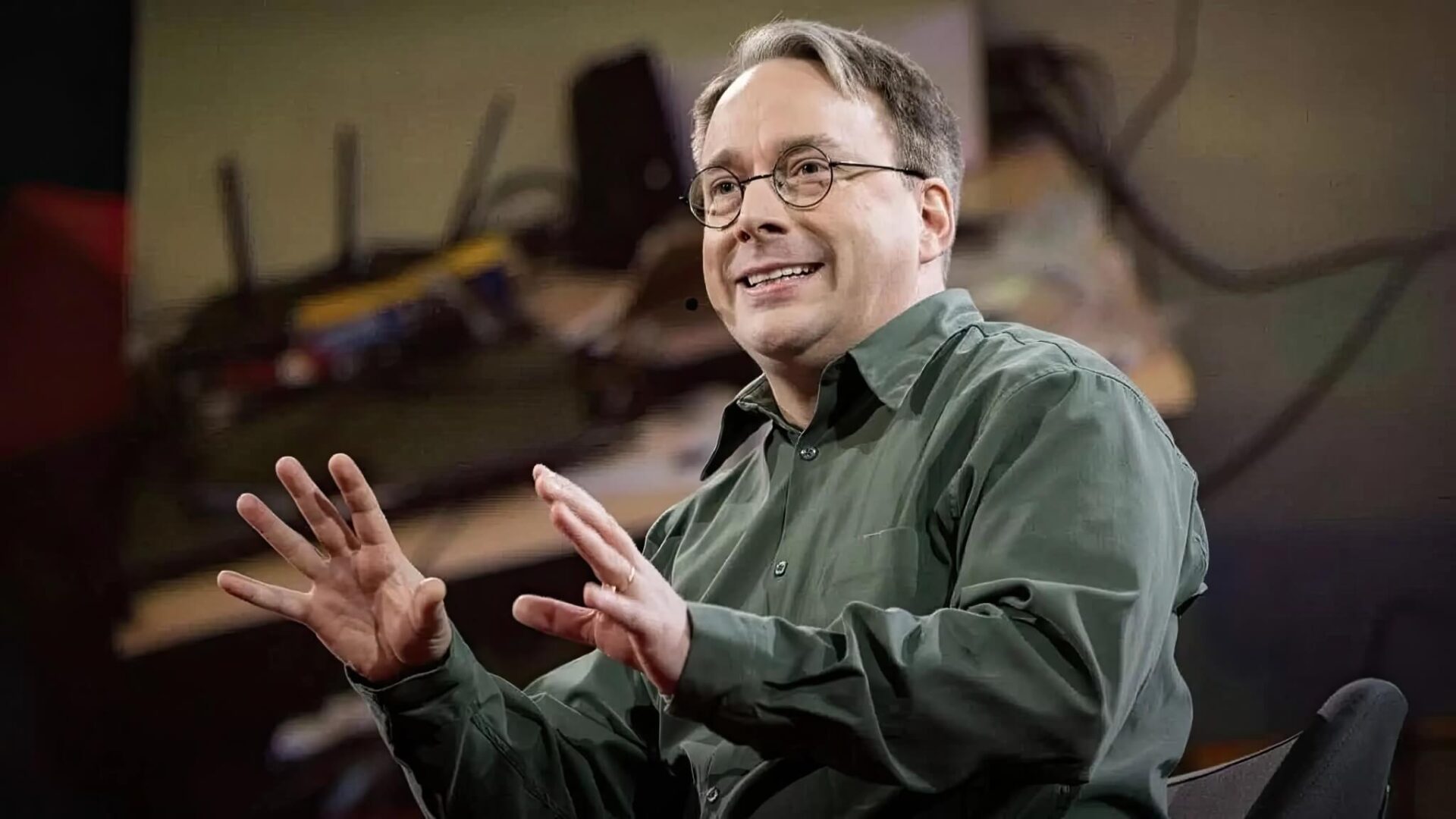
If the tech world were a castle, Linux would be the solid foundation buried deep beneath it. From the Android phone in your pocket to the servers that run the global Internet to smart home appliances, all of it runs on the Linux kernel. And for more than 30 years, the "heart" of this operating system has beat under the tight control of one man: Linus Torvalds. But time spares no one. With the "father" of Linux getting older, the world's largest open-source community has had to draft a "technological will": a detailed plan to make sure Linux stays healthy even if Linus decides to step away from the helm.
Linux's 72-Hour Succession Process
Since 1991, when Linus Torvalds wrote the first lines of code inspired by Minix, he has held supreme authority, the person with the final say on which code gets into the main Linux repository and which code is kept out. Recently, though, an important document called the "continuity plan," drafted by Dan Williams and signed off on by Linus himself, was formally adopted by the community. It is not simply a matter of naming a successor. It is an emergency process designed to kick in when Linus is unable, or unwilling, to keep running the project.
According to the document, if the "captain" is absent, the leadership seat will not stay empty for long. The nearest Maintainer Summit Organizer, or the Linux Foundation's Technical Advisory Board, is responsible for starting the process of finding a replacement. A "golden 72 hours" rule applies: a discussion must be opened within 3 days to gather input from key figures in the community.

Next, a closed-door meeting (in person or online) will be convened with core members to "choose the right person to entrust." The goal is to find someone with enough character and skill to hold the keys to the torvalds/linux.git repository. The final outcome will be announced publicly to the entire developer community within two weeks. This rigor shows that Linux has matured. It is no longer the personal project of one genius but a shared asset of humanity, one that needs to be protected by transparent rules.
An Aging Team and Faith in the Next Generation
In practice, preparing for the (professional) departure of Linus Torvalds is not overcautious. In 2024, he himself admitted that Linux's core group of maintainers was "getting old." Many of them have been with the project since the early days, and their hair has now turned gray. That does not mean Linux is in a staffing crisis, however. On the contrary, Linus is very optimistic about the community's vitality.
He stressed that more than 100 talented maintainers are now watching over the Linux source code day and night. Although the final decision still rests with him, there have been times in the past when Linus temporarily handed authority to his lieutenants and everything ran smoothly. Even more notably, he sees young talent on the rise. Some developers need only about 3 years to prove themselves and become primary maintainers. That shows young blood is still flowing strongly through Linux's veins, ready to take the torch from the older generation.
Like every line of code in Linux, this continuity plan is an "open source" document. It is not set in stone and can be revised and updated over time to fit new circumstances. It is a testament to the collaborative spirit of the tech world: careful preparation for the worst-case scenario is the best way to secure the best possible future.
In short, for end users and businesses running Linux-based systems, this plan is a powerful sedative. It ensures that even if Linus Torvalds decides tomorrow to retire and enjoy a quiet country life, the Internet will not go down, your Android phone will keep running, and the tech world will keep turning without interruption. Linux has grown too big to depend on the life of a single person, and now it officially has a mechanism to become immortal.