

To be honest, I was initially very skeptical about the "AI Browser" wave (browsers integrated with artificial intelligence). Early versions offered nothing more than a familiar Chromium interface with a monotonous AI chat box replacing the search bar. There was nothing revolutionary about them! But times have changed. Now, looking deeper into the technological landscape, I believe that an AI Browser is not just an ordinary application, but is becoming a "game changer," turning On-Device AI into a real weapon for both casual users and enterprises. It is not just helping you browse the web; it is silently reshaping the way we operate in the digital world.
AI Browser - From a web browsing tool to an AI "Command Center"
In the past, we often thought of a browser as merely a gateway to the Internet. But now, with the rise of distributed applications, browsers are transforming into true operating platforms. The emergence of the Model Context Protocol (MCP) has broken the monopoly of massive cloud-based AI models. Instead of AI sitting idle in remote data centers, MCP allows different AI models to "talk" and coordinate with each other like pieces in a unified workflow.
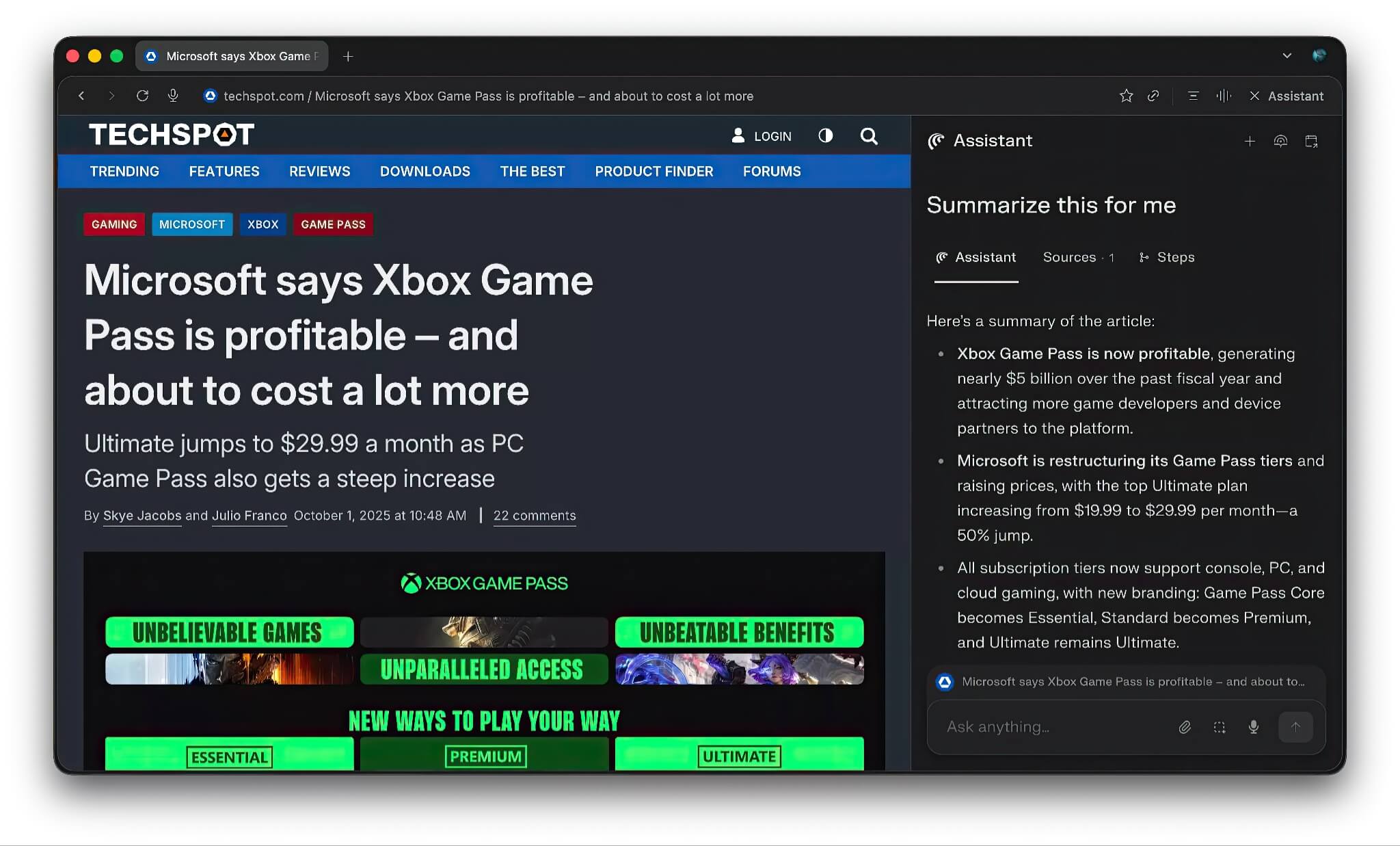
Imagine your browser now possesses an intelligent coordinating "brain." When you make a complex request, instead of pushing everything to the Cloud for processing, the browser will automatically analyze: which part needs to be processed directly on your computer for security and speed, which part needs to be sent to corporate servers, and which part requires the power of cloud supercomputers. Shifting this decision-making power to the user (Client-side) helps maximize available hardware resources, reduce latency, and most importantly, protect personal data.
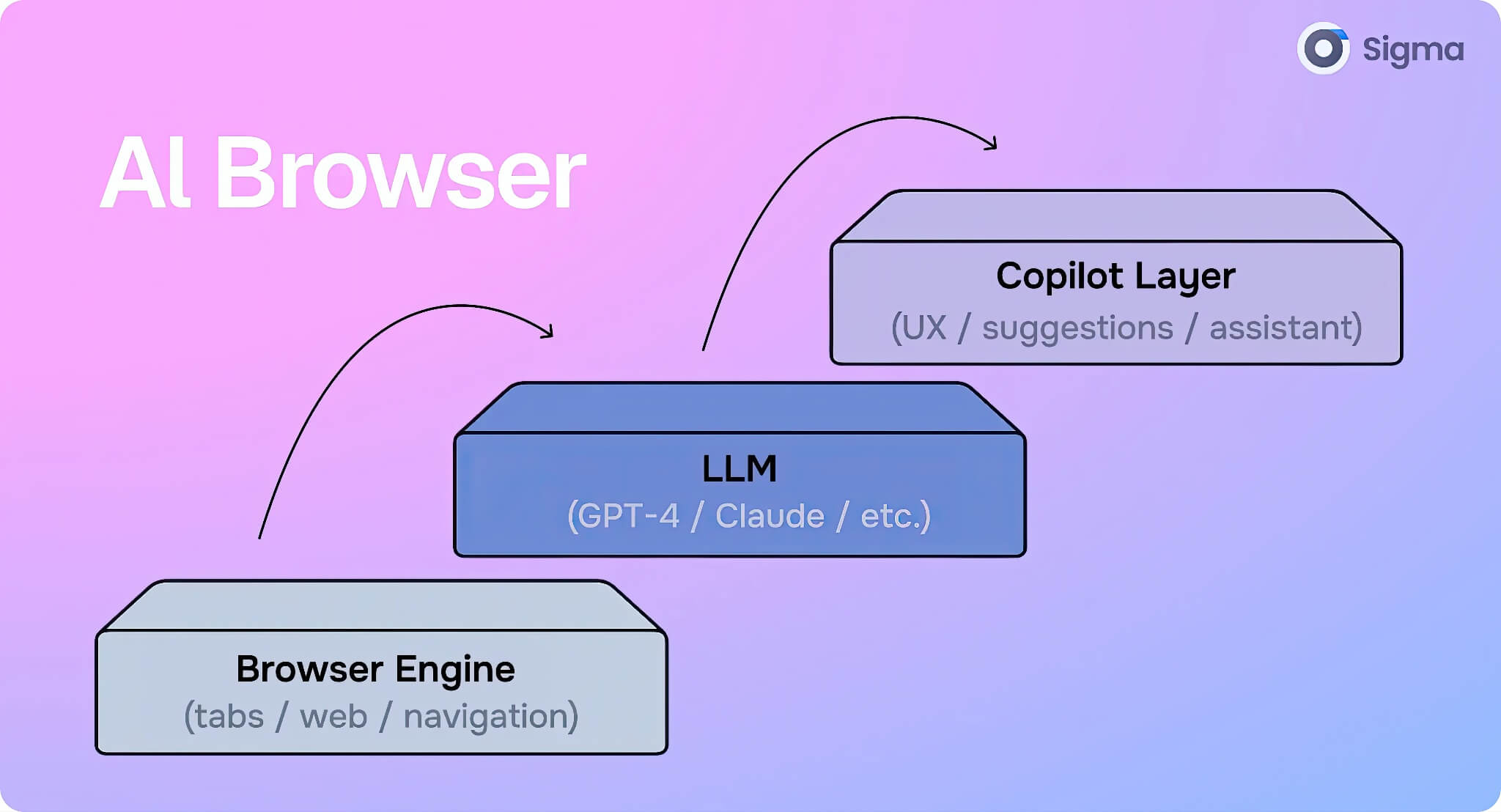
The tech giants behind these browsers are all owning Small Language Models (SLMs) specifically optimized for mobile devices and PCs. By embedding these SLMs directly into the browser, they create an "AI Agent" that understands exactly what your machine has and how strong your network is to allocate tasks most efficiently. And because browsers are continuously updated, these models will always be in their "smartest" state without the user needing to perform complex operations.
Energy efficiency, maximum security, and the future of Agentic AI
The first practical benefit users will feel is performance and energy efficiency. In the context of concerns regarding power grid overload due to increasingly large AI data centers, leveraging the processing power of billions of personal PCs and smartphones is a genius solution. Thanks to the support of new processor lines integrated with NPUs (Neural Processing Units), your device is fully capable of handling lightweight AI tasks. This helps reduce the load on the cloud, saves electricity consumption, and keeps your machine running cooler.
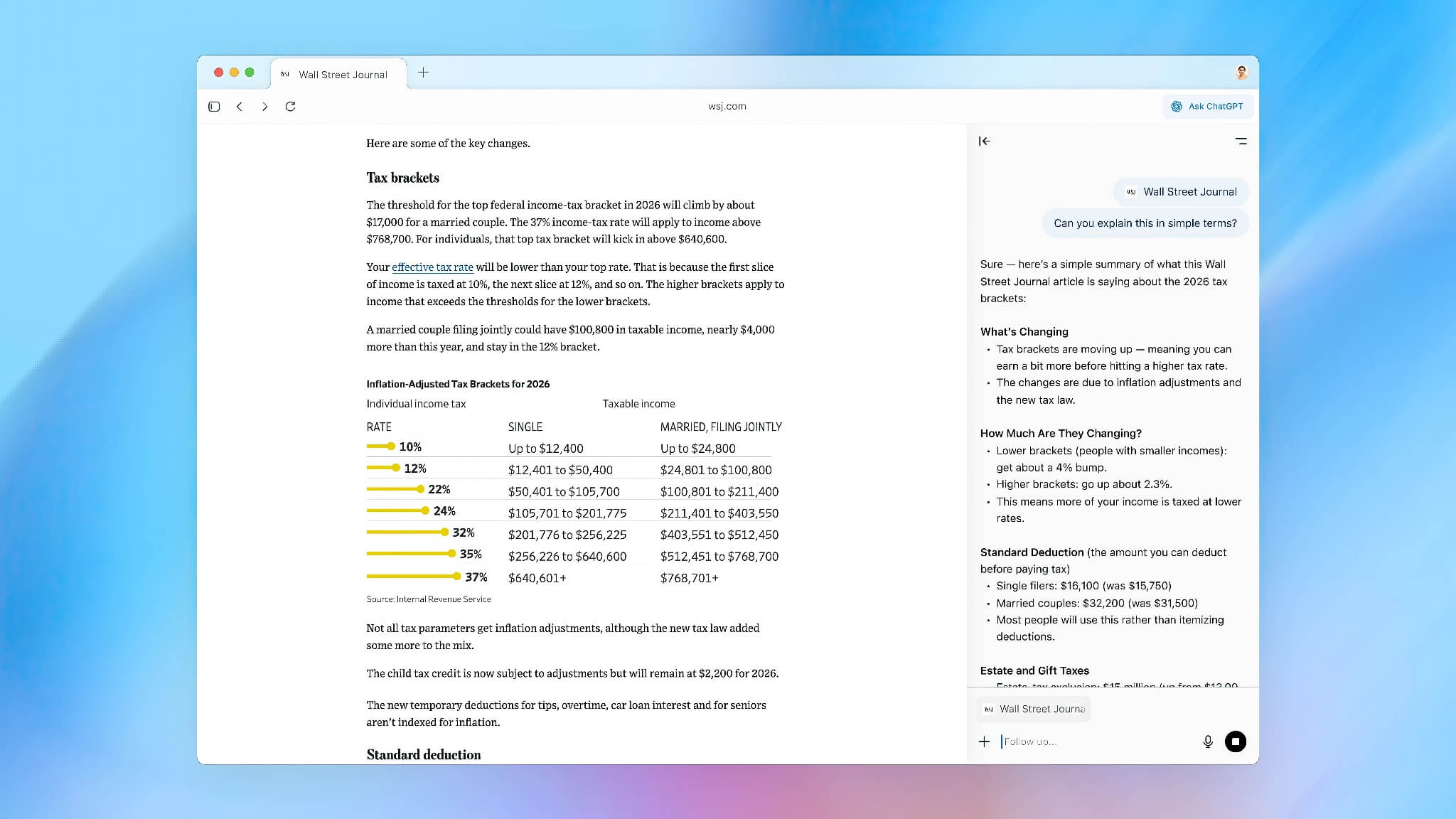
Second is the story of privacy. When AI runs locally right in the browser, your sensitive data does not need to leave your device. This opens the door for deep personalization features without the fear of information leaks. Businesses can also confidently connect their browsers to internal data centers to use proprietary AI models without worrying about business secrets being leaked externally.
Finally, the AI Browser is the perfect launchpad for the "Agentic AI" era - where virtual assistants do not just answer questions but proactively perform tasks on behalf of humans. Google recently integrated Gemini into the Chrome sidebar, allowing it to access local resources to work. Although there are still security challenges when granting AI "autonomy" on personal machines, it is clear that the browser is the strongest candidate to realize this dream thanks to its cross-platform nature and absolute ubiquity.
In short, do not be surprised if in the near future, your web browser becomes smarter than your operating system. It will be a digital butler, silently handling dozens of complex tasks so you can focus on more important things. The era of the AI Browser has only just begun, and it promises to "conquer" the Internet in the most positive way.