

The countdown for Microsoft's support is silently reshaping the cybersecurity landscape for millions of users worldwide. Even as Windows 10 continues to run steadily on hundreds of millions of personal computers, the tech giant officially began scaling back standard security updates last year, and many other products are set to follow suit. As Microsoft's update schedule moves deeper into 2026, the approaching end of Windows 11 SE and the Office 2021 productivity suite is raising urgent new questions regarding security, upgrade costs, and how much longer users can safely rely on these familiar software packages.
The End-of-Support Roadmap for Windows 11 and Related Versions
Microsoft's documentation regarding the 2026 end-of-support has outlined a long list of programs and Windows versions expected to "retire" in the coming months. While technically these products will continue to function after the support deadline, users will no longer receive critical security patches. This means your computer will become more vulnerable to new cyberattacks and viruses.
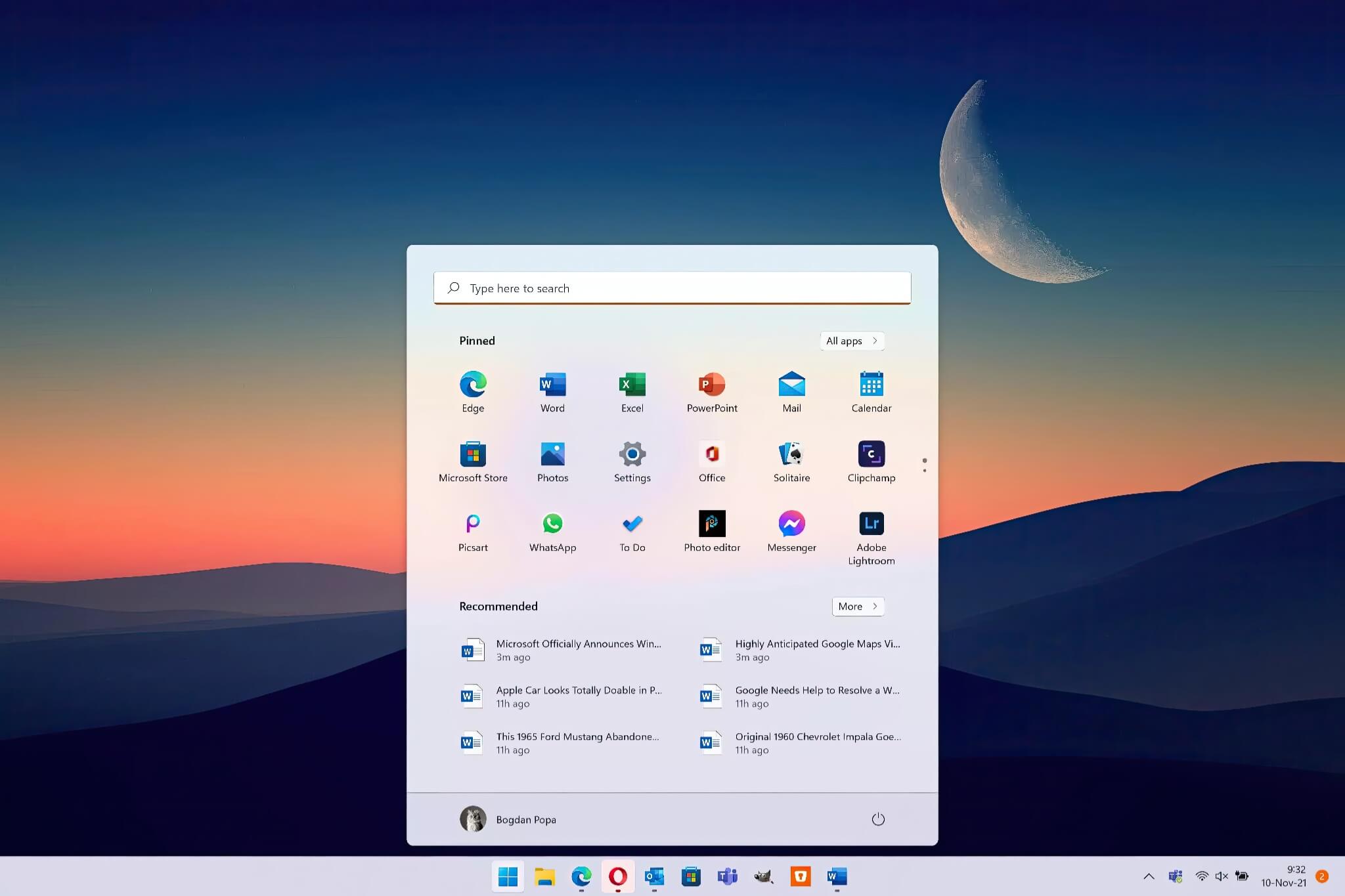
Specifically, the Windows 11 24H2 version is scheduled to reach the end of its lifecycle in October this year, exactly one year after Windows 10 ends support. Microsoft has already begun automatically updating some devices to version 25H2 after introducing it last year, and this upgrade will soon become mandatory for users still staying on version 24H2. Notably, this latest Windows 11 release offers only minor changes rather than major breakthroughs.
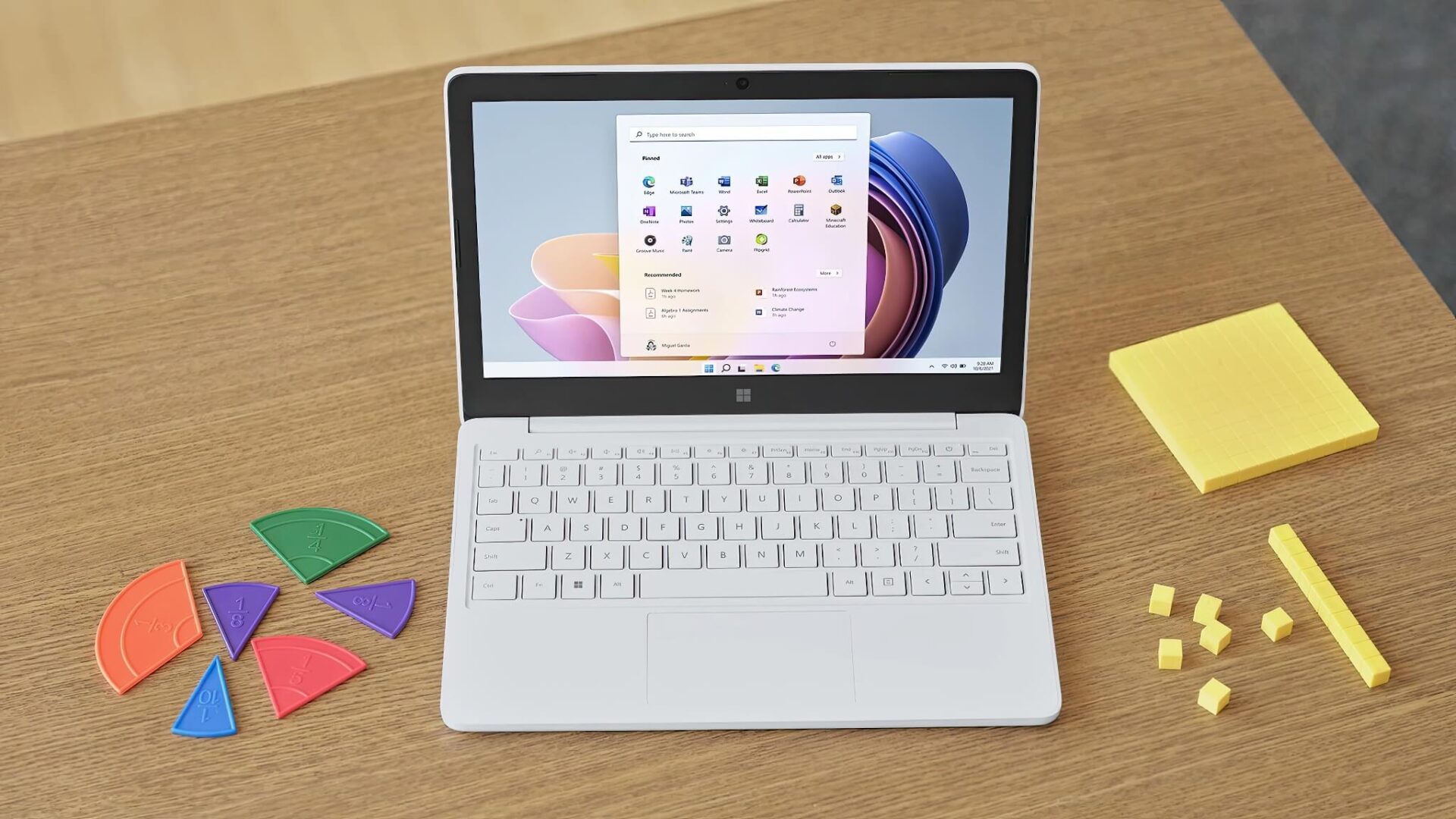
The end of support for version 24H2 will also mark the end for Windows 11 SE, as it is the final Windows version compatible with this platform. Introduced in 2021 as Microsoft's response to Google's ChromeOS, Windows 11 SE is a lightweight operating system focused on cloud computing, designed specifically for budget-friendly educational laptops. This will directly impact schools and educational organizations using these devices.
Additionally, the 23H2 releases of Windows 11 IoT Enterprise, as well as Windows 11 Enterprise and Education, will also stop receiving updates in November. Around the same time, many versions of Windows Server 2022 will transition from "Mainstream Support" to "Extended Support" on October 13, meaning they will only continue to receive free security updates without any new features.
The End of Office 2021 and the Pressure of Upgrade Costs
Another critical piece of information for office users is that the 5-year support deadline for the standalone version of Microsoft Office 2021 will expire on October 13, 2026. The Office LTSC 2021 version for both Windows and Mac will also reach the end of its lifecycle on the same date. To continue receiving new features and critical security patches without subscribing to a monthly Microsoft 365 subscription, users will be forced to upgrade to the latest standalone version, Office 2024.
However, the cost factor is a major headache for many. While Office 2021 is frequently heavily discounted and this productivity suite can currently be purchased for around $35, its successor is significantly more expensive and rarely sees major sales. A lifetime license for Office 2024 typically costs $150, although there is currently a promotional price of $120.
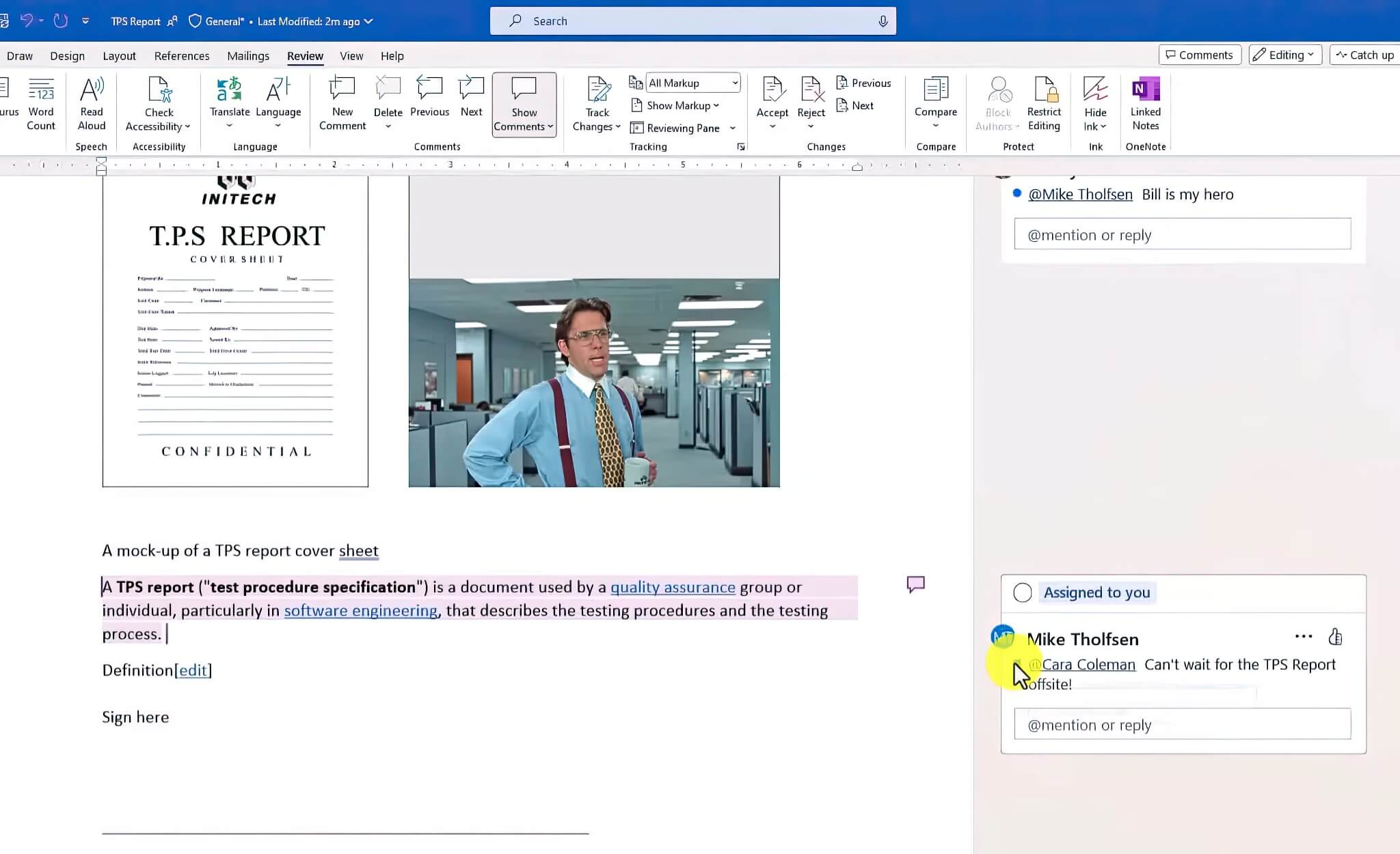
In exchange for the higher price, Microsoft Word 2024 adds support for the ODF 1.4 format, new collaboration features, and improved Document Recovery capabilities. Excel 2024 introduces new array functions to make managing complex data and formulas easier, while PowerPoint 2024 adds voice recording, digital ink annotations, detailed subtitles, and other video-related features.
Additionally, Microsoft will also end support for a series of other products in 2026, including:
- Advanced Threat Analytics 1.X (January 13)
- Dynamics 2016 (various milestones)
- InfoPath 2013 (July 14)
- Project Server 2016 and 2019 (July 14)
- SharePoint Designer 2013 (July 14)
- SharePoint Server 2016 and 2019 (July 14)
- .NET 9 (May 12)
- .NET 8 LTS (November 10)
- PowerShell and PowerShell 7.4 LTS (November 10)
Users currently using any software on this list should start planning their upgrades or transitions now to avoid unnecessary risks in the future.