
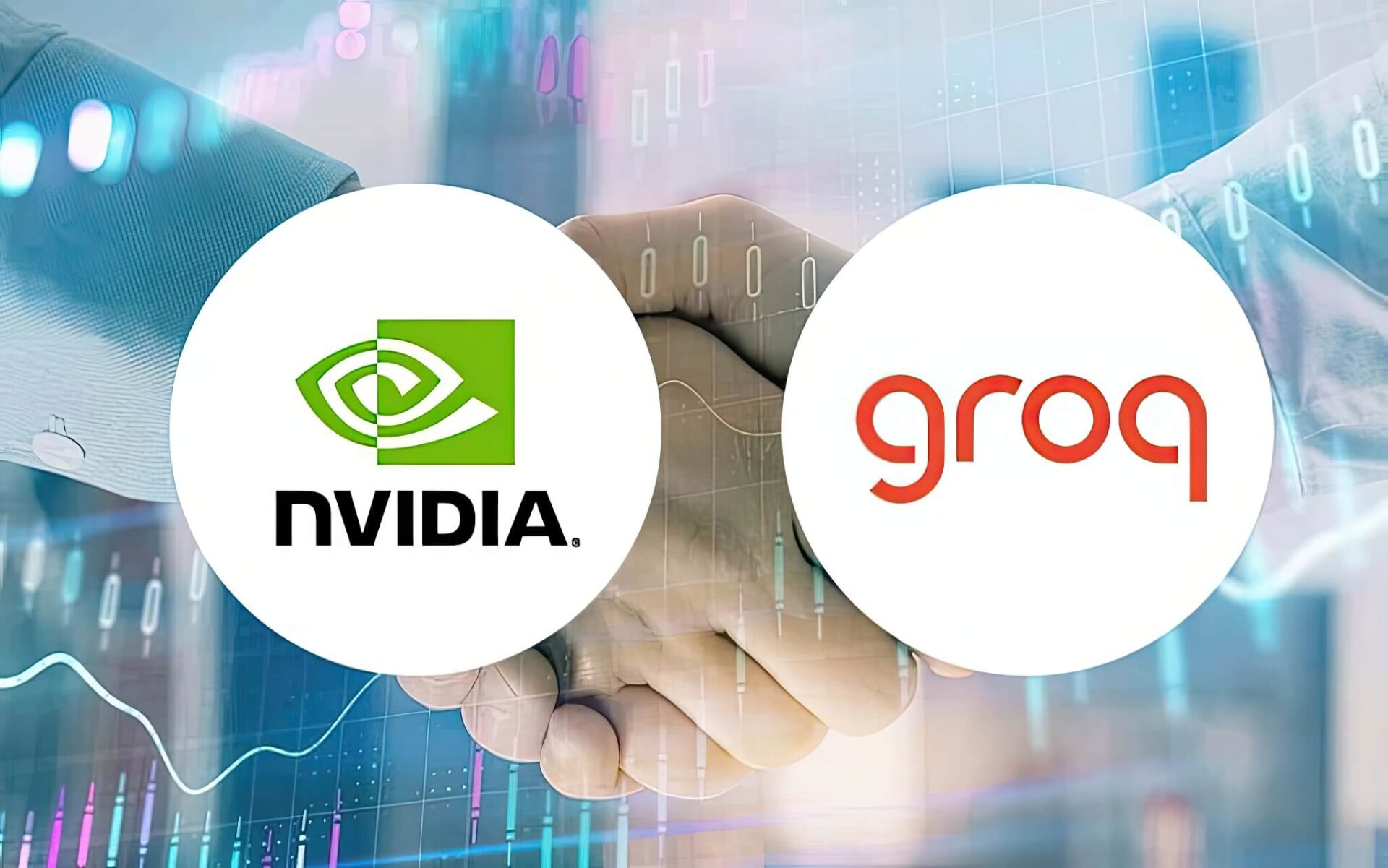
Nvidia has officially finalized a massive $20 billion licensing deal with AI startup Groq. This strategic move grants the "Green Giant" access to deep technical expertise and key personnel who could otherwise become dangerous competitors in the future. Although legally not an acquisition, the deal's actual nature bears the clear hallmarks of a disguised takeover aimed at avoiding intense scrutiny from antitrust regulators.
Nvidia's "Acqui-hire" Tactics and Key Personnel
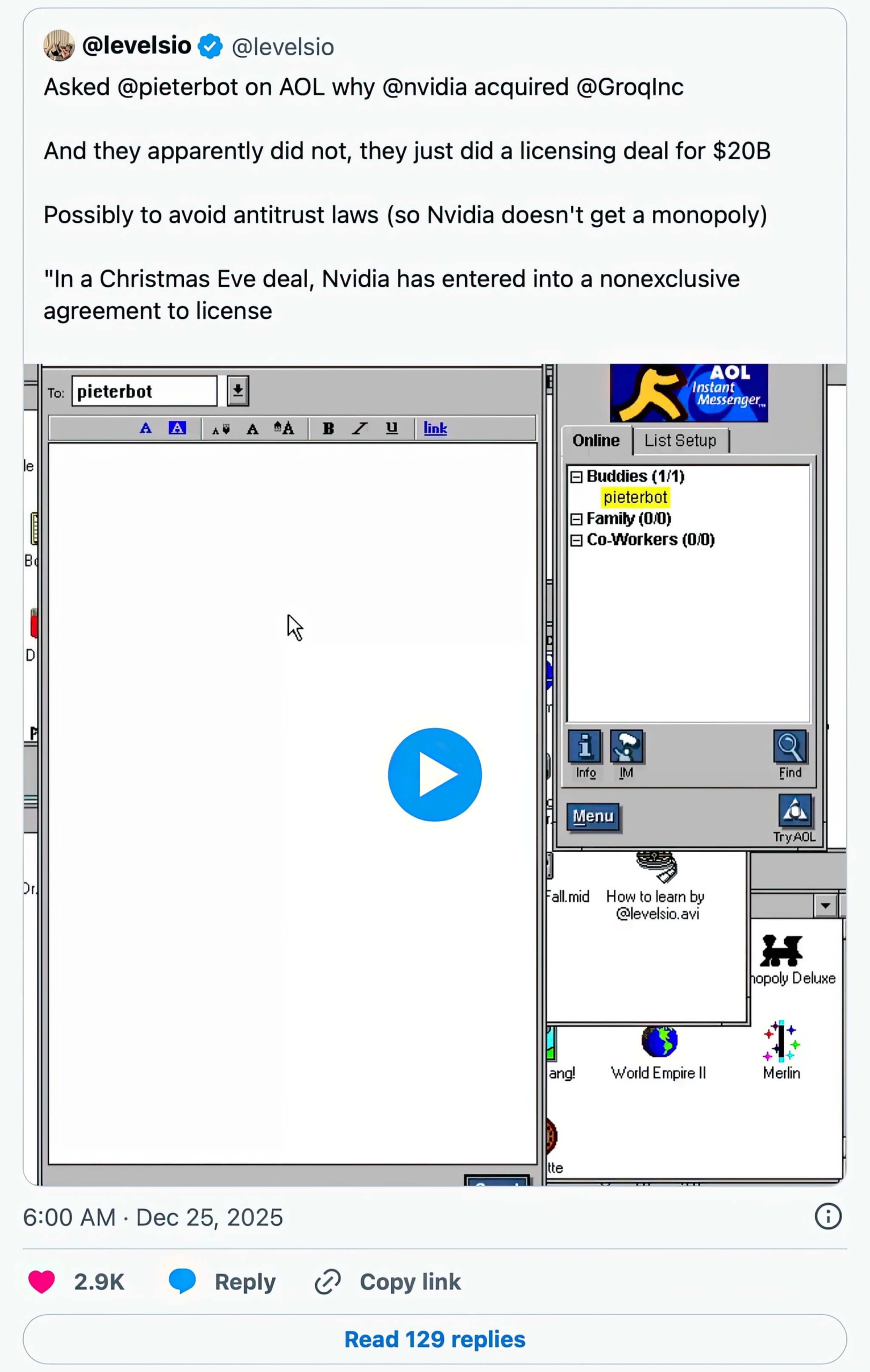
When news of the $20 billion deal broke on Christmas Eve (December 24), many mistakenly believed it was Nvidia's largest acquisition in history. However, the company quickly clarified that this is merely a "non-exclusive licensing agreement" for Groq's inference technology. For Nvidia, which recently reported profits of up to $32 billion last quarter, this $20 billion expenditure underscores the strategic importance of defending its leadership position against increasing pressure from emerging chip architectures outside its GPU ecosystem.
This deal aligns perfectly with the "acqui-hire" trend currently sweeping Silicon Valley: a transaction that is not an acquisition legally but functions as one in practice. Such deals often combine large cash payments, intellectual property licensing, and the selective recruitment of top executives. Microsoft, Google, Amazon, and Meta have all used this method to acquire technology without being "whistleblown." In this case, Nvidia's true target appears to be CEO Jonathan Ross, Chairman Sunny Madra, and core engineers specializing in ultra-efficient AI inference chips.
Inference Technology and the TPU Threat
Groq has built its reputation on a specialized computing architecture designed for large-scale, low-latency inference. Although the company's initial chip products received mixed reactions-with some analysts calling them a breakthrough and others questioning their scalability-Nvidia's licensing decision suggests they highly value the potential of integrating Groq's designs into future products.
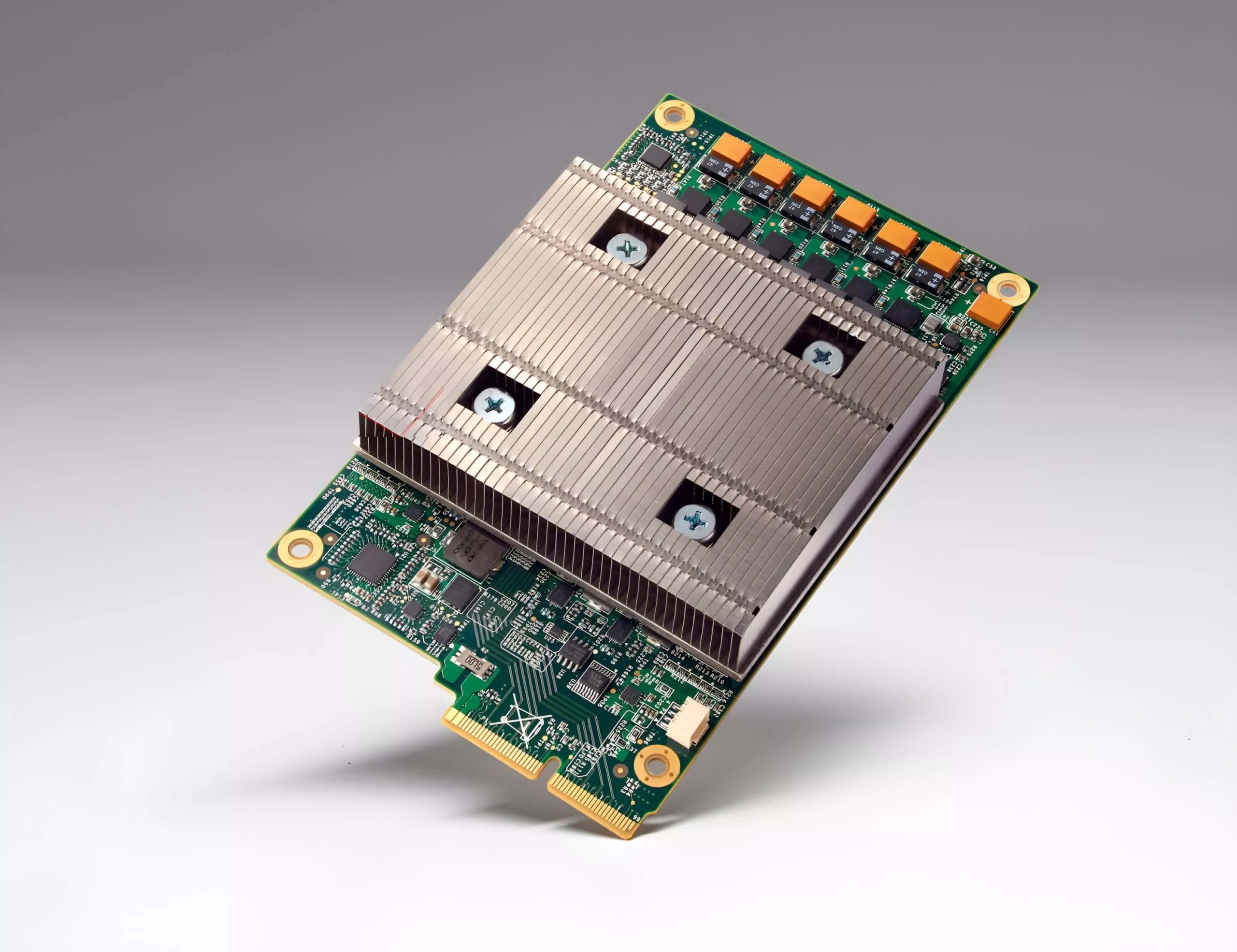
Even more critical is the human element. CEO Jonathan Ross previously helped develop Google's Tensor Processing Unit (TPU)-the line of chips that allows Google to run large-scale AI models without relying on Nvidia GPUs. This experience makes him one of the few individuals with the direct expertise to design hardware that competes with Nvidia. The success of the TPU forces Nvidia to prepare for a scenario where AI workloads shift from general-purpose GPUs to specialized inference hardware, where energy efficiency and speed are paramount. Bringing Ross's team "under its wing" helps Nvidia neutralize an independent competitor while absorbing vital technical brainpower.
Circumventing Antitrust Laws to Eliminate Competition
The structure of this deal carries consequences as significant as the technology itself. A direct acquisition would almost certainly trigger intense antitrust investigations due to Nvidia's dominant market position. By choosing a licensing model, Nvidia achieves its control objectives without changing official ownership. Critics describe these as "functional acquisitions," allowing tech giants to consolidate power and drain competitors of talent without a formal merger, leaving the acquired company "hollowed out," similar to the deal between Meta and Scale AI.
While the holiday announcement may have limited immediate public attention, concerns regarding monopolies are unlikely to vanish. Nvidia's deal, though cleverly designed to ensure speed and discretion, may still face long-term scrutiny if regulators believe this action is covertly stifling healthy competition in the AI hardware market.