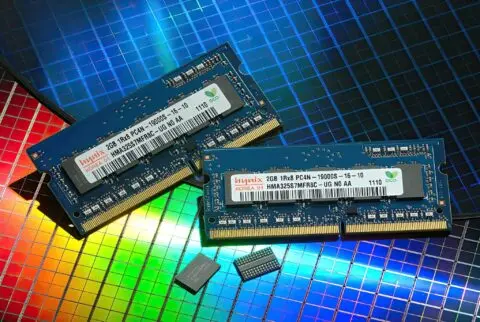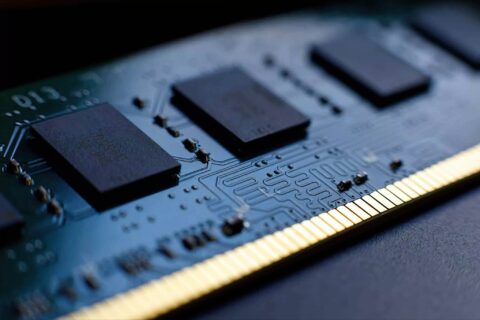
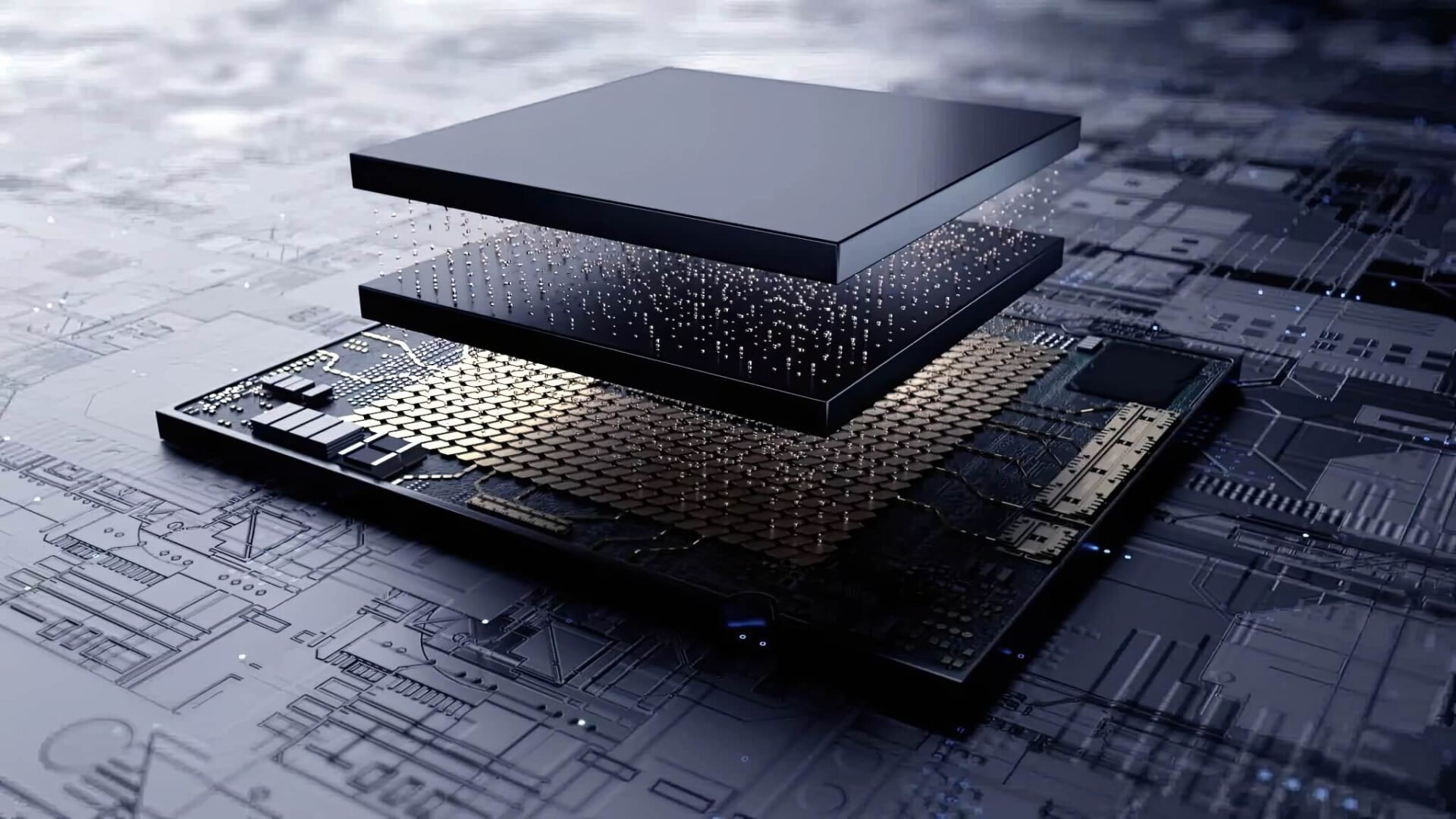
Tech companies with real chipmaking capacity are racing to boost their investment in new fabs. Against that backdrop, SK Hynix, one of the largest semiconductor suppliers in the world, is planning a new facility dedicated to producing HBM memory chips (high-bandwidth memory). The strategic move reflects surging demand for advanced memory chips that support the boom in artificial intelligence (AI) and other high-performance computing applications.
A Strategic Investment in an HBM Memory Chip Plant in Cheongju
SK Hynix has officially announced a major investment in a new plant in South Korea. The Icheon-based company will spend a massive $12.9 billion to develop a facility devoted to advanced chip packaging processes. The plant will be located in Cheongju, a city that already hosts other important SK Hynix manufacturing sites. The choice of location points to a strategy of concentrating resources and making use of the South Korean tech giant's existing infrastructure.
The new plant, called P&T7, is expected to play a key role in SK Hynix's efforts to meet fast-growing market demand for AI products, including HBM memory chips. According to the announced plan, construction is expected to begin in April 2026 and finish by the end of the following year. It is a fairly tight timeline, and it shows how urgently the company wants to expand its production capacity.

Cheongju is already home to the M15 plant, which SK Hynix completed in 2018. A second facility, M15X, is also under construction in the area to further expand the company's capacity for new generations of HBM and other DRAM chips. According to SK Hynix, construction at M15X is moving faster than originally planned, a sign of how determined the company is in the semiconductor race.
The P&T7 plant in Cheongju is forecast to significantly strengthen South Korea's HBM output. However, SK Hynix says it is aiming beyond short-term efficiency gains. As one of the "crown jewels" of the chipmaking industry in the land of kimchi, the company is also weighing medium- and long-term investments in Cheongju, which promise new jobs and economic growth for the region.
The OpenAI Partnership and Its Effect on Memory Chip Prices
Beyond expanding its own production, SK Hynix is also one of the main partners OpenAI has chosen for its ambitious Stargate project. Together with Samsung, the company signed an unprecedented agreement to raise output to an impressive 900,000 DRAM wafers per month. No specific timeline has been announced for when that enormous volume will be reached, but it shows the sheer scale of the partnership.
As part of the Stargate initiative, SK Hynix has also committed to building a new AI data center in the southwest of South Korea. The added production capacity is expected to ease the severe shortage of DRAM chips and other silicon products. It also brings big financial gains to SK Hynix while market demand is at its peak.
One important detail for consumers and businesses: both Samsung and SK Hynix are now expected to raise DRAM prices by as much as 70 percent. Meanwhile, Big Tech companies and other large data center customers continue to buy up every chip the two companies can supply in the years ahead. That points to a period in which PC component prices, memory in particular, become more expensive than ever, driven by fierce competition for supplies of HBM memory chips and DRAM to feed the global AI frenzy.