
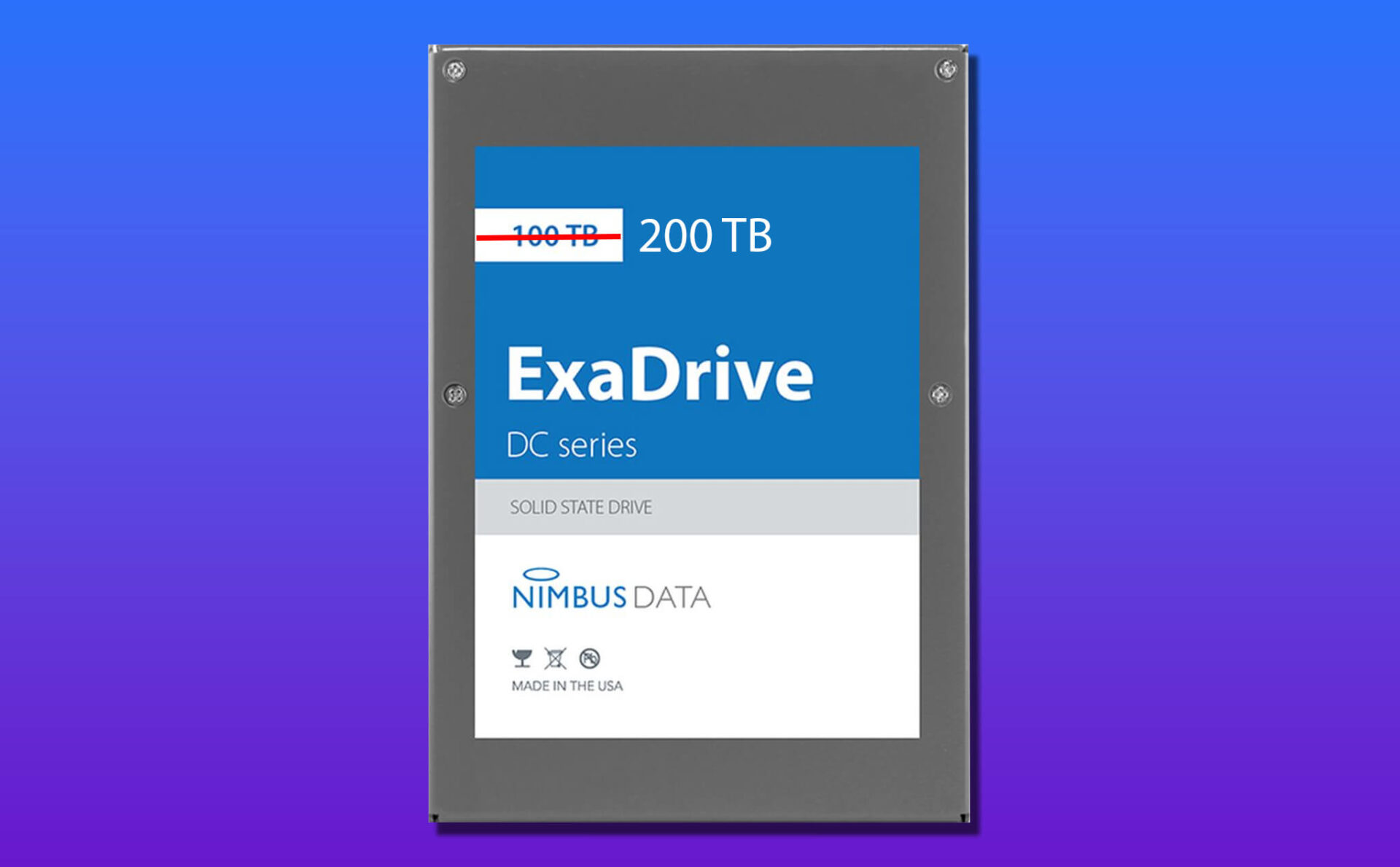
Nimbus previously released an SSD with a capacity of up to 100 TB from the ExaDrive DC series, featuring a 3.5" form factor and using SATA/SAS interfaces like an HDD, targeting data centers.
The ExaDrive DC series offers various capacity levels, all of which are extremely high compared to standard SSDs, starting from a minimum of 16 TB and now reaching a maximum of 200 TB.
Nimbus Data CEO - Thomas Isakovich stated: "We are developing a successor to the 100 TB SSD to provide more storage capacity, better performance, and higher energy efficiency compared to the 100 TB drive. It will be launched later this year." However, he did not provide further specifications for this 200 TB drive, such as whether it will maintain the 3.5" form factor like the 100 TB version, whether it will use TLC NAND or QLC NAND, and the price has not yet been revealed.
Techradar reported that in a 2020 interview with Isakovich, he mentioned this 200 TB version and expected it to launch last year. However, COVID and subsequent supply chain disruptions caused the plan to be delayed. Now that things are gradually returning to normal, Nimbus is returning to its plan to develop the 200 TB SSD. A 200 TB capacity is massive, being 10 times larger than the highest-capacity HDDs currently being manufactured, such as the Seagate Exos/IronWolf Pro 20 TB or WD Ultrastar DC H650 20 TB.

Nimbus Data's ExaDrive DC series aims to replace HDDs in data centers. Therefore, this drive line uses a 3.5" form factor and SATA/SAS interfaces to make replacement and upgrading simpler, as these are the common form factors and interfaces for HDDs.
In 2018, Nimbus used 256 Gbit dies for the 100 TB version, and currently, die capacity has reached 1024 Gbit, so theoretically, Nimbus could create a 400 TB drive. It is possible that this 200 TB version will use 512 Gbit dies because they are no longer brand new, are cheaper, and are more readily available than 1024 Gbit dies.
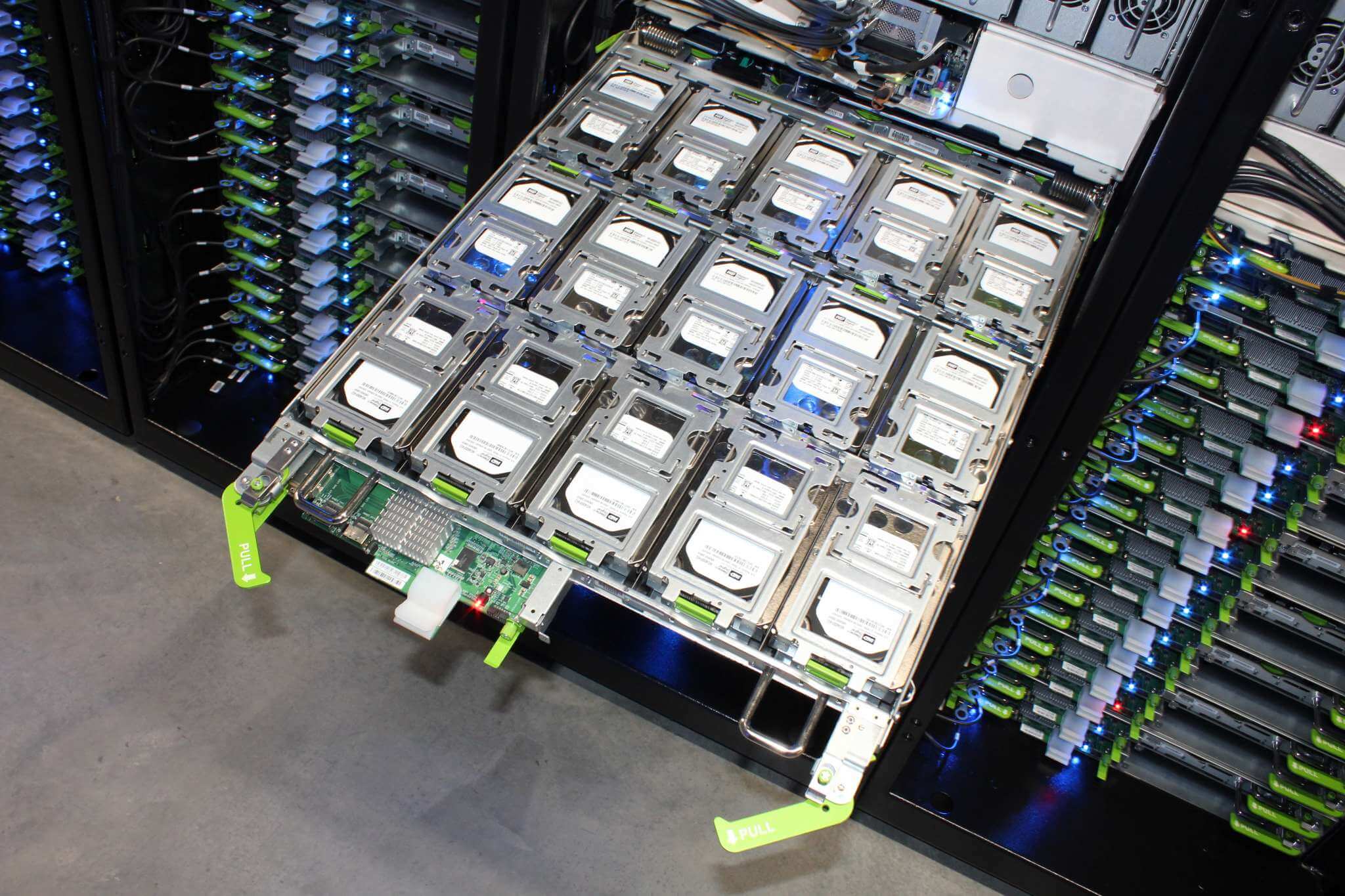
A 200 TB drive could completely replace a multi-drive 3.5" bay in data centers while consuming less power and emitting less heat, thereby reducing cooling requirements. If there is anything less appealing, it is likely the price. It is unclear how much Nimbus will sell this 200 TB drive for, but the current 100 TB version is priced at $40,000, so the price of the 200 TB version could potentially double.
Source: TechRadar