
Topic
Core Ultra
Laptops
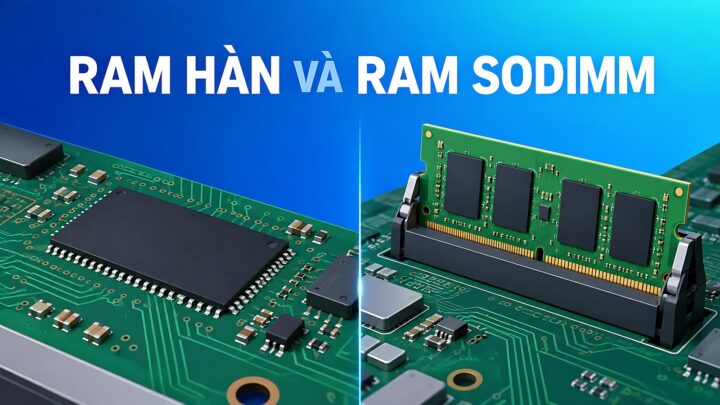
**Onboard RAM vs. SODIMM Upgradability: How to Accurately Calculate Your Needs** When shopping for a new laptop, one of the most critical technical decisions involves the memory architecture: should you opt for soldered (onboard) RAM or a system with SODIMM slots for future upgrades? Choosing incorrectly can lead to a device that is either unnecessarily expensive or prematurely obsolete. To make an informed decision, you must understand the trade-offs of each configuration and how to accurately project your future computing requirements. ### Understanding the Architectures **Onboard (Soldered) RAM** In many modern, ultra-thin laptops (such as many Ultrabooks and MacBook models), the RAM chips are soldered directly onto the motherboard. * **The Pros:** This design allows for thinner, lighter chassis and more efficient power consumption. It also typically offers faster data transfer speeds due to the direct connection to the processor. * **The Cons:** There is zero flexibility. Once you purchase the laptop, the amount of RAM is fixed for the life of the device. If you realize a year later that you need more memory, you cannot upgrade it; you would have to replace the entire machine. **SODIMM (Upgradable) RAM** Traditional laptops often use Small Outline Dual In-line Memory Modules (SODIMM). These are physical sticks that plug into slots on the motherboard. * **The Pros:** This provides maximum longevity and flexibility. If your workflow becomes more demanding, you can simply buy a new module and install it yourself (or have a technician do it) for a relatively low cost. * **The Cons:** These slots take up physical space, which is why laptops with upgradable RAM are often slightly thicker or heavier. Additionally, having empty slots or multiple modules can sometimes lead to slightly higher power consumption compared to optimized soldered layouts. ### How to Accurately Calculate Your Requirements To avoid the "buyer's remorse" of insufficient memory or the "wasteful spending" of over-provisioning, follow these guidelines based on your intended use case: **1. Basic Productivity and Web Browsing (8GB RAM)** If your primary tasks involve checking emails, streaming video (Netflix/YouTube), and using web browsers with a moderate number of tabs open, 8GB is the baseline. However, for modern operating systems and heavy web usage, 8GB is increasingly considered the absolute minimum. **2. Multitasking and Office Work (16GB RAM)** For professionals who keep dozens of Chrome tabs open, run multiple Microsoft Office applications simultaneously, and participate in frequent video conferences (Zoom/Teams), 16GB is the "sweet spot." This amount provides enough headroom to prevent the system from slowing down when switching between heavy applications. **3. Creative Work and Heavy Multitasking (32GB+ RAM)** If your workflow involves professional video editing (4K/8K), large-scale graphic design (Adobe Creative Cloud), running virtual machines, or heavy software development, you should aim for 32GB or more. These tasks consume massive amounts of memory to store active data for quick access. **4. Gaming (16GB to 32GB RAM)** While many modern games are optimized to run on 16GB, many high-end, AAA titles are increasingly demanding more memory to handle complex textures and open-world environments. For a future-proof gaming setup, 16GB is the standard, but 32GB is becoming the preferred choice for enthusiasts. ### The Golden Rule of Purchasing If you are choosing between a laptop with **8GB of soldered RAM** and a laptop with **8GB of RAM that is upgradable**, always choose the **upgradable** option. It is much cheaper to add more RAM later than it is to buy a whole new laptop because your current one can no longer handle your workload. Conversely, if you are buying a premium, ultra-portable laptop where weight is the priority, ensure you buy the maximum amount of RAM you think you will ever need, because you won't be able to change it later.

Laptops
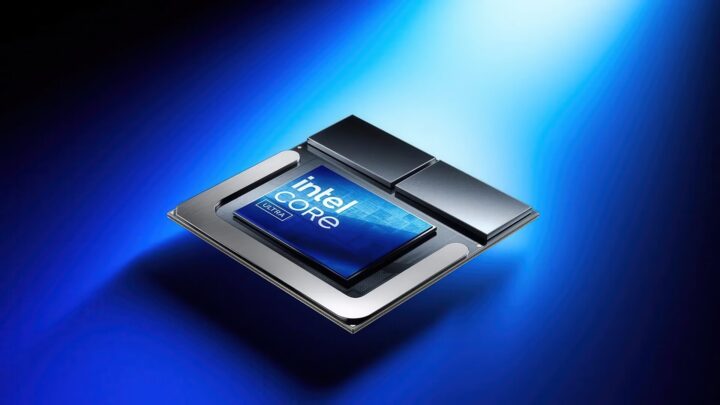
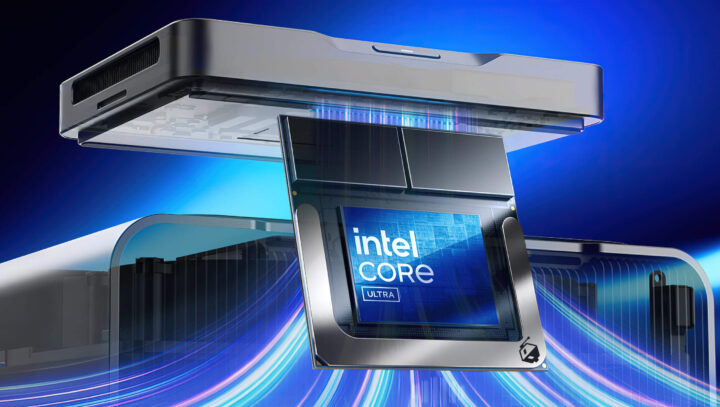
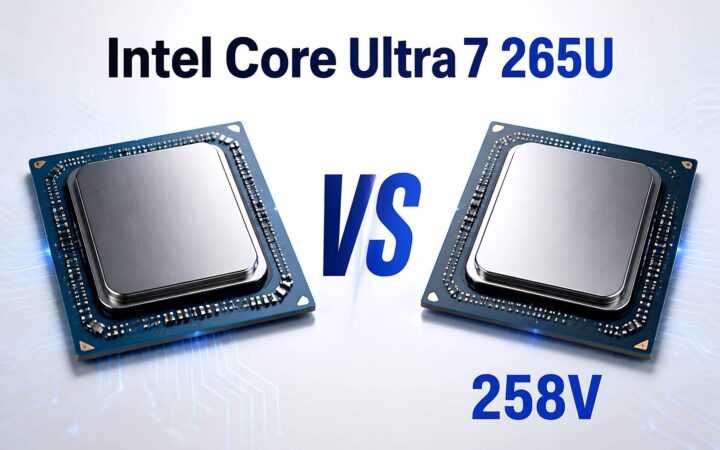
**Intel Core Ultra 7 265U vs. 258V: Which is the Better Choice for Real-World Use?** When choosing between the Intel Core Ultra 7 265U and the Core Ultra 7 258V, the "better" option depends entirely on how you actually use your laptop. While both belong to Intel's latest architectural generations, they are designed for fundamentally different types of users. **The Core Ultra 7 265U: The Productivity Workhorse** The Core Ultra 7 265U is built for the traditional professional. It is designed for users who need a reliable machine for multitasking, heavy office applications, and demanding workflows. The primary advantage of the 265U lies in its versatility and traditional architecture. It is optimized for stability in multitasking environments-think having dozens of browser tabs open alongside heavy Excel spreadsheets, specialized enterprise software, and various background applications. If your daily routine involves heavy data processing or a wide variety of productivity tools, the 265U is engineered to handle those fluctuating workloads efficiently. **The Core Ultra 7 258V: The Efficiency and AI Specialist** The Core Ultra 7 258V, part of the "Lunar Lake" family, represents a shift in Intel's philosophy. This chip is not just about raw processing power; it is about extreme efficiency and integrated AI capabilities. The 258V is the superior choice for users who prioritize mobility and battery life. It is designed to provide a seamless, "always-on" experience, making it ideal for students or travelers who spend long hours away from a power outlet. Furthermore, the 258V features a significantly more powerful NPU (Neural Processing Unit), making it the better option for users looking to leverage AI-driven features-such as advanced background blur in video calls, local AI image generation, or AI-enhanced creative tools-without draining the battery. **The Verdict: Which Should You Buy?** The decision comes down to your specific priorities: * **Choose the Intel Core Ultra 7 265U if:** You are a professional who needs a high-performance multitasking machine for heavy office work, data management, and diverse software applications where consistent, high-level processing is the priority. * **Choose the Intel Core Ultra 7 258V if:** You prioritize ultra-long battery life, portability, and the latest AI-driven technologies. It is the ideal choice for mobile users who want a smart, efficient device that can keep up with modern, AI-integrated workflows on the go.
Laptops