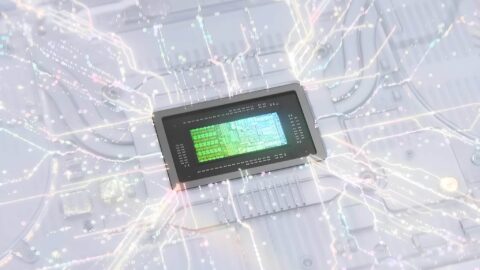

As AI workloads reshape the entire technology industry, AMD is planning to develop discrete NPU (Neural Processing Unit)** - an independent neural processor - to complement or replace GPUs in next-generation AI PCs. This is a significant move, reflecting the global trend toward specialized accelerators that promise higher performance and optimized energy efficiency.
AMD and the Ambition for Discrete NPUs for AI PCs
Rahul Tikoo, Head of Client CPU at AMD, shared that the company is in discussions with partners regarding the demand and use cases for standalone NPUs. While a specific launch date has not been announced, AMD asserts they have the necessary foundation to deploy quickly if they decide to proceed. The introduction of discrete NPUs would allow AMD to expand its product portfolio beyond CPUs, GPUs, and integrated NPUs.
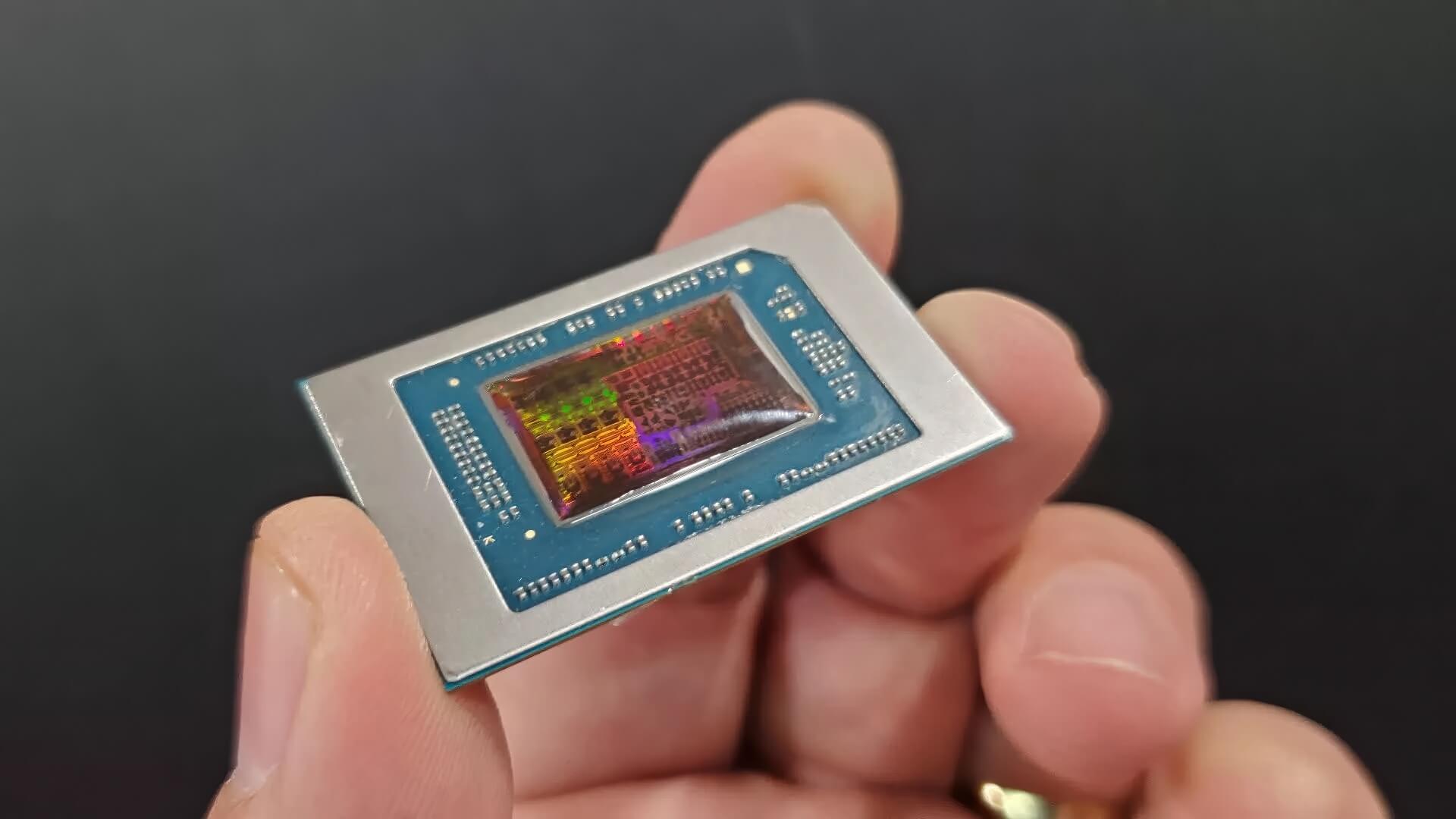
AMD has already integrated AI engine technology from the Xilinx acquisition, bringing NPU blocks into the new Ryzen chip lineup. This is considered a solid foundation for developing standalone products aimed at high performance while remaining energy-efficient, making them particularly suitable for thin-and-light laptops and AI workstations.
Competitive Advantage in the AI Race
The AI PC market is seeing strong participation from giants like Lenovo, Dell, HP alongside many startups. Dell recently launched the Pro Max Plus laptop featuring the Qualcomm AI 100 card, promoted as the first enterprise-grade discrete NPU. Meanwhile, startups like Encharge AI are committed to delivering NPU solutions with performance comparable to GPUs but with lower power consumption and cost.
According to expert Christopher Cyr from Sterling Computers, if AMD introduces an NPU capable of reaching 50 TOPS, scaling up to 100 TOPS is entirely feasible. However, the deciding factor remains energy efficiency. A discrete NPU that consumes less power and generates less heat will become a true alternative, rather than just a miniaturized GPU.
AMD's Long-term Direction in the AI PC Era
Beyond hardware, AMD is also driving software projects like Gaia, an open-source platform that allows large language models to run directly on PCs using Ryzen. This demonstrates that the company is not just focusing on hardware but is also building a comprehensive AI ecosystem, creating a competitive advantage against Nvidia and Intel.
For many years, GPUs have served as the default accelerators for AI, but the rise of discrete NPUs promises to change the game. With a strategy of product diversification and a focus on energy efficiency, AMD has a significant opportunity to become a key player in the next wave of AI PCs.