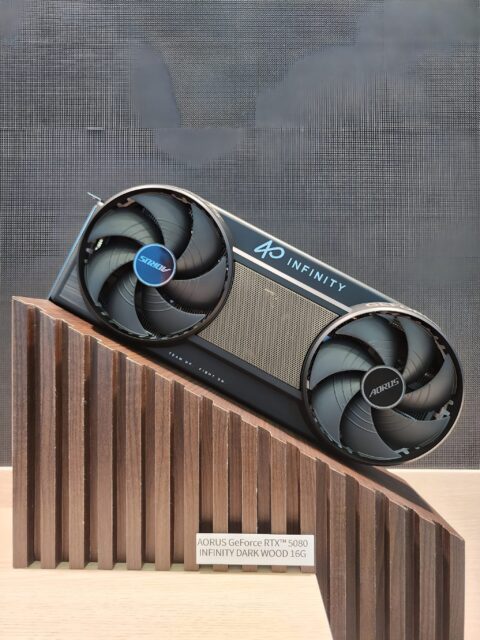

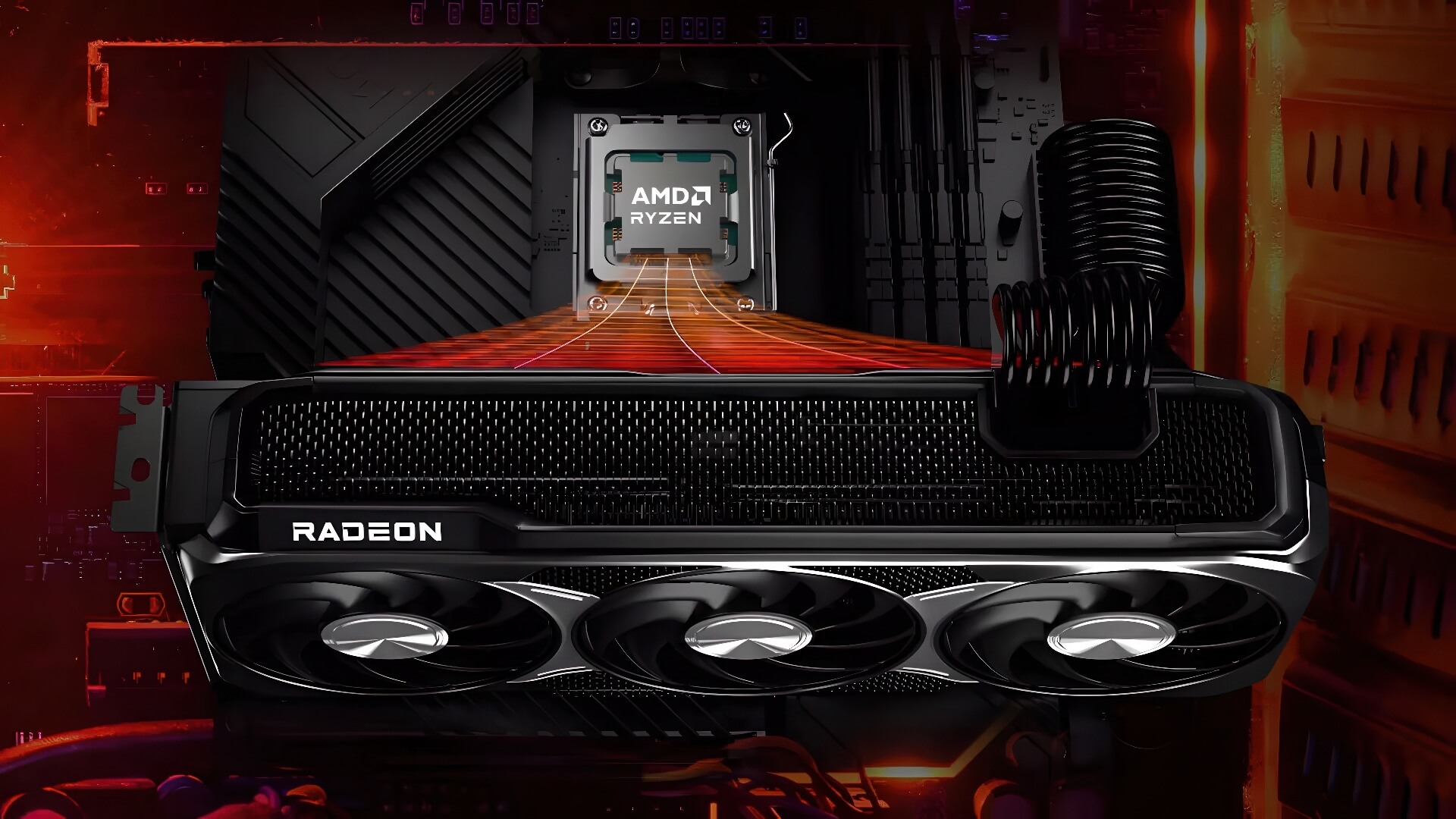
Following the success of Radeon 9000 in the mid-range and mainstream segments, AMD is shifting its focus toward the high-end segment with the RDNA 5 graphics architecture (codename UDNA). According to leaks, the flagship line using RDNA 5 will compete directly with the Nvidia RTX 5080, particularly in ray tracing capabilities-a traditional weakness for AMD compared to GeForce.
Significantly Improved Ray Tracing Performance
RDNA 5 is expected to deliver a massive leap in graphics performance. The flagship configuration is anticipated to feature 96 compute units and a 384-bit memory bus equivalent to the RX 7900 XTX, yet rasterization performance is said to increase by 20% compared to RDNA 4. More importantly, ray tracing capabilities are rumored to double, allowing AMD to compete on equal footing or even outperform the RTX 5080 in certain complex graphical tasks. This is a clear effort by AMD to address the path tracing limitations faced against Nvidia in previous generations.
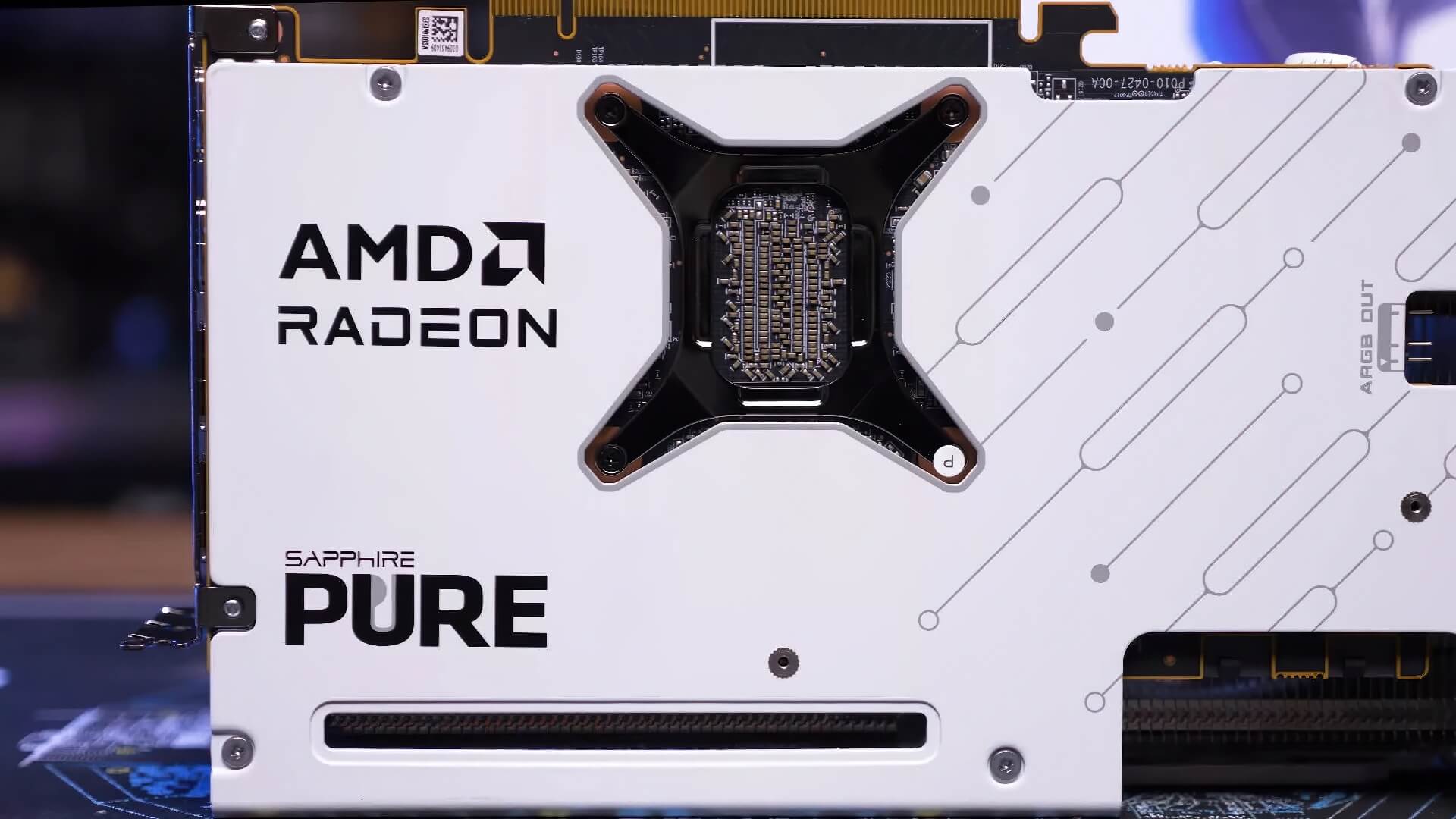
Not only focusing on ray tracing, RDNA 5 also features improvements in AI processing capabilities thanks to the integration of specialized computing cores, which accelerate machine learning algorithms and advanced image processing. This allows AMD graphics cards to better serve high-performance AI applications, alongside their traditional role in gaming.
Additionally, power management and thermal technologies on RDNA 5 have also been upgraded by AMD to ensure stable performance over long periods without overheating-an increasingly important factor as modern GPUs consume significant power and operate continuously at high loads.
Real-world Applications and High-end Segment Strategy
With superior ray tracing and AI performance, the RDNA 5 GPU promises to be an attractive choice for high-end gamers, professional content creators, and AI applications. Beyond serving the PC market, the UDNA architecture is also rumored to be the graphics foundation for the next generation of PlayStation 6 and Xbox, helping AMD expand into the high-end console market.
For gamers, RDNA 5 will deliver 4K resolution gaming experiences with complex lighting effects accurately rendered thanks to ray tracing. For content creators, the computational power of RDNA 5 will support faster 8K video processing, 3D graphics design, and film editing. Even in the field of AI, this graphics card could become an indispensable part of workstations dedicated to processing artificial intelligence models.
However, AMD has not yet set its sights on competing with Nvidia's highest flagship lines like the RTX 5090 or 6090. Instead, the company is focusing on the upper-mid-range segment-where the RTX 5080 is the primary rival. Another issue is the predicted high cost of consoles using the UDNA architecture, which could exceed the 1,000 USD threshold, approaching the pre-built PC segment rather than traditional consoles.
In summary: RDNA 5 is a significant step forward that helps AMD assert its position in the high-end GPU segment. With major improvements in ray tracing, rasterization performance, AI processing capabilities, and power efficiency, AMD could challenge the Nvidia RTX 5080 in the next GPU generation, not only on PC but also in the console realm. Users ranging from gamers and creators to AI engineers will be the direct beneficiaries of the development of this next-generation graphics architecture.