
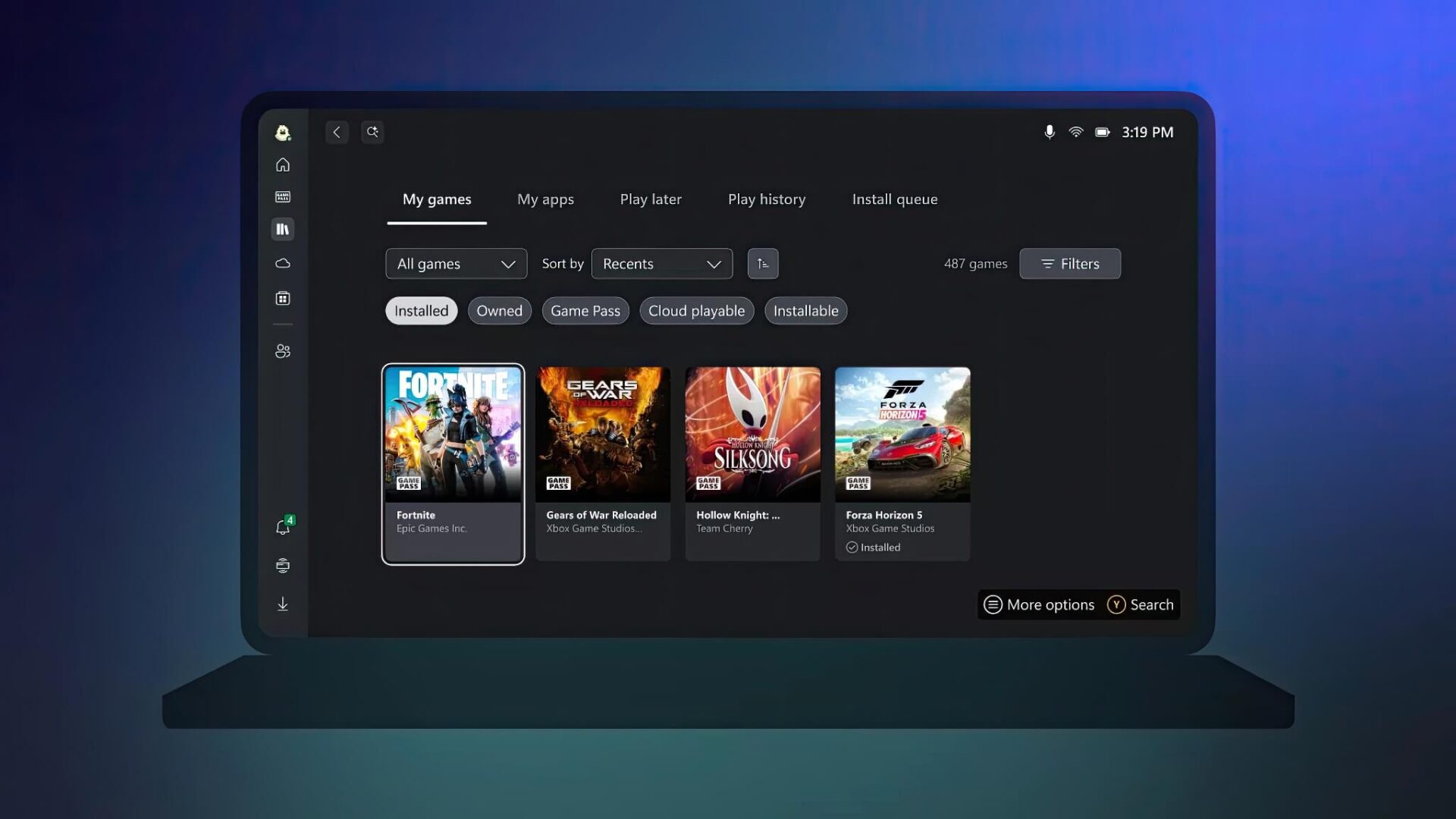
Microsoft and Qualcomm have spent over a year and a half striving to promote a version of Windows specifically designed to run on Arm processors, and now the Windows Arm platform is receiving extremely positive signals as the official Xbox app has officially arrived, bringing impressive game compatibility. While most essential applications now natively support this architecture, the gaming sector has still been lagging behind. However, this landscape is expected to change dramatically in 2026, as the launch of the native Xbox app and the emergence of more powerful Arm hardware signal a new horizon for gaming on this platform.
Native Xbox App and the Progress of Windows Arm
Windows users owning laptops powered by Qualcomm Snapdragon chips can now download the native version of the Xbox app. This move is expected to significantly improve performance compared to before. Gaming support on Windows Arm has made great strides since 2024, and even more powerful improvements are likely to appear in the near future.
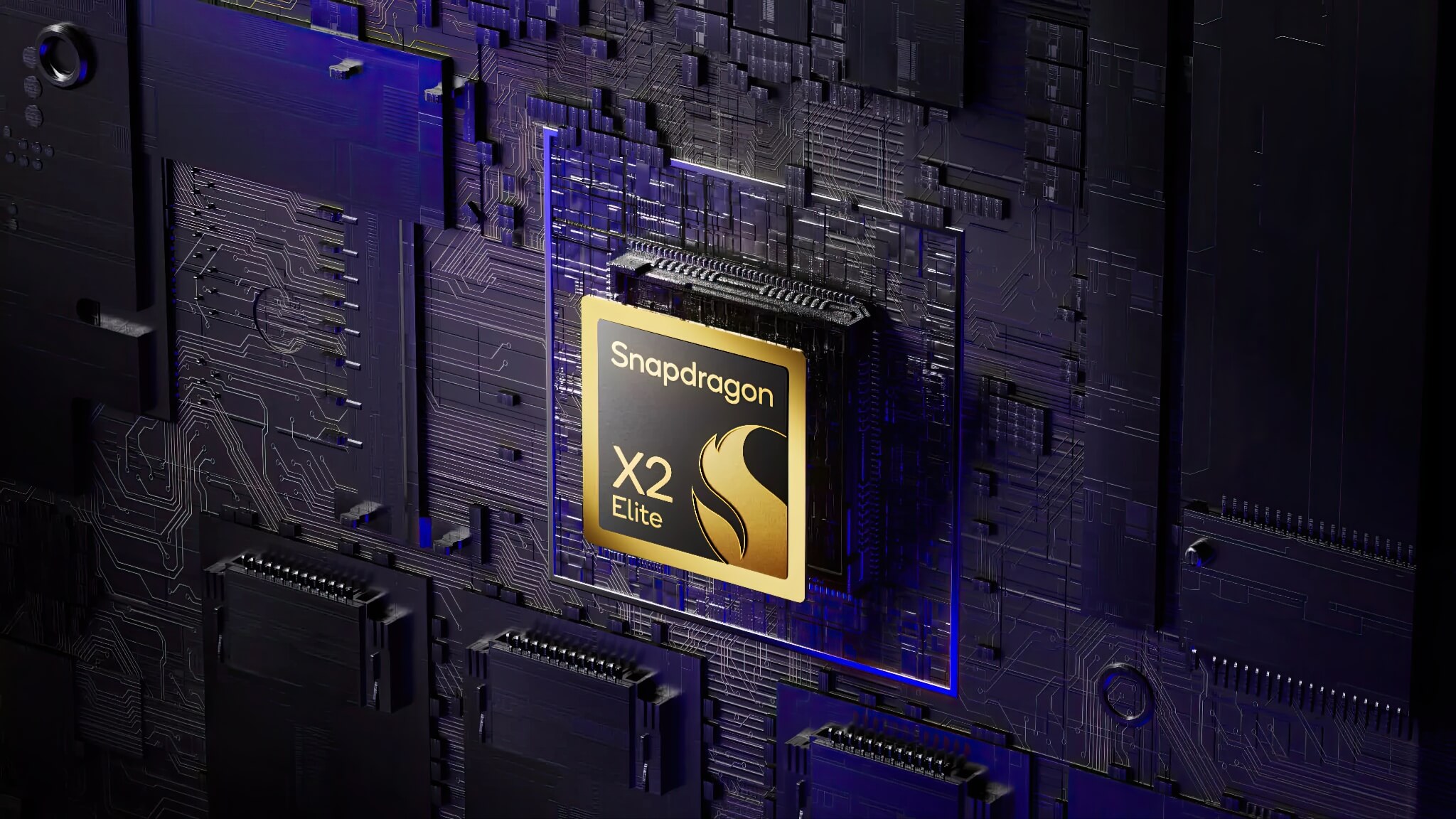
Since Qualcomm introduced the Snapdragon X Elite product line in 2024, many manufacturers have released Windows PCs based on the Arm architecture. Important and popular applications such as Google Chrome, Slack, WhatsApp, Adobe Lightroom, and Spotify now all run natively on this platform. This provides significantly better performance compared to traditional x86 architecture competitors, which must rely on Microsoft's Prism compatibility layer.
However, for gaming, users still have to rely on the Prism emulator. Qualcomm recently stated that 90% of current Windows games are playable via emulation. Meanwhile, Microsoft has affirmed that 85% of the game catalog in PC Game Pass works well with Prism, thanks to improved support for AVX and AVX2 instruction sets. Additionally, anti-cheat systems from Epic Games, Tencent, Roblox, and many other companies have already supported Arm, leaving Electronic Arts (EA) as the biggest name that has yet to embrace the platform.
A Promising Future with New Hardware and an Expanded Game Library
The first Windows games running natively on Arm may debut as early as this year, following Microsoft's recent release of the Windows Arm compiler. Major game development tools like Unreal Engine and Unity already support this instruction set, lowering the technical barriers for game developers.
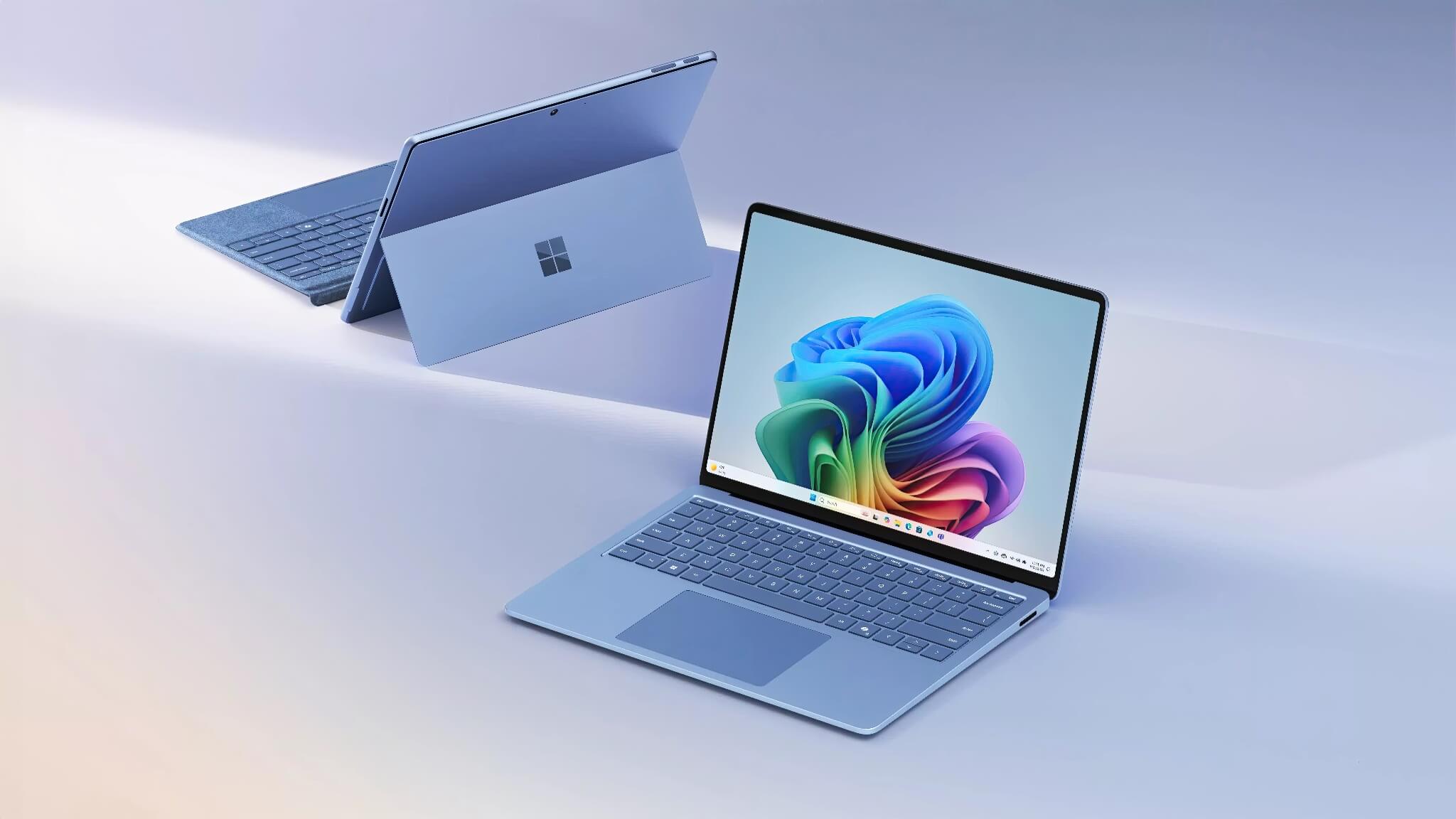
While Qualcomm has promised improved gaming performance on Snapdragon processors compared to Intel and AMD mobile chips, the anticipated involvement of Nvidia could be the factor that significantly accelerates this progress. Nvidia's long-rumored Arm chip, codenamed N1X, could power laptop models as early as the first quarter of 2026. This chip is expected to feature a 20-core CPU with graphics performance comparable to mid-range RTX series GPUs. Additional variants may follow in the second quarter, alongside the next-generation N2 platform expected to launch in 2027.
Nevertheless, developer enthusiasm for Windows Arm remains a major question mark. The Xbox app is currently the only major game launcher with native Arm support. In contrast, platforms like Steam quickly embraced Apple's Arm-based M-series chips. Blockbuster titles like Cyberpunk 2077, Assassin's Creed, Baldur's Gate 3, and Balatro all support Apple Silicon, but developers have yet to publicly commit to bringing similar levels of support to Windows Arm.