
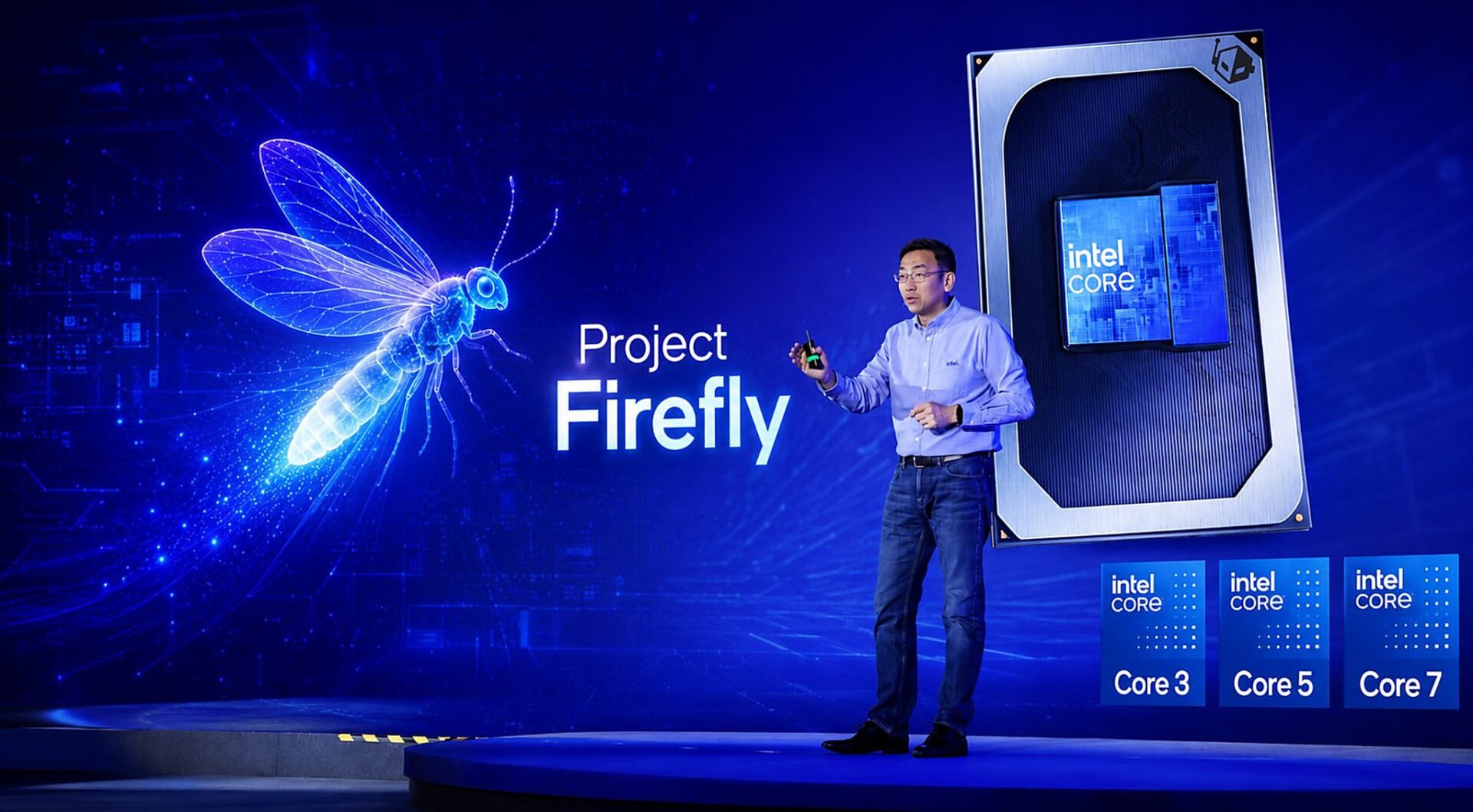
Intel Project Firefly has just been announced by Intel in China as a common design framework for laptops using Wildcat Lake chips, instead of letting each manufacturer struggle from scratch. The key point lies not in a specific model, but in how Intel wants to bring the entire supply chain into a single standard to shorten product launch times. If this plan runs as expected, mainstream and mid-range laptop buyers will soon see many more models that are consistent in terms of battery life, ports, and displays. This is also Intel's way of positioning a clearer rivalry against MacBook Neo.
What exactly is Intel Project Firefly and why should laptop buyers care?
According to Intel's Project Firefly, the company will work with both upstream and downstream partners to standardize system designs for Wildcat Lake laptops. Intel stated that the first 70 designs will be released in the initial launch, all revolving around the new Core Series 3 line. Simply put, instead of each OEM spending extra time re-balancing motherboards, batteries, chassis, and component layouts, Intel Project Firefly provides a reference platform that is closer to actual retail products.
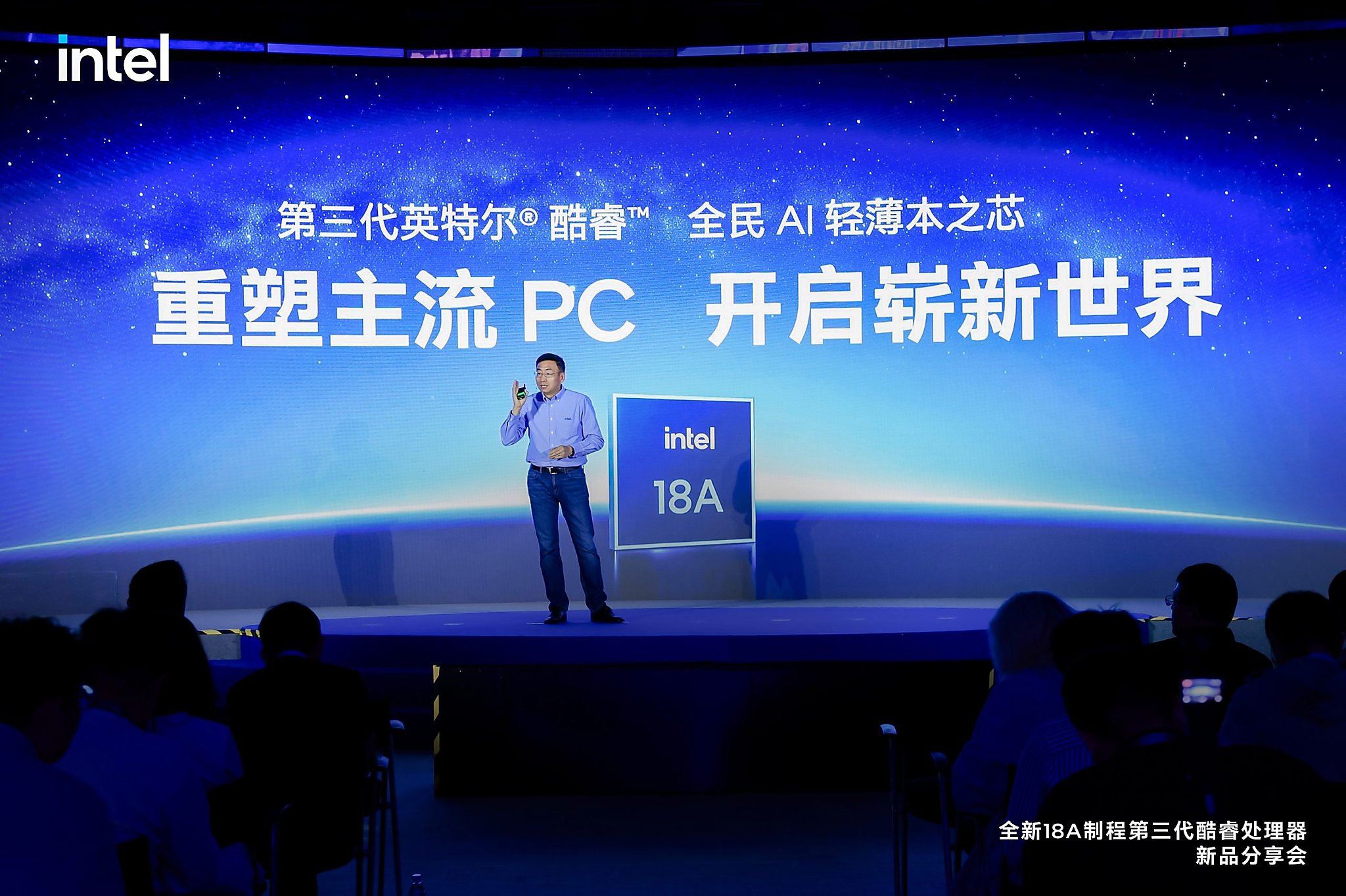
The benefit for users is that this type of standardization often helps manufacturers release devices faster and reduces unreasonable discrepancies between models in the same price range. A Wildcat Lake laptop using the Firefly framework might not immediately become a high-end machine, but it is highly likely to have more stable build quality regarding battery life, essential ports, and basic display quality. For the mainstream market, this is a significant difference because many buyers do not have the time to scrutinize every minor specification before making a purchase.
Intel is also linking this initiative to the message of lightweight AI laptops for the masses. Wildcat Lake is introduced as a platform with better energy efficiency, capable of serving study, office work, and basic creative tasks. This shows that Intel wants to sell not just chips, but a "laptop recipe" to help OEMs reduce trial-and-error time.
How design standardization can help Windows laptops compete with MacBook Neo
MacBook Neo is putting pressure on the market by bringing a lightweight experience, good battery life, and accessible pricing into a single product package. With Intel Project Firefly, the Windows response is not a single laptop, but an entire series of machines with common design foundations and faster commercialization speeds. When many manufacturers follow a single standard framework, the chance of seeing models that are better balanced between price, battery, ports, and displays will be higher than the previous fragmented approach.
The table below shows why Project Firefly is noteworthy for those following mainstream Windows laptops. The biggest difference lies not in a specific model, but in how Intel is attempting to turn the manufacturing process into something more repeatable for many OEMs simultaneously.
| Factor | Previous Fragmented Approach | Firefly Direction |
|---|---|---|
| Time to market | Each manufacturer fine-tunes individually, easily extending development cycles | Using a common platform to shorten commercialization time |
| Product consistency | Same price range but significant discrepancies in battery, ports, and screens | Easier to create a more reasonable configuration baseline among OEMs |
| Retail price | Scattered development costs, difficult to optimize quickly | Standardized components and design can help better control prices |
| Competitiveness | Each individual model must prove its own appeal | Many models simultaneously create stronger pressure on MacBook Neo |
Of course, standardization does not automatically guarantee that every Wildcat Lake laptop will be attractive. The final price, build quality, and how each brand fine-tunes the device will still determine the actual experience. However, if Intel can pull the supply chain in the same direction, this initiative could help Windows laptops move away from the "every man for himself" approach, especially in the segment currently being disrupted by Googlebook Intel chips and MacBook Neo.
What to watch in the coming months is whether the first wave of devices can deliver on the promise of being more consistent while remaining affordable. If successful, Intel Project Firefly will not just be a technical initiative for OEMs, but also a positive signal for laptop buyers looking for more lightweight, stable-battery, and competitively priced options in the second half of 2026.