
Fake DDR5 RAM is becoming a new risk just as memory prices are rising, making PC and laptop buyers prone to making quick decisions due to the fear that waiting will lead to even higher prices. The problem lies in the fact that these RAM sticks look like genuine products at first glance, but inside they may use fake chips or even just pieces of plastic attached to the circuit board. For those building desktops, upgrading old machines, or hunting for components for gaming laptops, this is no longer just a matter for hardware enthusiasts but a risk of purchasing something that is practically unusable. Even more concerning is that fake goods are appearing specifically in the DDR5 segment, where high prices mean every wrong purchase is more costly than before.
Fake DDR5 RAM is dangerous because it easily exploits the urge to buy quickly when prices rise
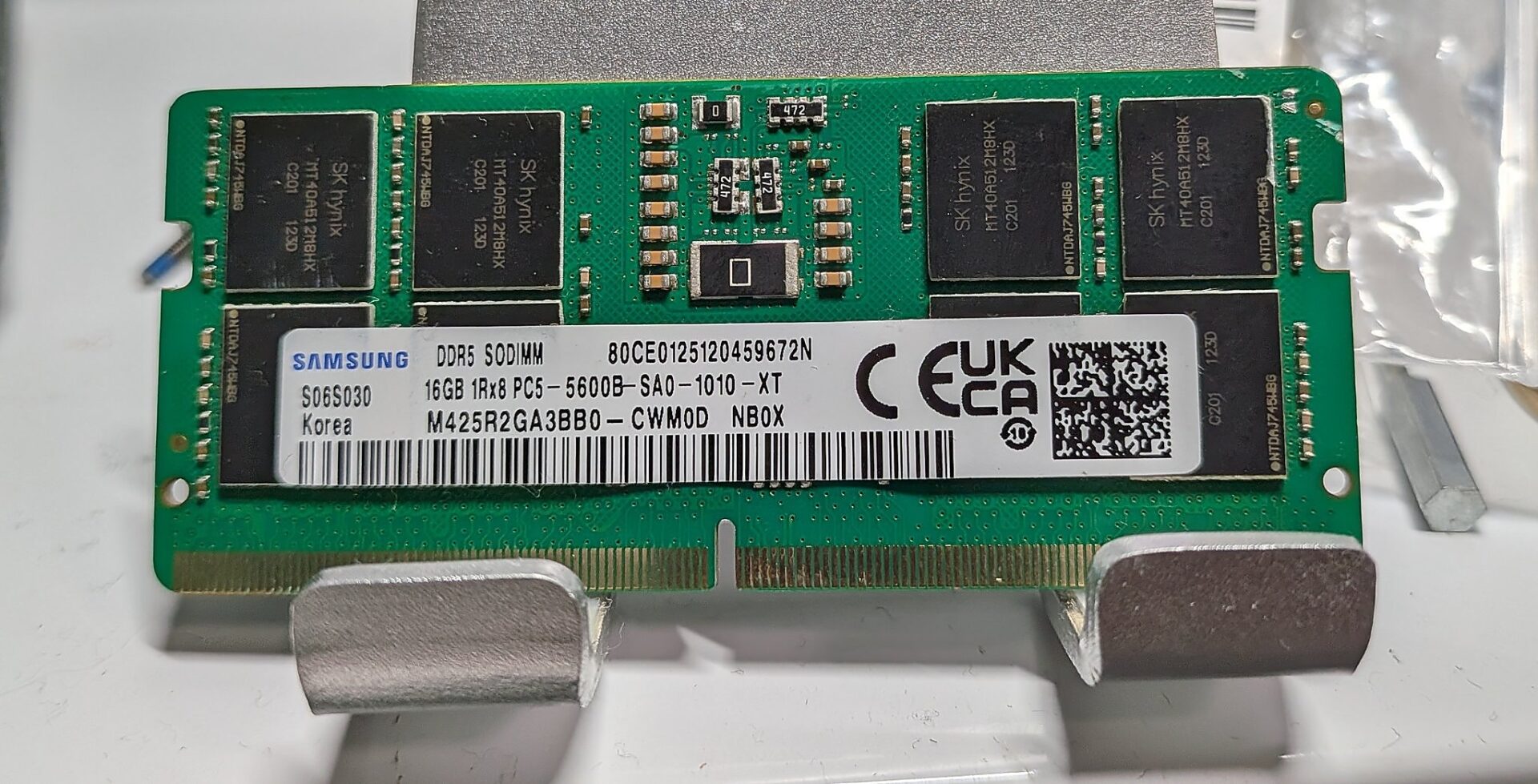
According to information from WCCFtech, many Asian markets have seen fake DDR5 RAM being sold in both physical stores and online channels, including cases where 16GB SO-DIMM sticks are labeled Samsung but the chips on the board are actually SK Hynix. The significant point is that this is not a simple labeling error. When users disassemble them for inspection, the "memory chips" on some models turn out to be just pieces of plastic or fake boards attached to deceive the eye.
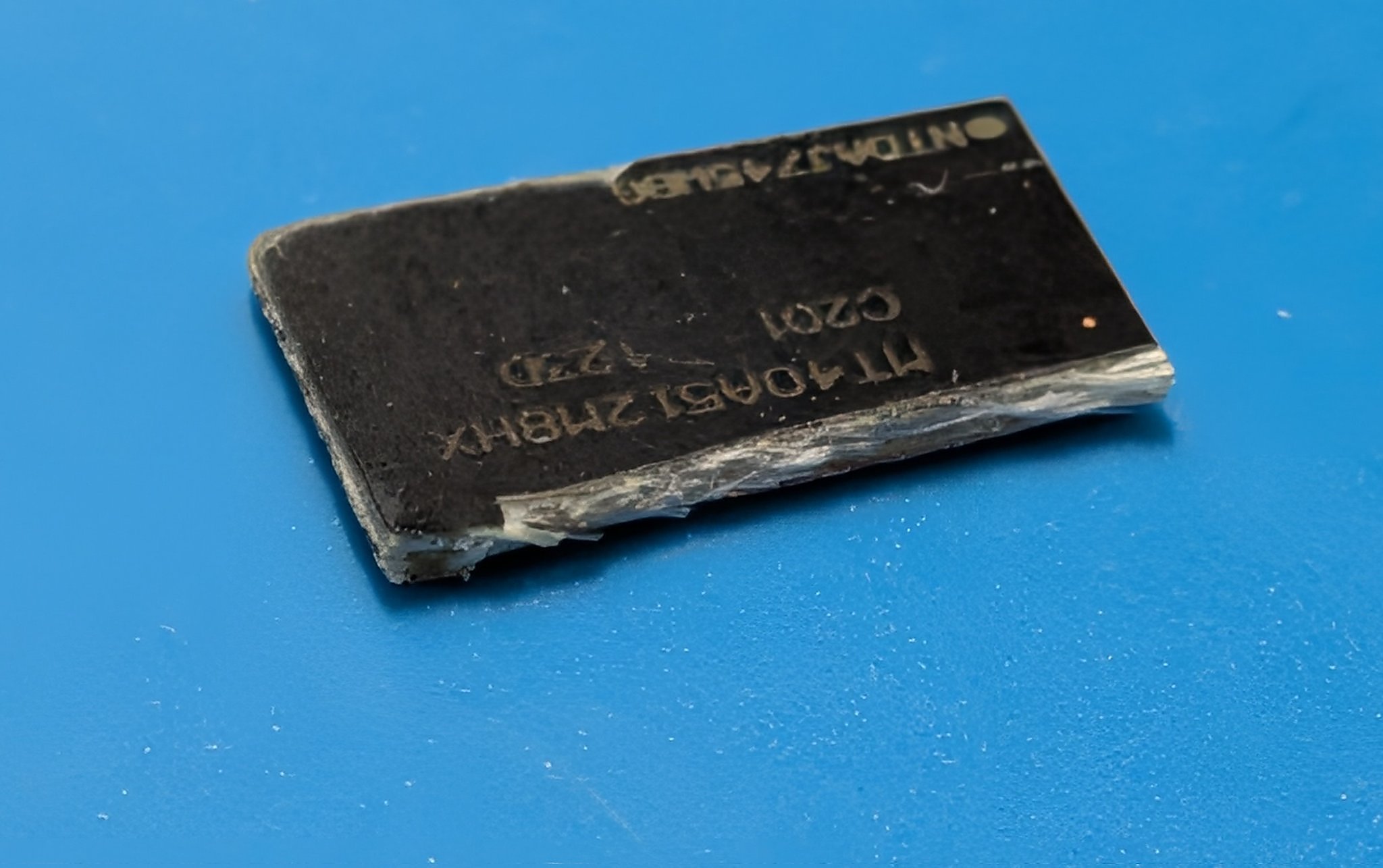
For average buyers, this type of product is dangerous because abnormal signs are not always obvious when just looking at sales photos. Desktop users have the chance to inspect the RAM stick directly before installation, but many desktop models use heatsinks that cover the memory chips, making them difficult to recognize. The worst-case scenario is plugging it into the machine only to find that the system fails to boot, displays incorrect capacity, or runs erratically, making it very difficult to diagnose the fault.
This story is even more noteworthy when memory prices are on an upward trend, making many people easily attracted to items cheaper than the market average. A difference of a few hundred thousand VND might look like a bargain, but with fake DDR5 RAM, that cheap price could come at the cost of losing money, wasting time on installation/removal, and even mistakenly thinking that your motherboard or laptop is broken.
What laptop and PC buyers should look for before spending money on DDR5 RAM
The first thing to remember is that fake DDR5 RAM does not necessarily look extremely sloppy. According to images circulating from these incidents, buyers should be vigilant if the label and chips are not from the same brand, if the edges of the circuit board are unusually rounded, if the contact pins have strange colors, or if the power circuit layout looks different from familiar products. If you are considering buying additional memory for a gaming laptop, this is a step you should take before thinking about clock speed or capacity.
The table below provides a quick summary of the most notable signs.
| Sign | What buyers should understand |
| Label from one brand, chip from another | High possibility that the RAM stick has been faked or assembled from inconsistent components |
| Memory chips are just pieces of plastic | The RAM stick may be completely non-functional even if the exterior looks like the real thing |
| Strange gold pins, board edges, or PCB colors | This is the group of physical signs mentioned most frequently by those who discovered the incidents |
| Sold as "untested," "unknown functionality," or "no returns" | Risk that the seller knows the issue but is shifting the risk to the buyer |
One noteworthy detail is that the detected sticks do not only appear in vague gray market channels. According to a Japanese auction site, some places clearly list them as junk, with unconfirmed functionality and no returns accepted. This shows that the risk does not lie with a single shop, but in buyers becoming subjective when seeing prices lower than the market during a period when component prices are rising simultaneously.
In short, fake DDR5 RAM is a reminder that when the market is tight and prices are rising, one should slow down when buying components. If you cannot inspect them directly, buyers should prioritize sellers with clear information, a good transaction history, and transparent return policies. Simply skipping a few basic verification steps can turn a supposedly cheap upgrade into a very expensive mistake.