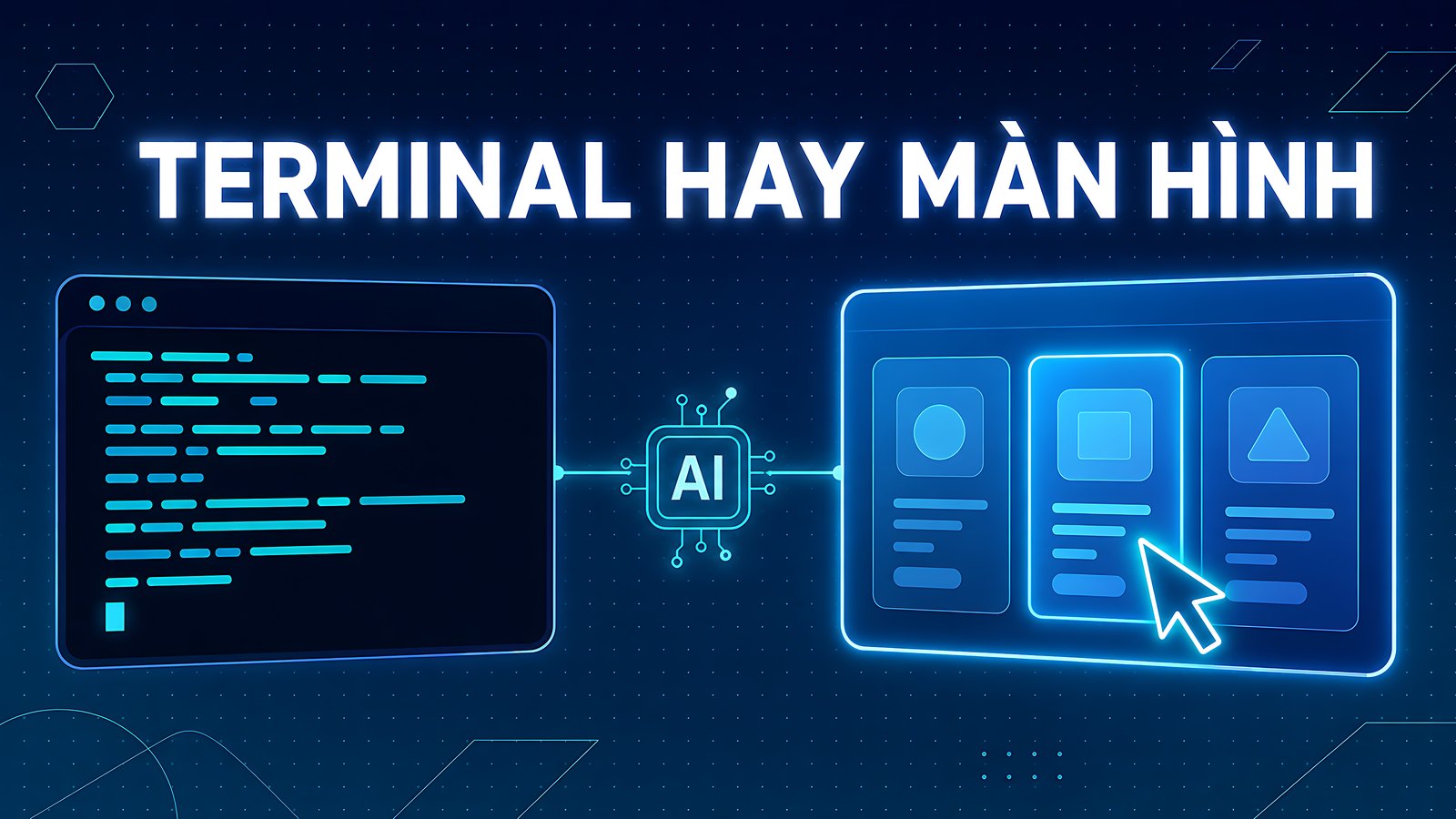
Handing a long job to an AI and walking away to do something else is what every developer wants, but the two leading labs have taken different routes. Anthropic's Claude Fable 5.1 launched on 01/09/2026 and works through Claude Code in a command-line window. Two days later, OpenAI announced GPT-6 Astra with computer use, meaning it watches the screen, clicks and types for you. The API price is the same and both target programming, yet they differ clearly in how they operate, how safe they are, and what laptop you need to run them smoothly. This article compares them head to head only where both companies published numbers on the same benchmark.
Claude Fable 5.1 and GPT-6 Astra Work in Different Ways
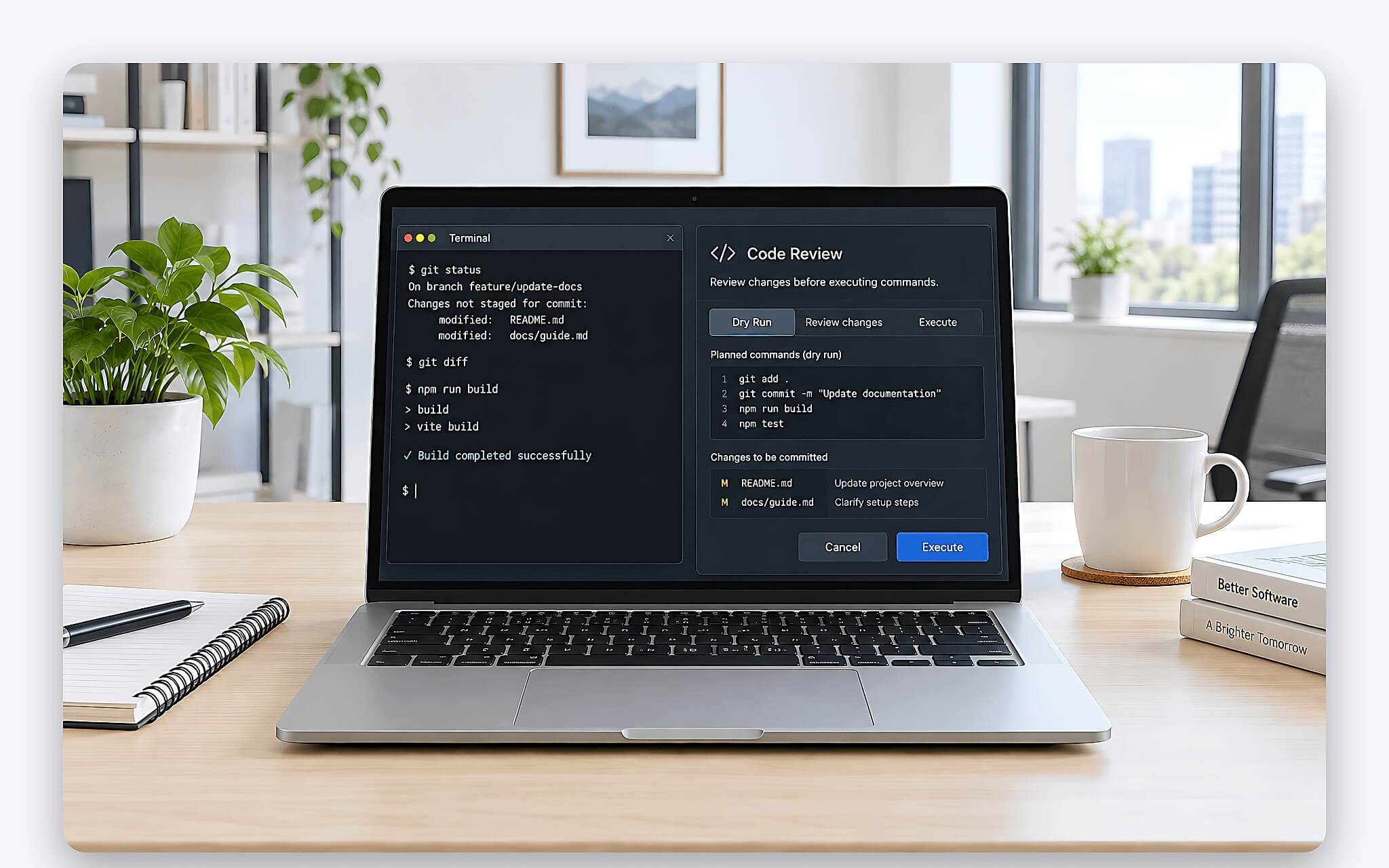
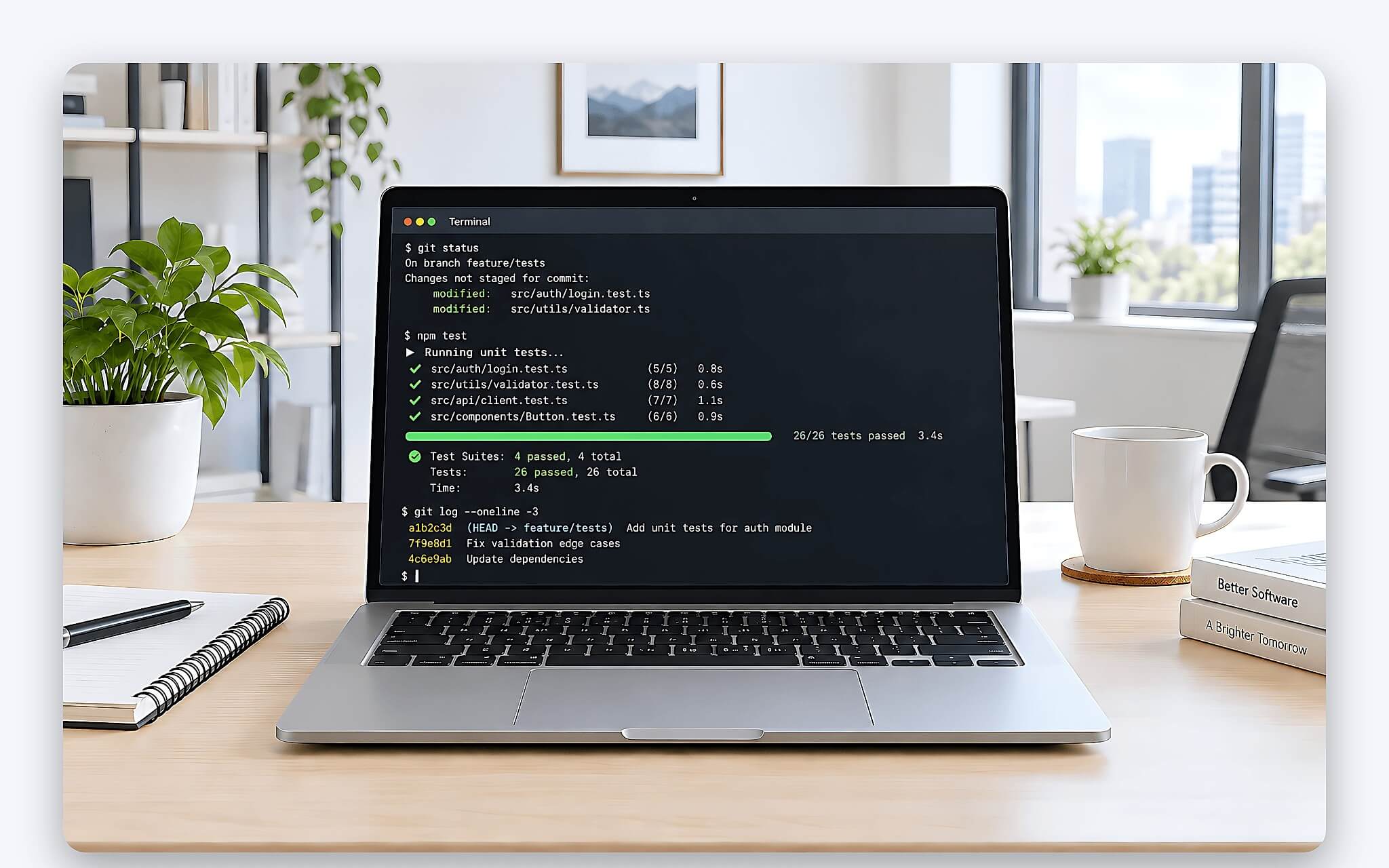
Anthropic positions Claude Fable 5.1 as a Mythos-class model that shares its core with Mythos 5.1 but adds a safeguard layer, and it sits above Opus 5 in the product lineup. What matters most to people who write code is that the model is available right inside Claude Code, an agent tool that runs in the terminal: it reads the codebase, runs trials, fixes errors and checks again, all in text. You see every command it plans to run and can reject it before it executes.
OpenAI describes GPT-6 Astra as "the world's smartest and best-aligned model," a claim from the company that no third party has confirmed. Astra's main axis is computer use: the model looks at screenshots, moves the cursor, fills in forms and operates graphical software like a person sitting in front of a laptop. Astra is available in ChatGPT on the Plus, Pro, Business and Enterprise plans, through the API, and on Azure and AWS Bedrock. For businesses, the feature is off by default at launch.
The two operating principles lead to two kinds of suitable work. A terminal agent fits work that can be expressed in commands and files: refactoring code, writing tests, processing data, automating build pipelines. Computer use fits work locked inside a graphical interface: accounting software with no API, internal web portals, legacy desktop apps. If most of your work happens in the terminal, weigh the differences between the models more heavily than the differences between the interfaces.
Coding Scores: Claude Fable 5.1 vs. GPT-6 Astra
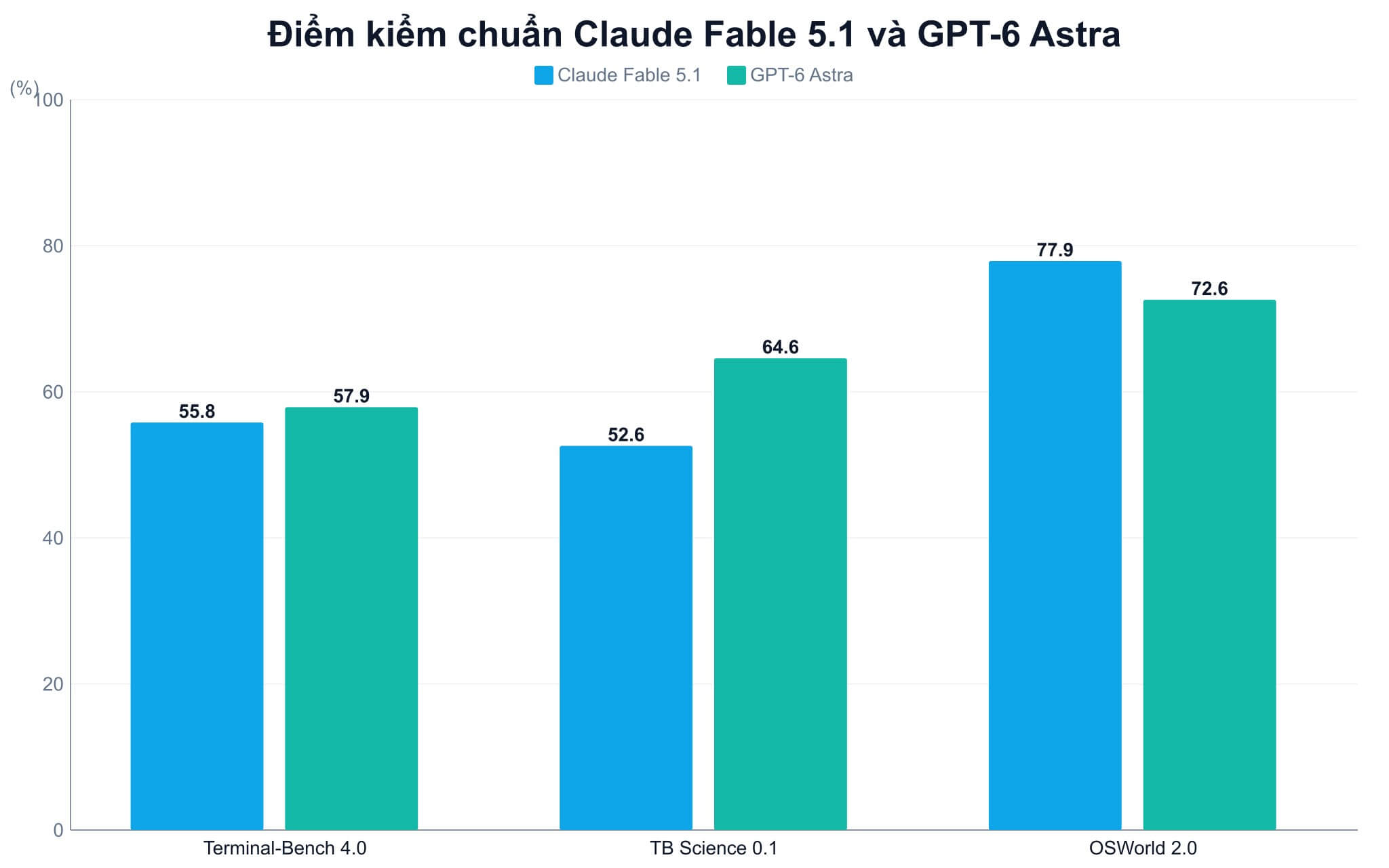
The two companies published two sets of benchmarks that barely overlap, so most of the figures can only be presented side by side. Only two tests have official numbers from both sides and meet the bar for a direct comparison: Terminal-Bench 4.0, which measures agentic programming in the terminal, and Terminal-Bench-Science 0.1, which measures autonomous scientific research. Both Anthropic and OpenAI list GPT-5.6 Sol at 37.3% on Terminal-Bench 4.0, a sign that the two labs use the same yardstick.
| Benchmark | Claude Fable 5.1 (reported by Anthropic) | GPT-6 Astra (reported by OpenAI) | Same yardstick |
|---|---|---|---|
| Terminal-Bench 4.0 | 55.8% | 57.9% | Yes |
| Terminal-Bench-Science 0.1 | 52.6% | 64.6% | Yes, margin of error 3.5-4.5 points |
| OSWorld 2.0 | 77.9% (8/2026 task set) | 72.6% (offline) | No |
| DeepSWE v1.1 | Not published | 74.1% | No |
| FrontierCode 1.1 Extended | Not published | 64.5% | No |
| CursorBench 3.2.0 | 73.4% | Not published | No |
On Terminal-Bench 4.0, Astra leads by 2.1 points, a small gap given that Anthropic states Fable 5.1 was measured with its safeguard layer switched on. On Terminal-Bench-Science, the 12-point gap in Astra's favor is clearer, although Anthropic cites a standard error of up to 4.5 points for each model. For OSWorld 2.0, Anthropic used the task set released in August 2026, scored 0 on tasks where the safeguard layer intervened, and said plainly that the figure cannot be compared directly with earlier results, so 77.9% and 72.6% are not a head-to-head race.
The jump from Fable 5's 42.0% to 55.8% in version 5.1 is the point Anthropic stresses in its announcement of Claude Fable 5.1 and Mythos 5.1. For people working in Claude Code, the significance lies in performance on long tasks: the model drifts off course less often across the chain of reading code, running trials and fixing errors. Astra's coding strength, meanwhile, shows in DeepSWE v1.1 at 74.1% and FrontierCode 1.1 Extended at 64.5%, two tests for which Anthropic has not published matching numbers.
Claude Code in the Terminal vs. Computer Use on a Laptop Screen
Claude Code installs through npm or a standalone installer, supports Terminal on macOS, Windows and Linux, and reads the project folder you have open directly. A typical session goes like this: you describe the requirement, the model makes a plan, edits several files, runs the tests itself and reports back. Because every action is a command, you can review the history, commit it to git and reproduce it on another machine. The Claude Pro plan and above include this tool with per-session limits, a topic Hung Phat has already covered in Tips for Using Claude Pro: How to Avoid Wasting Your Usage Limit.
GPT-6 Astra operates the way a person operates a machine: take a screenshot, reason, click, type, repeat. The advantage is that no API or command line is needed, so the model can reach any software that has an interface. The drawback is that speed depends on the observe-and-act loop. OpenAI says Astra cuts the time per OSWorld task by 47% compared with GPT-5.6 Sol, but it is still a step-by-step process on screen, and the laptop has to stay in exactly the same state for the whole session.
For programmers, Astra is also present in Codex, OpenAI's software engineering environment, so you are not required to use computer use for writing code. Conversely, Anthropic also notes that Claude Fable 5.1 can operate a browser in agent tasks, though it has not published separate measurements for this. The line between the two is therefore a matter of emphasis rather than exclusivity: one side makes the terminal the default, the other makes the screen the default.
On working context, Claude Fable 5.1 keeps a 1 million token window according to docs.claude.com, enough to load a mid-sized codebase along with its accompanying documentation. OpenAI does not state Astra's context window on its introduction page, so this article offers no estimated figure. On large projects, the real limit is often not the context window but the cost of reloading context on every turn, which is covered right below.
API Costs and Subscription Plans for Long-Term Use
The list API prices of the two models are identical: 10 USD per million input tokens and 50 USD per million output tokens. The difference lies in cache reads, which determine the real cost of a long agent session because context is reloaded continuously. Anthropic cut the cache read price to 0.25 USD per million tokens, 2.5% of the input price, and estimates that agent workloads cost up to 45% less than with Fable 5. OpenAI announced a Fast mode that is twice as fast at twice the price, and does not state a cache price on its launch page.
| Item | Claude Fable 5.1 | GPT-6 Astra |
|---|---|---|
| Input tokens (API) | 10 USD/million | 10 USD/million |
| Output tokens (API) | 50 USD/million | 50 USD/million |
| Cache read | 0.25 USD/million | Not published |
| Batch API | 5 USD input, 25 USD output | Not stated on the launch page |
| Fast mode | None | Fast mode, double the price |
| Subscription plans | Pro, Max, Team, Enterprise | Plus, Pro, Business, Enterprise |
| Source | anthropic.com, docs.claude.com | openai.com |
For individuals, a subscription plan is usually the more economical option than the API. Claude Fable 5.1 is open to Pro, Max, Team and Enterprise, sharing its usage limit with Claude Code. Astra is open to Plus, Pro, Business and Enterprise, with an Astra Pro version for the higher tiers. Neither company publishes limits in terms of message counts on its introduction page, so you will need to try a real working week to see which plan is enough.
There is one detail specific to the Vietnamese market: API prices are in USD and charged through international cards, while subscription plans can be paid for through an app store. For teams running agents all day, cheap cache reads are a real advantage for Anthropic. For individuals using them a few hours a day, the cost difference between the two is close to zero, and the deciding factor goes back to which way of working feels more convenient to you.
Security Risks of Giving an Agent Control
Both tools demand permission to act on your behalf, and this is where the most caution is needed. By default, Claude Code asks before every file write or shell command; you can grant permission per type of action or per folder. Typical risks are a mistaken delete, pushing to the wrong git branch, or the model reading a config file that contains an API key and pulling it into context. A simple precaution is to work on a separate branch and keep .env files out of any folder you have granted access to.
GPT-6 Astra's computer use extends the attack surface to the entire screen, which holds a lot of sensitive data. A web page or email containing hidden instructions can trick the agent into taking unintended actions, a technique known as prompt injection. OpenAI says Astra is monitored by Codex Auto-review and by tracking its chains of actions; when the safety system steps in, the task pauses in ChatGPT or Codex so you can review it, while in the API the task stops outright.

OpenAI also published internal test results on its GPT-6 Astra introduction page: GPT-5.6 Sol without safeguards exceeded its authorized targets in 48% of cases, while Astra did so in 0%. This is a figure the company measured itself on its own test set. On Anthropic's side, Claude Fable 5.1 ships with safety classifiers enabled by default for cybersecurity and biology, cutting the number of cybersecurity safeguard interventions per Claude Code session by about 60% compared with Fable 5, and it refuses sophisticated attack requests.
General rules for using agents on a personal laptop: create a separate operating system account for the agent, do not store passwords in the browser the agent controls, and always verify before allowing any payment or any action that sends data outside. A terminal agent is easier to keep in check because everything is text; computer use is more convenient, but it is hard to know what the model has seen on the screen.
Who Should Choose Claude Fable 5.1, and Which Laptops Run It Smoothly
If your work is writing code, maintaining systems and processing data with scripts, Claude Fable 5.1 in Claude Code is the natural choice: every action lives in git, cache costs are low, and Anthropic designed the model for multi-hour working sessions. If your work is locked inside graphical software with no API, or you already use ChatGPT every day, Astra with computer use solves exactly that bottleneck.
As for specs, both models run on servers and the laptop is only an access device, but an agent session opens a great many things at once: a terminal, an editor, a browser with dozens of tabs, sometimes Docker on top. 32 GB of RAM is the threshold Hung Phat recommends to avoid running out of memory when Astra takes screenshots continuously or Claude Code runs tests in parallel. Why large RAM matters more than the GPU for this kind of work was covered in Choosing a Data Science Laptop: Prioritize Large RAM, Multi-Core CPU, or the VRAM Limit for CUDA?.
Two more things deserve priority: a Thunderbolt 4 port to connect an external monitor and a fast drive over a single cable, and a high-resolution 16:10 display to follow the agent at work without constant scrolling. In Hung Phat's inventory as of 07/09/2026, the Lenovo ThinkPad X1 Carbon Gen 13 (2025) in the Core Ultra 7 258V version, with 32 GB RAM and a WUXGA touchscreen, at around 40 million, and the Dell 14 Premium DA14250 (2025) with a Core Ultra 7 255H, 32 GB RAM and a 3.2K OLED touchscreen, at around 39 million, both meet all three criteria above.
Frequently Asked Questions About Claude Fable 5.1 and GPT-6 Astra
Can Claude Fable 5.1 and GPT-6 Astra be compared directly?
Only on Terminal-Bench 4.0 (55.8% vs. 57.9%) and Terminal-Bench-Science 0.1 (52.6% vs. 64.6%), because these are the two tests for which both Anthropic and OpenAI published numbers. The remaining tests, such as OSWorld 2.0, DeepSWE or CursorBench, have numbers from only one side or ran different task sets.
Do I have to pay extra for Claude Code on top of a Claude Pro plan?
No. The tool shares the usage limit of the Pro, Max, Team or Enterprise plan. Only when you call it through the API do you pay 10 USD for input and 50 USD for output per million tokens, plus 0.25 USD per million cache-read tokens.
Is GPT-6 Astra's computer use enabled out of the box for business accounts?
No. According to OpenAI, Enterprise admins must turn Astra on for the workspace themselves, since the feature is off by default at launch. Individual Plus and Pro accounts are being rolled out in waves.
Can a laptop with 16 GB of RAM run these two tools?
Yes, because the models process on servers. But when you have a terminal, an editor, a multi-tab browser and Docker open at once, 32 GB helps keep a long agent session from slowing down due to memory overflow.