
Both Intel Core Ultra 7 258V and AMD Ryzen AI 7 350 are next-generation AI laptop chips that meet Copilot+ PC standards, but their internal architectures differ more than their appearance suggests. Despite having 8 physical cores, the 258V only features 8 threads due to the removal of Hyperthreading, whereas the Ryzen AI 7 350 has 16 threads thanks to SMT, resulting in a nearly 32% difference in multi-threaded CPUMark. Intel compensates with the more powerful iGPU Arc Graphics 140V compared to the Radeon 860M, and a 17W TDP that significantly extends battery life.
What are the differences between Core Ultra 7 258V and Ryzen AI 7 350?
These two AI laptop chips both feature 8 physical cores but are built on entirely different design philosophies: Intel chose the 3 nm Lunar Lake architecture and removed Hyperthreading to optimize power efficiency, while AMD chose the 4 nm Krackan Point architecture and retained SMT with 16 threads to boost multi-tasking performance. Specifications verified from cpubenchmark.net and NotebookCheck:
| Specifications | Intel Core Ultra 7 258V | AMD Ryzen AI 7 350 |
|---|---|---|
| Architecture | Lunar Lake (3 nm) | Krackan Point, Zen 5 + Zen 5c (4 nm) |
| Cores / Threads | 8 / 8 | 8 / 16 |
| Max Boost Clock | 4.8 GHz | 5.0 GHz |
| Default TDP | 17W (burst 37W) | 28W (15-54W OEM) |
| NPU TOPS | 47 TOPS | 50 TOPS |
| Integrated iGPU | Intel Arc Graphics 140V (8 Xe2-core) | AMD Radeon 860M |
| CPUMark Multi / Single Thread | 18,938 / 4,032 | 24,932 / 3,836 |
| Cinebench R23 MT / ST | ~10,184 / ~1,860 | ~14,607 / ~1,943 |
| Copilot+ PC | Yes | Yes |
The Core Ultra 7 258V belongs to the Lunar Lake platform, combining 4 P-cores and 4 E-cores on a 3 nm process but completely removing Hyperthreading to optimize performance per watt. The AMD Ryzen AI 7 350 uses the Krackan Point architecture, consisting of 4 high-performance Zen 5 cores and 4 power-efficient Zen 5c cores on a 4 nm process, retaining SMT so each core can run two threads. The result: despite having the same number of cores, AMD has twice the threads compared to Intel, providing a direct advantage for heavy multi-threaded tasks.
Regarding clock speeds and TDP, these two AI laptop chips also take different paths. The Core Ultra 7 258V operates from 2.2 GHz to 4.8 GHz at a default TDP of 17W, allowing for bursts up to 37W when short-term heavy loads are required, which is a major advantage for ultra-thin laptop designs with large batteries. The Ryzen AI 7 350 clocks from 2.0 GHz up to 5.0 GHz with a more flexible TDP: manufacturers can configure it from 15W to 54W, typically defaulting at 28W. This allows AMD to appear in a wider range of devices, from ultra-thin laptops to high-performance mid-sized laptops.
Comparing CPU, GPU, NPU AI performance and real-world battery life
In the new AI laptop chip group, looking at multi-threaded benchmarks, the Ryzen AI 7 350 leads quite clearly. On PassMark, the AMD chip achieves a 24,932 multi-threaded CPUMark score compared to 18,938 for the Core Ultra 7 258V, a difference of about 32%. Cinebench R23 multi-threaded results follow the same trend: the 258V reaches approximately 10,184 points, while the Ryzen AI 7 350 reaches approximately 14,607 points, according to NotebookCheck data measured on an ASUS Lingyao 16 Air running at 28W TDP.
In single-threaded performance, the 258V fights back. Intel's single-threaded PassMark score reaches 4,032 points, higher than the Ryzen AI 7 350's 3,836 points, a difference of about 5%. Cinebench R23 single-threaded results are slightly different: the Ryzen AI 7 350 achieves 1,943 points, slightly edging out the 258V's 1,860 points, a negligible gap. The single-threaded difference between these two 2026 AI laptop chips is so small that typical office users will find it difficult to distinguish in practice.
The iGPU is where the 258V holds a clear advantage in the thin-and-light AI laptop segment. The Arc Graphics 140V, part of the Xe2 family with 8 Xe-cores, performs better than the Radeon 860M in light 1080p games, 4K AV1 hardware decoding, and Premiere file exports using GPU encoding. Regarding battery life, Lunar Lake laptops (17W TDP) with 55-75Wh batteries typically last 11-15 hours for real-world office and web use. Ryzen AI 7 350 laptops at 28W TDP typically achieve 9-12 hours under similar conditions, depending heavily on the screen and cooling of each specific model.
Should you choose Core Ultra 7 258V or Ryzen AI 7 350 when buying in 2026?
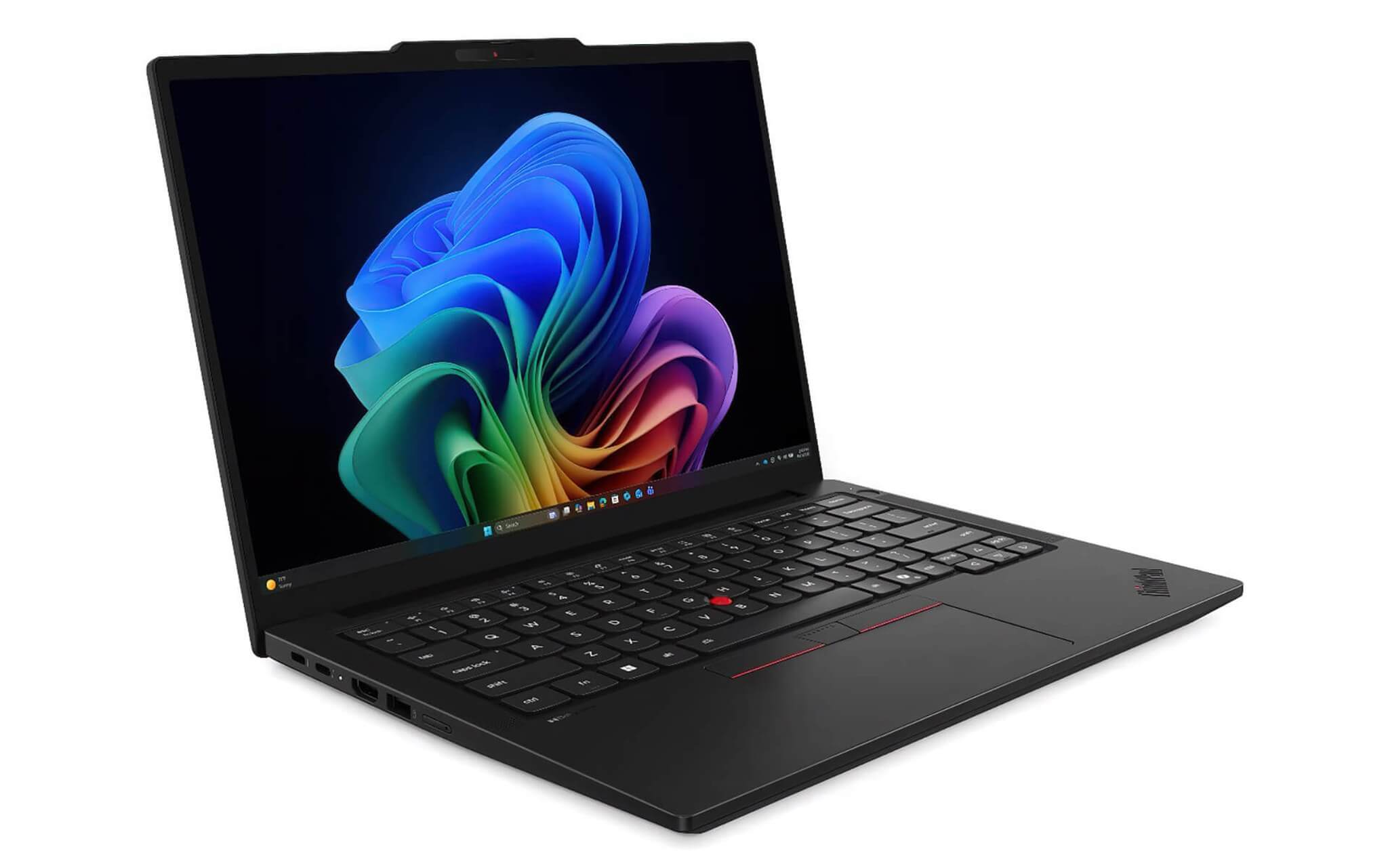
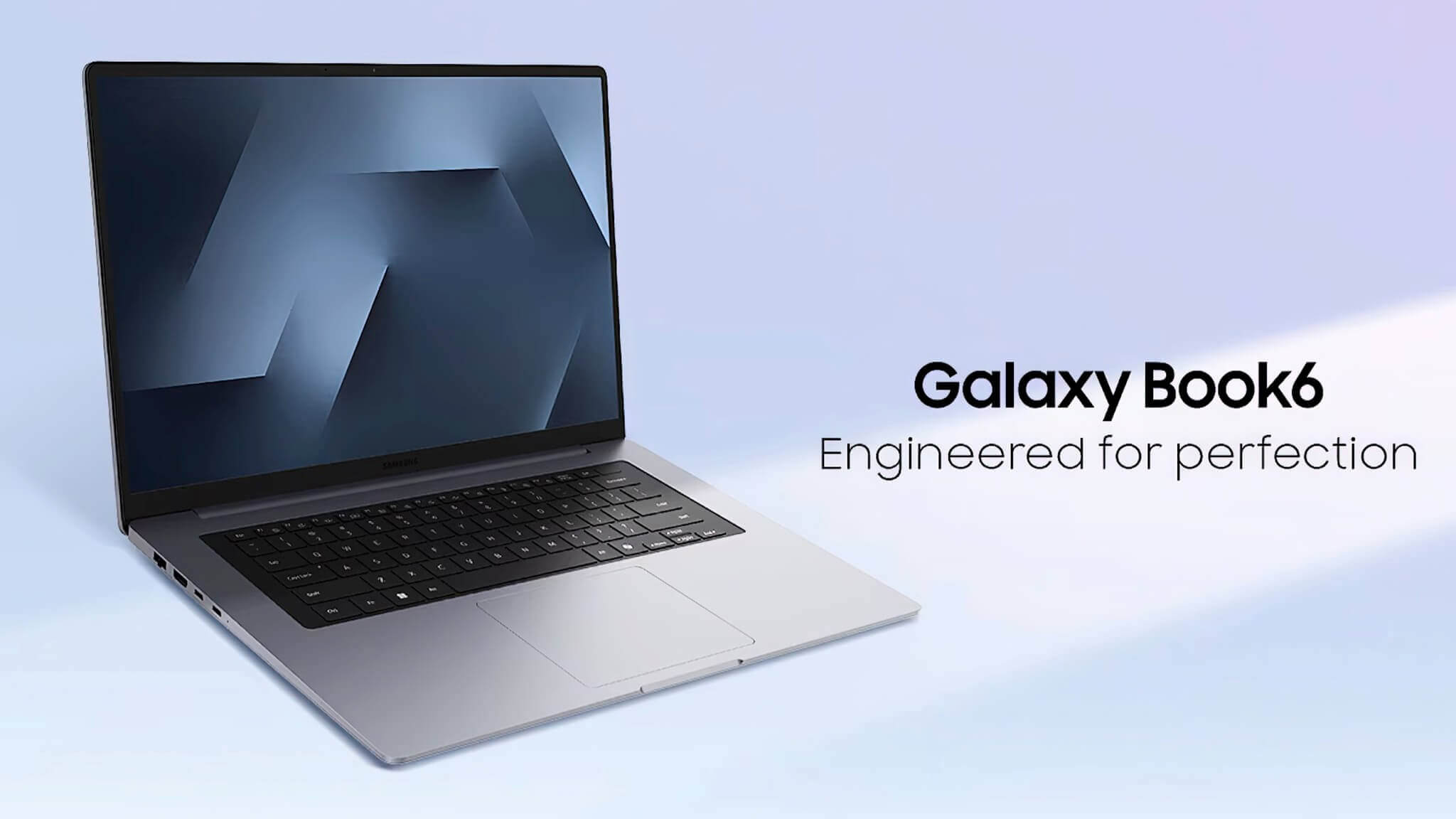
If you frequently work on the go and prioritize long battery life and a cool, quiet machine, the Core Ultra 7 258V is more suitable. The 17W TDP allows for ultra-thin designs with large batteries, and the Arc Graphics 140V handles light design, photo editing, and Copilot+ AI features well. Typical laptops include the Lenovo ThinkPad X1 Carbon Gen 13 Aura Edition, Yoga Slim 7i Aura Edition, and the Dell XPS 13 9350 Lunar Lake version. Check out the Samsung Galaxy Book6 16 inch 2026 and ThinkPad T14 Gen 7 2026 in the new Intel Core Ultra lineup currently available at Hung Phat.
If your workflow is heavy on multi-threading, such as video rendering, Premiere exports, running virtual machines, or requiring continuous high loads, the Ryzen AI 7 350 is better suited for the performance-oriented AI laptop group. The 32% difference in multi-threaded CPUMark and nearly 4,400 points in Cinebench R23 are real-world figures. The 16-thread SMT helps the AMD chip distribute loads evenly when many applications are running in parallel, whereas the 258V with 8 threads will reach saturation sooner during prolonged heavy workloads.
For general office, study, or entertainment users, both of these 2026 AI laptop chips are more than capable of meeting all daily tasks. The deciding factor is: do you need a battery that lasts over 12 hours, or do you need multi-threaded power for rendering and heavy multitasking? For more, see our comparison of HP Envy 17-DA0047R vs Dell Inspiron 14 Plus 7440 to see how to choose a laptop based on actual needs when using the same chips.
Frequently Asked Questions (FAQ)
Running Adobe Premiere or DaVinci Resolve, which chip processes faster?
For pure CPU multi-threaded export tasks, the Ryzen AI 7 350 is significantly faster, with a difference of about 30-35% compared to the Core Ultra 7 258V on the same 1080p project. However, if the workflow relies heavily on GPU encoding, the 258V's Arc Graphics 140V significantly narrows the gap during the export step. For pure CPU rendering, Ryzen leads clearly; for combined GPU-assisted rendering, it is more balanced depending on the specific step of the workflow.
How are the battery life and temperature for daily use with these two AI laptop chips?
A Core Ultra 7 258V laptop (17W TDP) with a 60Wh+ battery typically lasts 11-15 hours for office and web tasks. A Ryzen AI 7 350 laptop at 28W TDP typically achieves 9-12 hours under similar conditions. Regarding heat, the 258V generates less heat during light to medium loads due to its lower TDP. The Ryzen at 28W runs slightly warmer but is not a concern on well-cooled machines. The real-world battery gap is about 2-3 hours, depending heavily on screen brightness.
What AI features can 47 TOPS and 50 TOPS NPU actually use?
Both AI laptop chips exceed the 40 TOPS threshold, so they fully support Copilot+ PC features on Windows 11: Live Captions for real-time translation, Recall for AI-powered screen history search, and AI features in the Photos and Paint apps. The 3 TOPS difference between the two chips does not create a noticeable difference in daily use in 2026. As software exploits the NPU more deeply in future Windows updates, the 50 TOPS advantage of Ryzen may become more significant.
Which laptops are using these two chips and what are the reference prices in Ho Chi Minh City?
The Core Ultra 7 258V is featured in the Lenovo ThinkPad X1 Carbon Gen 13 Aura Edition, Yoga Slim 7i Aura Edition, Dell XPS 13 9350, and Samsung Galaxy Book6. The Ryzen AI 7 350 is available in 2025-2026 ASUS, HP, and Lenovo models. Prices range from 25 to 55 million VND depending on screen configuration, RAM, and brand; contact Hung Phat for consultation on the model that fits your needs and budget.