
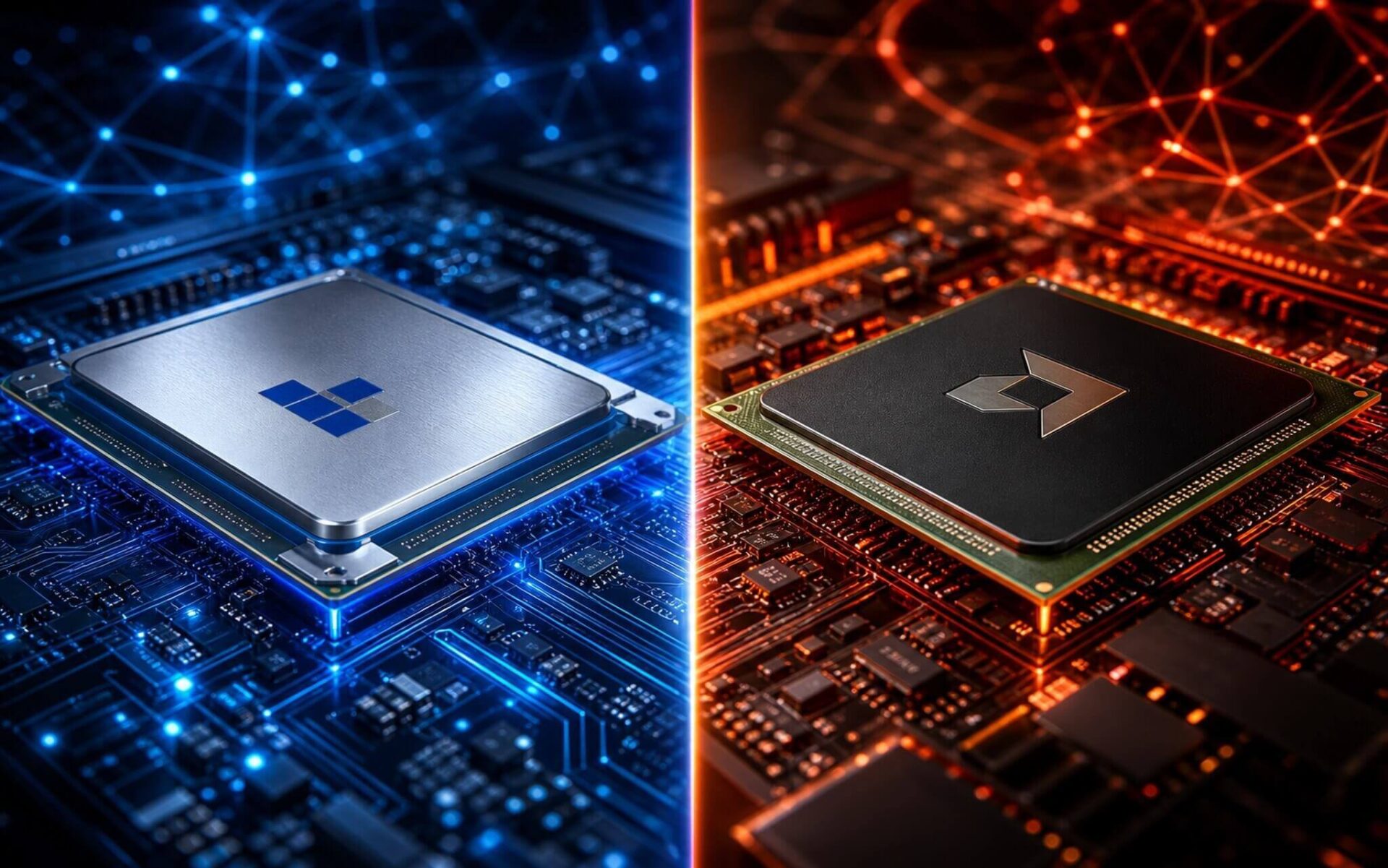
The Intel Core Ultra 9 285HX and AMD Ryzen AI 9 HX 375 both target the high-performance laptop market in 2026, yet they reflect completely different design philosophies. The 285HX pushes multi-core processing to 24 cores with a TDP of up to 160W, whereas the HX 375 prioritizes a substantially more capable NPU and noticeably better power efficiency. A lesser-known detail: the Intel Core Ultra 9 285HX does not feature Hyper-Threading, meaning its thread count matches its core count exactly, even with 24 physical cores. Below is a detailed breakdown to help you choose the right machine for your actual workflow.
Core Ultra 9 285HX vs. Ryzen AI 9 HX 375: Specs and Benchmarks
The Intel Core Ultra 9 285HX is based on the Arrow Lake-HX architecture, built on a 3 nm process, and features 24 cores (8P + 16E) and 24 threads without Hyper-Threading. It reaches a boost clock of 5,500 MHz, with a base TDP of 55W that can ramp up to 160W when under load. This chip is engineered for mobile workstations and high-end gaming rigs that demand heavy multitasking, continuous rendering, and frequent exports. Meanwhile, the AMD Ryzen AI 9 HX 375 uses the Strix Point architecture on a 4 nm process, packing 12 cores and 24 threads (4 Zen 5 cores and 8 Zen 5c cores), a 5,100 MHz boost clock, and a flexible TDP ranging from 15W to 54W. Its target segment is high-performance thin and light laptops that require long battery life and robust AI capabilities.
| Specification | Intel Core Ultra 9 285HX | AMD Ryzen AI 9 HX 375 |
|---|---|---|
| Architecture | Arrow Lake-HX | Strix Point (Zen 5) |
| Cores / Threads | 24 / 24 (no HT) | 12 / 24 |
| Boost clock | 5,500 MHz | 5,100 MHz |
| TDP (base / turbo) | 55W / 160W | 28W default (15-54W) |
| NPU TOPS | 13 TOPS | 55 TOPS (XDNA 2) |
| iGPU | Intel Arc Graphics 4-Core | Radeon 890M (RDNA 3.5) |
| Estimated battery life | 3-5 hours (heavy workloads) | 8-12 hours (real-world use) |
The most pronounced difference lies in the NPU: the HX 375 packs an XDNA 2 NPU rated at 55 TOPS, far outpacing the 13 TOPS found on the 285HX. That figure directly dictates whether a system can handle Copilot+ features and local on-device AI tasks. The 285HX relies on a basic integrated Intel Arc Graphics 4-Core unit, whereas the HX 375 is equipped with an RDNA 3.5-based Radeon 890M featuring 16 graphics compute units, delivering substantially higher integrated graphics performance.
In multi-core benchmark suites, the 24-core 285HX posts standout scores for a laptop platform, highlighting its clear advantage in 3D rendering and compiling massive codebases. The HX 375, with its 12 cores and 24 threads, reaches around 15,000 points in Geekbench multi-core; it keeps pace in single-core workloads thanks to its 5,100 MHz boost clock, but lags noticeably in sustained multi-threaded jobs because it has fewer physical cores. This is the core distinction between the two architectures: raw compute muscle on the 285HX versus balanced efficiency and AI processing on the HX 375. A head-to-head comparison table across key metrics, along with workflow-specific recommendations, can be found in ReviewLaptop's article Intel Core Ultra 9 285HX vs. AMD Ryzen AI 9 HX 375: Which Chip Fits Your Needs?.
Multitasking, AI Performance, and Everyday Battery Life
For productivity and multitasking, the Intel Core Ultra 9 285HX easily handles workloads like running 30 Chrome tabs alongside Premiere and After Effects simultaneously. Its 24-core configuration shines brightest during 4K video rendering, exporting massive PSD files, or running multiple virtual machines. The real drawback: laptops built around this silicon typically weigh 2 kg or more and generate significant heat when pushing up to 160W TDP. If your routine consists solely of video calls, office documents, and media playback, 24 cores is far more than you need.

When it comes to AI capabilities, the HX 375 holds a decisive advantage with its 55 TOPS NPU, comfortably meeting the hardware requirements for Windows 11 Copilot+ and on-device AI tasks such as real-time background blur, offline live translation, and local image generation. The 285HX, at 13 TOPS, falls short of the Copilot+ threshold (which requires at least 40 TOPS), leaving its AI features much more dependent on cloud services. If your workflow relies on offline AI processing or strict data privacy, this distinction is an important factor to consider.
For light gaming, the Radeon 890M iGPU in the HX 375 substantially outperforms the Intel Arc Graphics 4-Core inside the 285HX. Casual titles like Valorant or League of Legends can run at 60+ FPS at 1080p on the HX 375's integrated graphics. That said, the 285HX typically ships in laptops equipped with discrete graphics, so an iGPU comparison does not fully reflect the actual gaming experience of these systems. Battery life is where the 285HX clearly falls behind: a 160W TDP under full load drains the battery rapidly, yielding only 3 to 5 hours in moderate use. By comparison, the HX 375, capped at a maximum TDP of 54W, maintains 8 to 12 hours of real-world battery life depending on the system's specs.
Which Chip Is Right for You?
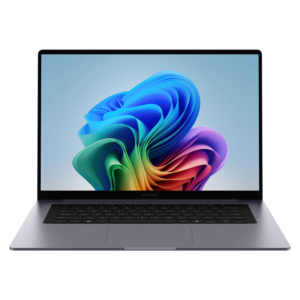
If you need a thin and light laptop with strong AI capabilities and all-day battery life for mobile work, the Samsung Galaxy Book6 16-inch 2026 thin and light long battery life is well worth considering. Powered by an Intel Core Ultra 7 Series 3 processor, it aligns more closely with the HX 375 in design philosophy: prioritizing performance-per-watt and a solid AI experience. Its 16-inch display is well-suited for full workdays, complemented by a sturdy hinge and a comfortable keyboard. Contact Hung Phat Laptop for the latest pricing as of June 2026.

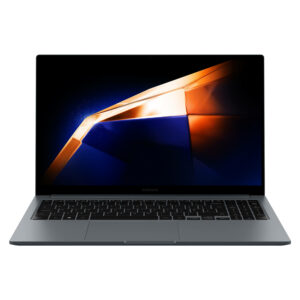
For those who need serious power for content creation or a mobile workstation, the Samsung Galaxy Book4 Ultra 2024 Core Ultra 7 AMOLED display is currently available at Hung Phat Laptop as a genuine product with full warranty coverage. It features a 16-inch Dynamic AMOLED panel and strikes a solid balance between performance and portability. It serves as a sensible option if you want premium Samsung performance at a more accessible price point than newly launched generations. Hung Phat Laptop has stock in TP.HCM; reach out directly for current pricing and availability.
In summary: if your workflow involves continuous video rendering, large code compilations, or heavily multi-threaded applications, the 285HX inside a mobile workstation paired with discrete graphics is the way to go. On the other hand, if you travel often, need on-device AI, require all-day battery life, and prefer a lighter machine, the HX 375 and its 55 TOPS NPU will serve you better. You should also check out the 2026 business laptop list for mobile professionals to compare additional models that fit your budget.
Frequently Asked Questions (FAQ)
When is the 285HX faster than the HX 375, and when is the reverse true?
The 285HX pulls far ahead in heavily multi-threaded workloads like Blender rendering, 4K video exports, and running multiple virtual machines simultaneously, courtesy of its 24 physical cores. In single-core tasks or lighter day-to-day operations, however, the gap narrows considerably since the HX 375 also reaches a boost clock of 5,100 MHz. The HX 375 wins in integrated graphics performance (Radeon 890M vs. Intel Arc 4-Core), AI processing (55 TOPS vs. 13 TOPS), and performance-per-watt, making it ideal for all-day use in thin and light machines without discrete graphics.
How do battery life and thermals compare between the two chips in everyday use?
Under full load, the 285HX can consume up to 160W, generating substantial heat and requiring a bulky cooling system, which is why laptops equipped with this chip typically weigh 2 kg or more. Real-world battery life sits at only 3 to 5 hours during work sessions, well below thin and light standards. The HX 375, with its 15W to 54W TDP, runs noticeably cooler and yields 8 to 12 hours of battery life depending on the model, making it a great fit for users working away from a wall outlet.
What can the 55 TOPS NPU on the HX 375 actually be used for in everyday work?
A 55 TOPS NPU meets the minimum hardware threshold for Copilot+ on Windows 11 (which requires at least 40 TOPS). In practice, this enables Recall, offline Live Captions translation, on-device video call background blurring, and local AI image generation. The 285HX, with just 13 TOPS, falls short of this requirement, meaning those AI features rely on cloud servers and an active internet connection. For professionals working in high-security environments or traveling with spotty network access, a capable local NPU offers a tangible advantage.
How much do laptops with these two chips cost, and where can you find them in TP.HCM?
Laptops equipped with the 285HX are typically high-end gaming rigs or mobile workstations featuring discrete graphics and substantial battery packs, with prices usually starting at 40 million VND or higher depending on the GPU and RAM configuration. HX 375 laptops inhabit the high-performance thin and light category, generally priced between 25 and 35 million VND depending on the brand. At Hung Phat Laptop in TP.HCM, you can explore the genuine Samsung Galaxy Book4 Ultra with full warranty coverage or contact the store directly for inventory updates and current pricing as of June 2026; Hung Phat Laptop will help advise you on the right specs for your specific budget.
- Samsung Galaxy Book6 16-inch (2026)ViewAwaiting stock
- Samsung Galaxy Book4 Ultra (2024) Out of stockView